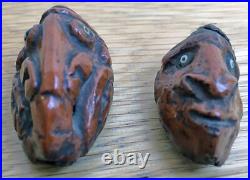
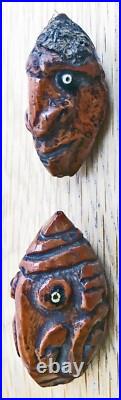
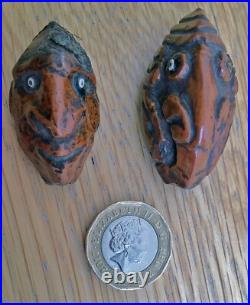
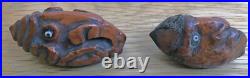
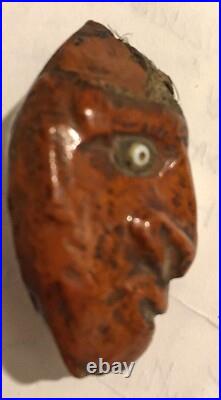
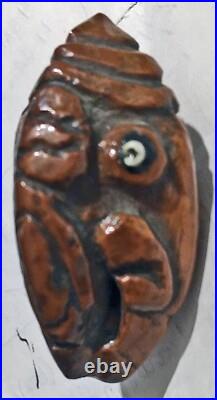
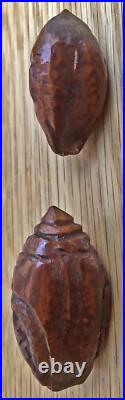
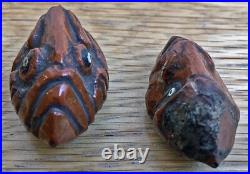
2 very RARE Coquilla Nut HEADS, well carved with EYES. Typical French Look of Clowns from 19th century. Approx size: Large – 48 mm, Small – 40 mm. Very attractive PATINA from years of aging. Please pay within 3 days unless you notify me or your order may be cancelled for wasting time. NB: We strive to keep our customers happy. If relevant, do read. Zodiac Guide to Successful Relationships & Careers.
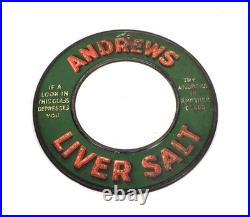
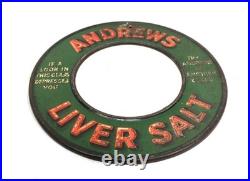
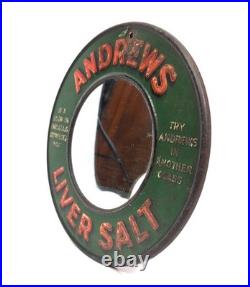
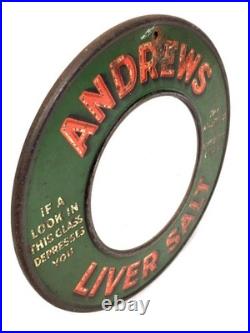
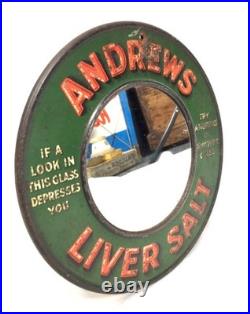
Antique Advertising – Rare Andrews Liver Salt Tin Metal Mirror Sign c. Early to mid 20th century. A great collectors item, this advertising mirror for Andrews Liver Salt combines playful humour and advertising. Found in chemists, pharmacies, local stores and even pub toilets, this mirror would have been displayed throughout the early to mid 20th century to advertise and promote sales for Andrews Liver Salt (also known as health salt). This was a popular over the counter powder remedy which would be dissolved in a glass of water and drank to relieve indigestion, upset stomach and hangovers. The mirror is in a deep green colour and features the words “Andrews Liver Salt” in a contrasting red colour. The left side reads “If a look in this glass depresses you” and the right says “Try Andrews in another glass” – a playful marketing wording to encourage sales. Andrew Liver Salts became one of Britain’s most trusted household remedies. Made from metal, this mirror can easily be wall hung or placed in a cabinet with other advertising pieces. A great way to add unique decor your interior, with it looking particularly good in a bathroom, man cave or retro style chemist. Condition: In typical antique order with some wear consistent of age. No damage to there mirror glass.
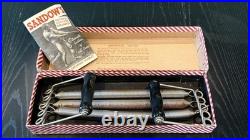
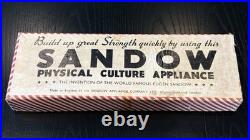
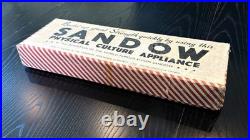
ANTIQUE SANDOW PHYSICAL CULTURE APPLIANCE – ORIGINAL BOX & BOOKLET A wonderful surviving example of the famous Sandow Physical Culture Appliance, an early spring-resistance strength and bodybuilding exerciser associated with legendary strongman and physical-culture pioneer Eugen Sandow. Made in England by The Sandow Appliance Company Ltd, this fascinating piece of early fitness history predates the modern home gym by many decades. The appliance uses a series of substantial steel springs mounted between two handles, allowing a variety of resistance exercises to be performed. The original packaging proudly describes it as: “The invention of the world famous Eugen Sandow” and: “Build up great Strength quickly by using this SANDOW Physical Culture Appliance” ORIGINAL PRESENTATION Particularly desirable is the survival of the original red-and-white striped Sandow presentation box, complete with its large original printed label. Also included is the original illustrated Sandow’s Physical Culture Appliances / Strength Builder booklet featuring a period image of a muscular athlete using the exerciser. The inside of the box retains its original Important Notice / instruction panel from The Sandow Appliance Company. Together these make this a much more attractive collector’s piece than a loose vintage chest expander. CONDITION A genuine vintage example showing age and previous storage. The metal springs remain impressively bright overall, although there is some age-related tarnishing/discolouration visible. The black handles show surface marks and wear consistent with age. The original cardboard box has survived remarkably well but naturally displays storage wear, marks, staining, creasing, edge/corner wear and general ageing, all clearly visible in the photographs. The original booklet also shows age-related wear. No guarantee is made regarding the safety or strength of the original springs for present-day exercise. Please study all photographs carefully as these form an important part of the description. Everything shown in the photographs is included. A superb piece of British physical-culture, bodybuilding and fitness history, with particularly strong display appeal thanks to its original period packaging. Ideal for a collector of Eugen Sandow memorabilia, antique sporting equipment, bodybuilding history, physical-culture memorabilia or vintage gym equipment. SEARCH KEYWORDS: Eugen Sandow, Sandow Physical Culture Appliance, Sandow chest expander, antique chest expander, vintage chest expander, Sandow exerciser, strongman memorabilia, bodybuilding memorabilia, antique gym equipment, vintage gym equipment, physical culture, strength training, spring exerciser, Sandow Appliance Company, vintage fitness, antique fitness, British sporting memorabilia, strength builder.
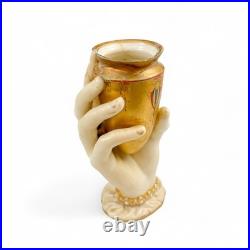
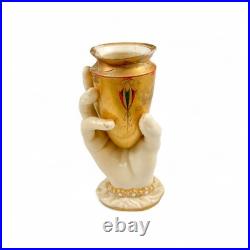
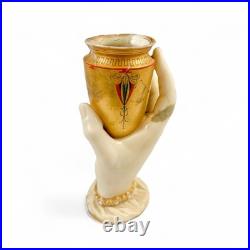
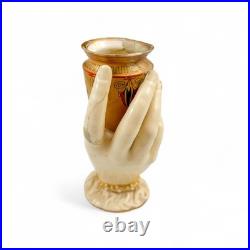
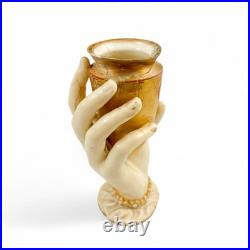
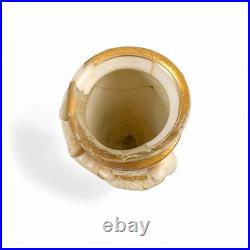
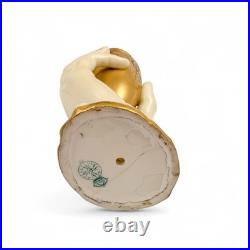
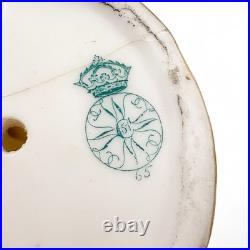
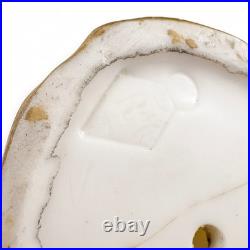
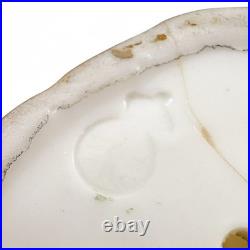
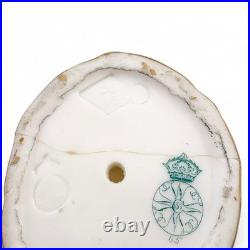
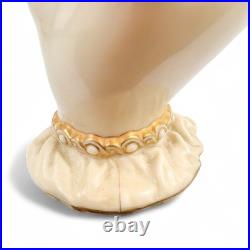
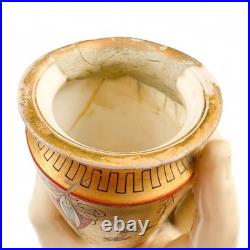
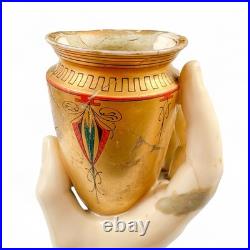
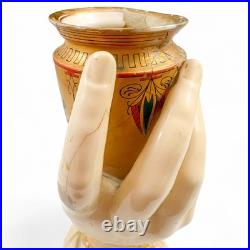
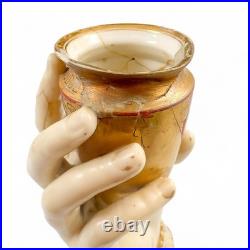
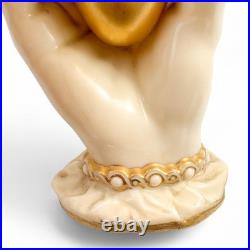
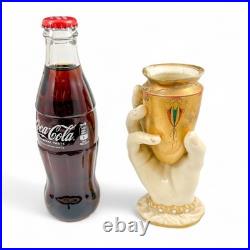
An early Royal Worcester porcelain model titled. Mrs Hadley’s Hand. Designed by James Hadley and dating to 1865. The sculptural form depicts a delicately modelled porcelain hand holding a gilt amphora decorated with fine classical ornament and colourful painted detail. The wrist is encircled with a moulded bracelet, and the base features a softly ruffled design with gilt edging. The underside bears the early green Royal Worcester mark, confirming production in 1865. This is one of Royal Worcester’s most recognisable and sculpturally ambitious Victorian models, highly associated with James Hadley’s early artistic output. Height: 14.5 cm / 5.71? Base: 7 cm x 5.5 cm / 2.76? X 2.17? Weight: 247 g. A genuine 19th-century example showing age-related wear. There are visible cracks to the base and palm area, and the amphora has been repaired. The interior rim shows hairlines and wear, and the gilt decoration has softened in areas. Structurally stable and displays well despite these issues. Professionally packed with protective materials. Please review all photographs carefully, as they form part of the description, and feel free to ask any questions.
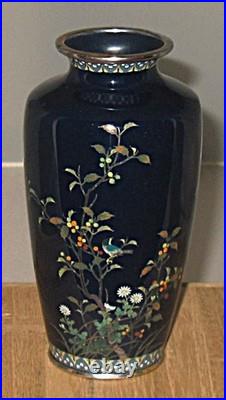
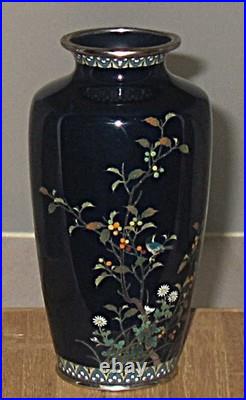
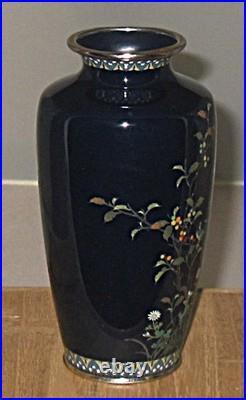
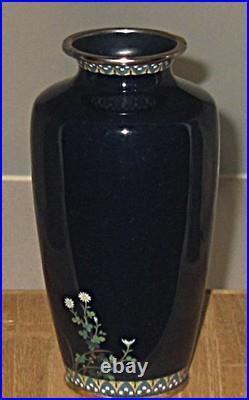
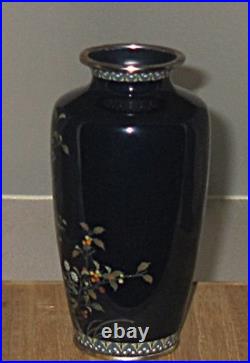
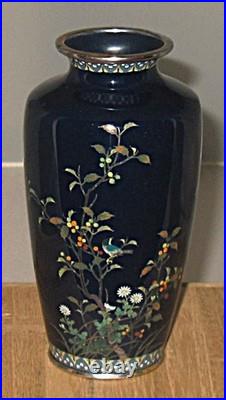
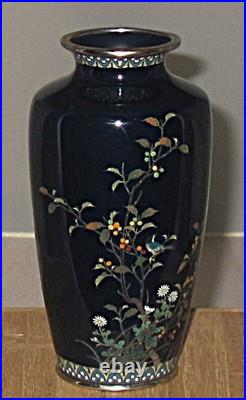
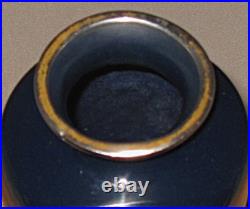
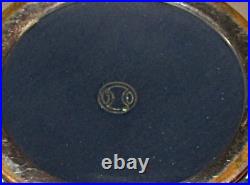
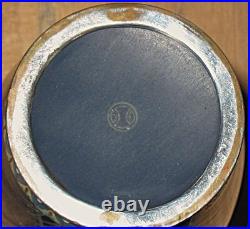
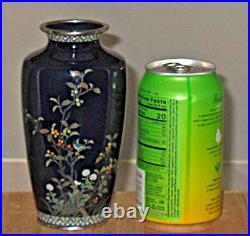
Fine Antique Early Inaba Signed Japanese Cloisonne Vase – Rare Mark w/ Bird. Beautiful yusen -jippo style Japanese cloisonne enamel vase. High gloss black ground with wonderful colors in flowers, foliage and perched bird. Exceptional silver wire cloisonne work. Matching geometric borders at top and base attest to the high quality of this vase. Solid, heavy vase for size. Very old, rare marking of early Inaba with a finer detailed version of the now common Inaba mark we now see. I could not find a good example in my ref materials, but the prior owner referenced the following. Inaba Shichiho was the founder of early Inaba cloisonne workshops which became the modern day Inaba Company. Gary Yoshino’s excellent reference guide, “Japanese Cloisonne Enamels”, p 182, describes early detailed examples. That rivaled works of Hayashi Kodenji.. Certainly a rare mark. Anyone with more information, please share. Approximately 6 1/4″ Tall, 3 1/4″ Wide. Excellent condition for very old age. No cracks, chips or any damage to enamel. No dents to rims but show normal wear. Nicely signed, older pieces are getting harder to find. Please check my other listings. Please see photos as an integral part of this description. Sometimes the camera catches what I don’t. From my own personal collection, these nice vases would be an excellent addition to yours. All serious, reasonable offers considered. Please contact if interested. Lease check my other listings.
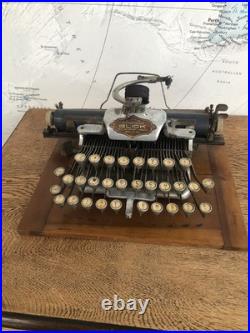
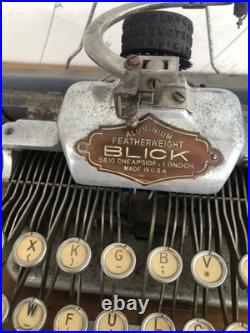
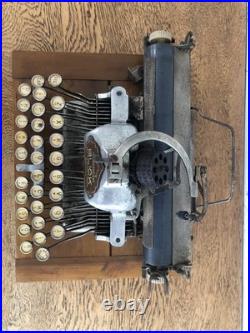
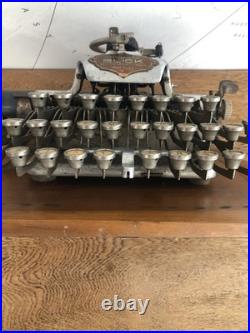
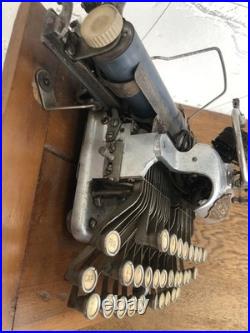
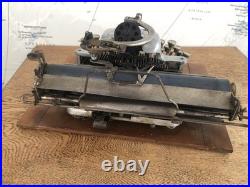
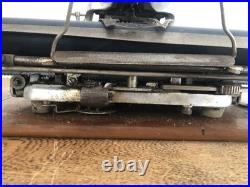
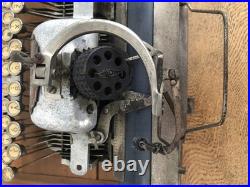
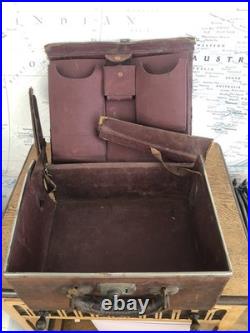
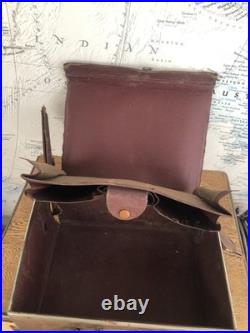
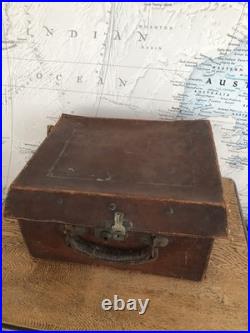
Unrestored earley 20c Blick lightweight. The image shows an antique Blickensderfer Featherweight portable typewriter, an innovative early-20th-century aluminum machine often marketed as the “Five Pound Secretary”. Design: Uses a cylindrical type-wheel instead of individual type-bars, allowing the typist to easily swap out different typefaces and character sets. Keyboard: Features a compact layout with round keycaps mounted on long, slender vertical shanks. Build: Housed on a wooden base, the cast-aluminum frame significantly reduced the weight compared to iron models of the era.
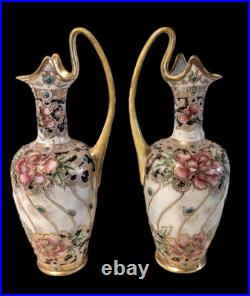
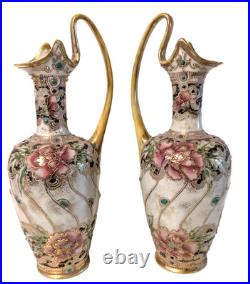
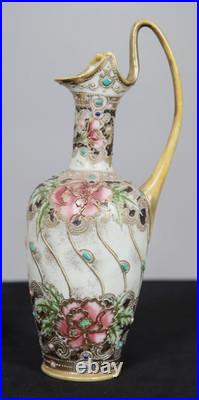
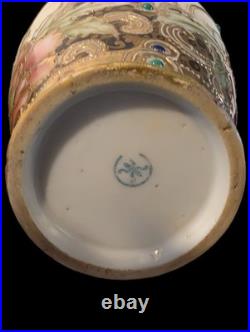
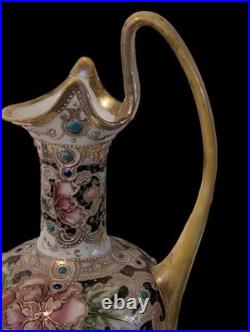
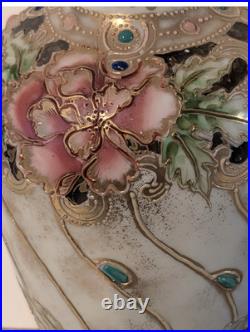
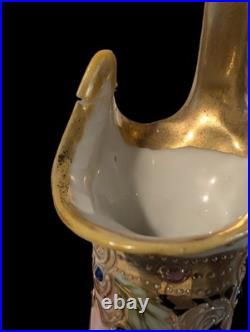
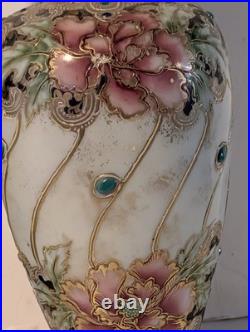
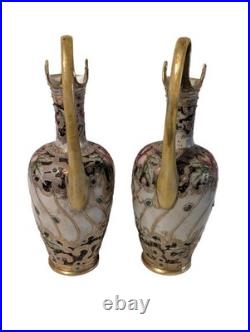
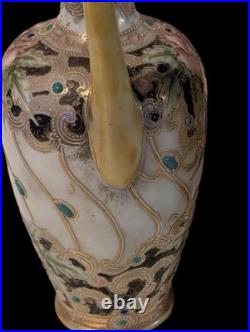
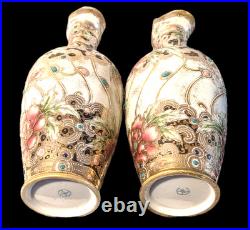
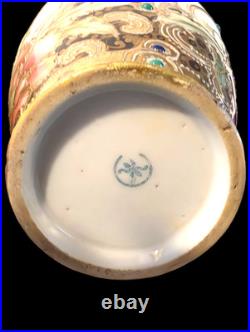
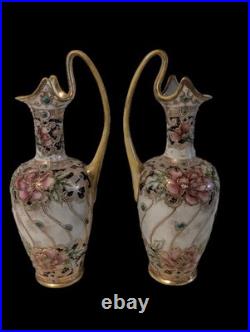
Pair of Ewers Jugs. Noritake Antique Early Komura. One has minor repair – see photos – prices accordingly. This pair of antique Noritake Komura ewers, dating back to 1902, are rare pieces from England with a unique spider mark design. Made in Japan, these multi-coloured, handcrafted porcelain jugs come from the Komura production line and exude an Edwardian Victorian style. The 3D effect and all-over pattern make them a standout addition to any room, showcasing the art pottery production technique of the era. With a weight of 748 grams, these decorative cookware pieces are not only aesthetically pleasing but also a valuable collectible for those with a love for vintage items. The information provided is offered as to the best of our knowledge and provenance documentation [if any] available. Viewing every Sunday from 8am to 1pm and other times by appointment is available from our shop located at. Collection in person by appointment is available at the above address. Winchester Farm, Draycott Road, Cheddar BS27 3RP. Or Parcelforce door to door service. Please view all photographs as these form part of the description. We aim to dispatch as soon as possible in well wrapped packaging. Whenever possible, recycled materials are used.
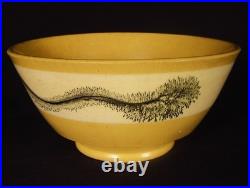
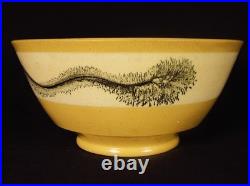
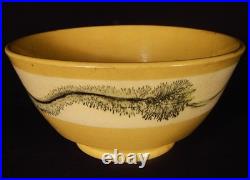
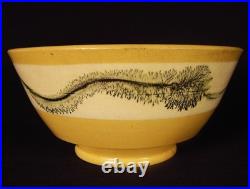
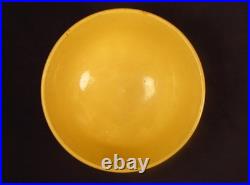
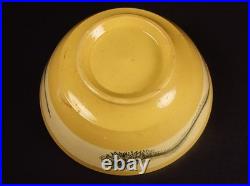
This great piece of mocha decorated yellowware is a tea bowl. During the 1700s and early 1800s tea was an expensive commodity and after tea was brewed, the tea leaves would be saved in tea bowls for use the next use. Tea bowls have a unique shape, they always have flat sloped sides that angle down to a rounded raised foot, and with no rim like other bowls. This tea bowl is decorated with 2 long black glaze mocha decorations on a wide white band around the flat side. Tea bowl measures 6 ¾ across the rim by 3. Tea bowls that have survived had years of constant use and, when found, are often damaged. This tea bowl is in original mint condition with damage or repairs.
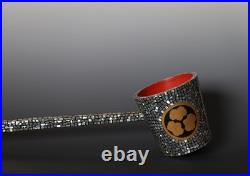
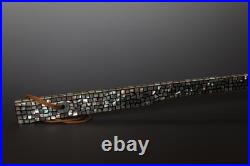
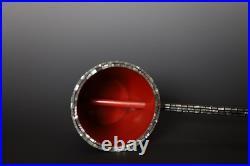
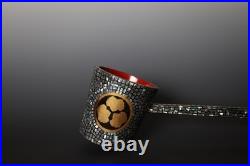
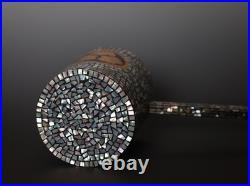
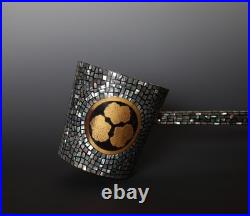
Rare Samurai Bashaku horse water dipper lavishly decorated with abalone shell and marked with Samurai family crest. Late Edo period 19th c. Bashaku were used by horse mounted Samurai warriors to enable them to fetch water without dismounting. According to the status and wealth of the warriors such items were sometimes very lavishly decorated. Period :19 th century, Edo period. Condition : Fine original, practically untouched condition with expected abrasions due to the significant age of the item. (please refer to the photos). Dimensions: 50cm x 10×10.5 (19.7/3.9/4.1 inch). International Buyers – Please Note. Please check with your country.