
RARE ANTIQUE 1800’s & Early 1900’s Quimper HENRIOT Set 5 Bread Plates FRANCE
Posted by admin On October 26, 2026
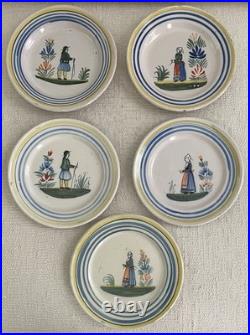
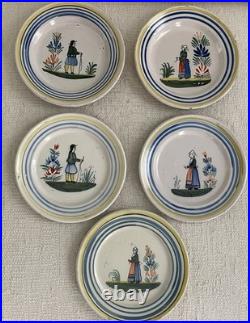
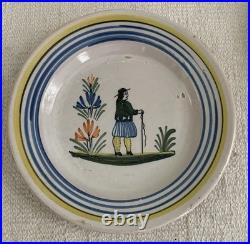
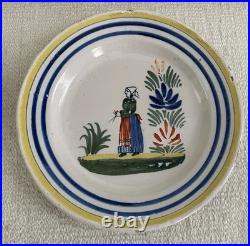


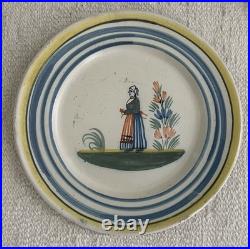
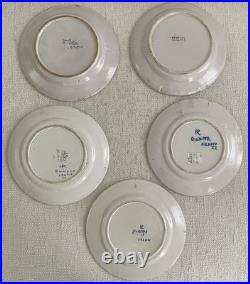
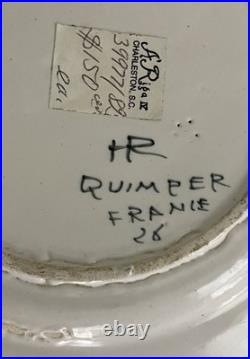
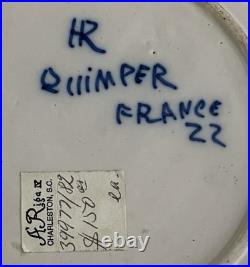
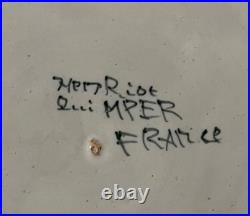

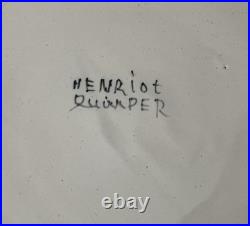

RARE ANTIQUE 1800’s & Early 1900’s Quimper HENRIOT Set 5 Bread Plates FRANCE. Plates are approximately 6 3/4 wide. Some plates date to the late 1800’s and the rest to the very early 1900’s. Please view all photos to see the backstamps. You can google Quimper Backstamps to date each plate. These 5 plates came from a private collector. They look AMAZING for their age.

Rare Antique Early Country Wood Salesman Federal Eagle Shaving Glass Mirror 11
Posted by admin On October 26, 2026
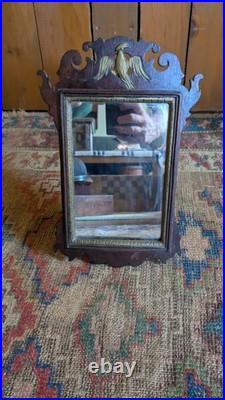
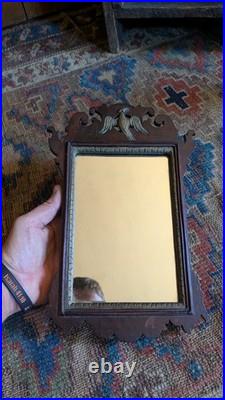
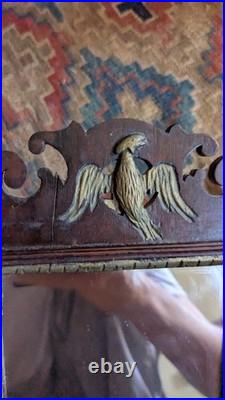
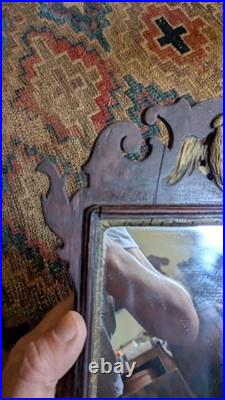
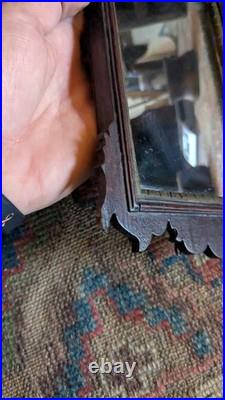
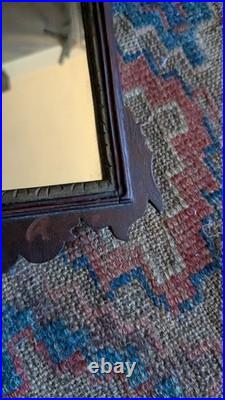
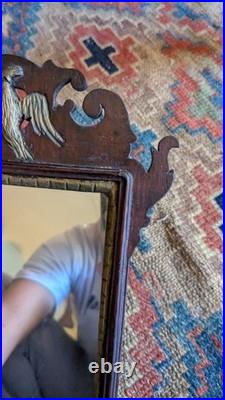
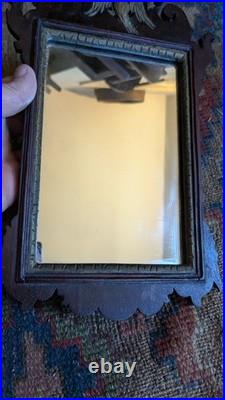
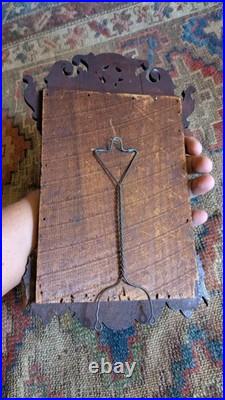
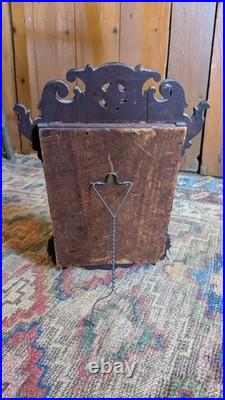
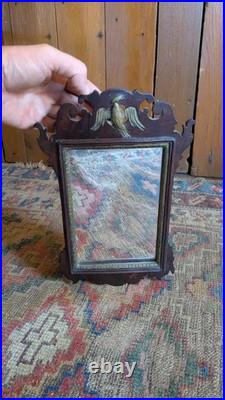
Offering this rare antique salesman size wood shaving mirror. Measures 11.5″ x 7.5″. This piece has a dark patina and wear. In good overall condition with a couple minor blemishes along the ornate edge. Has an eagle top with a wood back and metal piece to sit upright or hang on the wall. Wonderful mirror for your collection.

Rare Large Compton Art Pottery Dolphin Fruit Bowl Antique Arts & Crafts c1920’s
Posted by admin On October 25, 2026
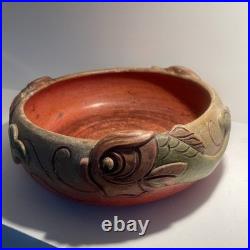
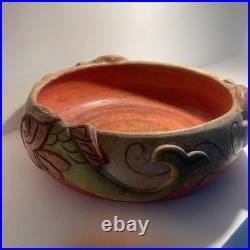

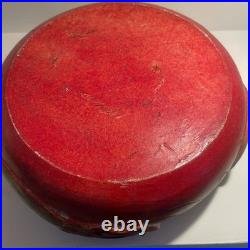
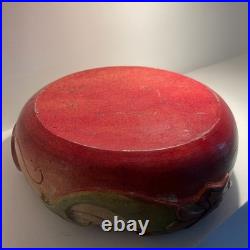
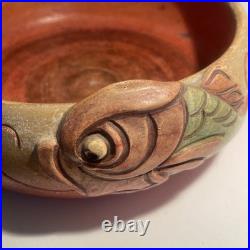
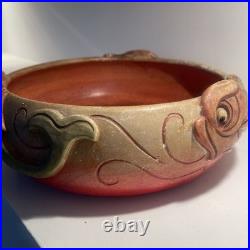
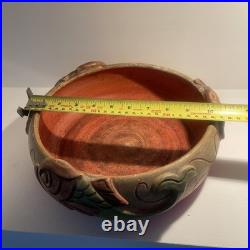
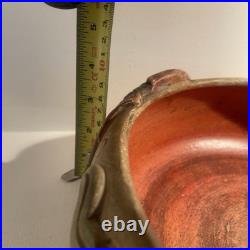
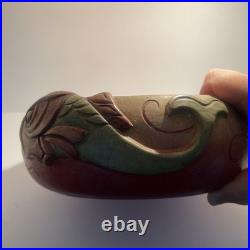


This rare large 11 inch wide Compton Art Pottery Dolphin Fruit Bowl from the 1920s is a unique and decorative piece for any arts and crafts enthusiast. Although unmarked it is obviously a stunning original example Handmade in the UK, by the Compton Potters Guild circa 1920’s this multicoloured ceramic bowl features a stunning dolphin / fish design, perfect for adding a touch of elegance to any table setting. In very good condition with charming original age related fading to the original matte Green & Red Glaze – a striking and rare piece of arts and crafts Compton Pottery!

Rare Unusual Antique Early Yale Carriage Clock Working Pendulette Circa 1880
Posted by admin On October 25, 2026
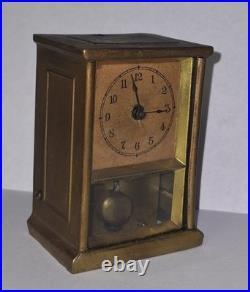
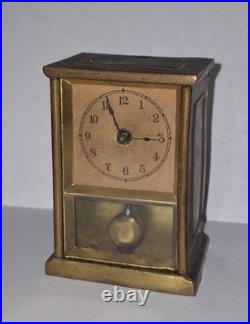
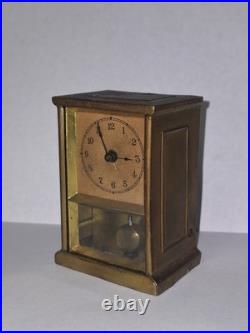
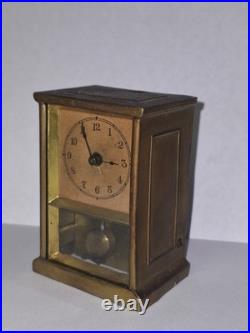
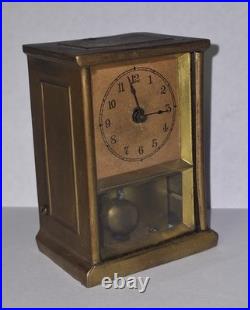
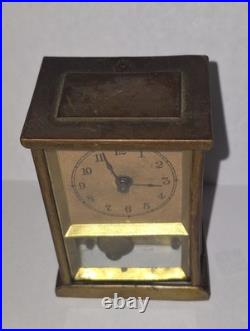
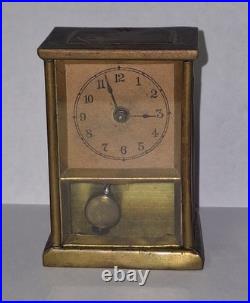
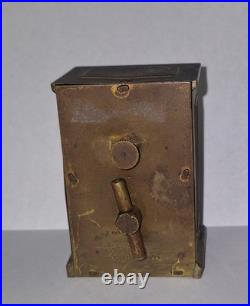
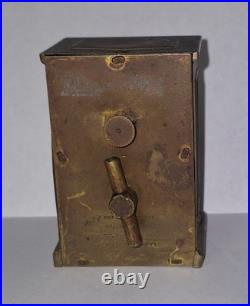
ANTIQUE AMERICAN CARRIAGE CLOCK BY YALE CLOCK CO. COMES WITH WINDING KEY ATTACHED IN REAR. MEASURES 3 INCHES HIGH, 2 WIDE.

Rare 17th / Early 18thC Antique European Folk Art Wooden Crucifix Cross Jesus
Posted by admin On October 24, 2026

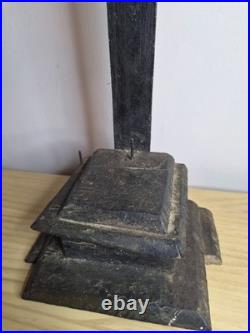
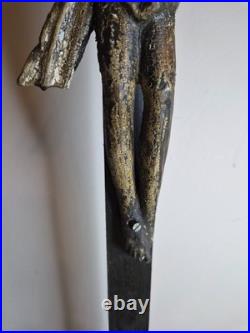
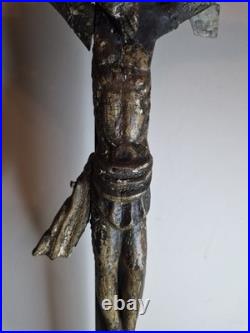
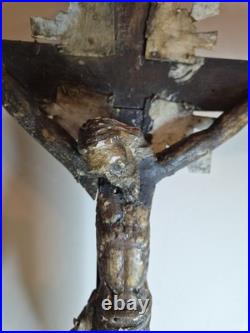
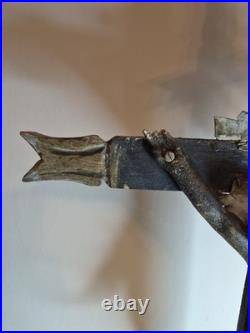
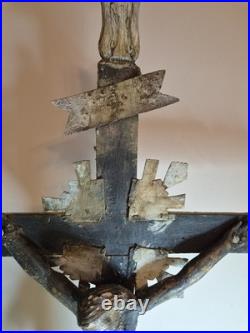
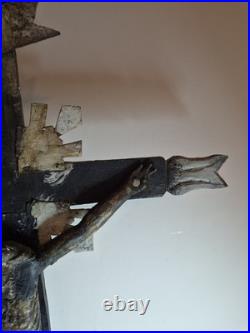
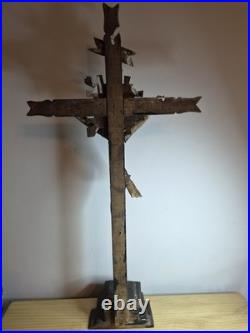
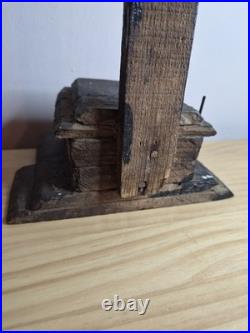
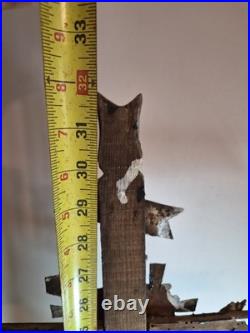
Overview? An exceptional, highly atmospheric late 17th or early 18th-century Continental European devotional crucifix. This authentic piece of historic folk art showcases incredible age, an untouched crusty patina, and deep religious character. Featuring unique pre-industrial craftsmanship, it stands on its original multi-tiered “Golgotha” wooden base. Design & Iconography? The Corpus: Features a striking, elongated hand-carved wooden figure of Christ with a Jansenist-influenced vertical arm posture, characteristic of 17th-century theological artistry. The torso and loincloth show beautifully raw, provincial carving details. The Details: Adorned with a hand-painted “INRI” titulus scroll at the apex and a unique, jagged sheet metal (tin/iron) radiating halo/glory behind the head and cross joints. The Wood: The reverse reveals beautifully aged, hand-riven/hand-hewn timber showing historic adze or drawknife marks. The unpainted wood on the back has oxidized over centuries to a rich, warm honey-brown hue. Condition Report? Surface: Magnificent, untouched original condition with extensive “alligatoring” (square cracking) to the old painted gesso surface. The deep, dark patina is completely authentic, built up from centuries of exposure to candlelight and environment. Structure: The piece is stable on its layered, block-constructed wooden base. There are ancient, entirely inactive woodworm flight holes on the reverse, adding to its genuine antiquity. Historic Repairs: As is common with devotional items of this age, this piece has been loved and maintained over generations. There are early-to-mid 20th-century flat-head slot screws carefully stabilizing the hands and feet to the cross where the original ancient glue/fasteners naturally failed. The tin halo elements remain attached via irregular, hand-forged blacksmith tacks.

Rare Engraving Print Rate Early Female Figure With Baby Framed Signed Antique
Posted by admin On October 24, 2026
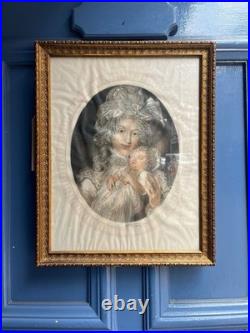
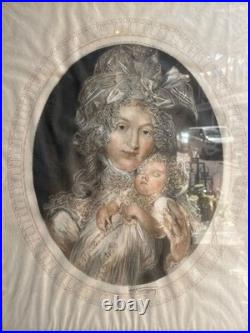
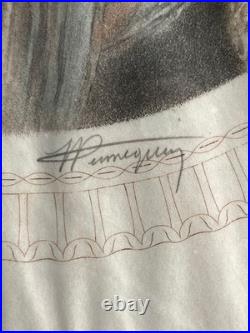

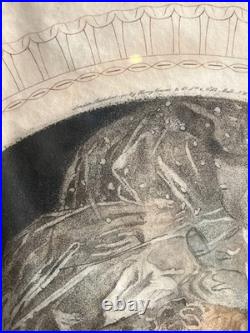


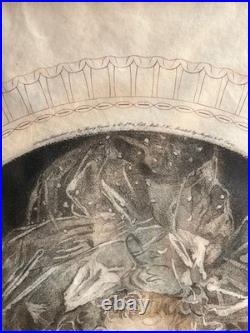

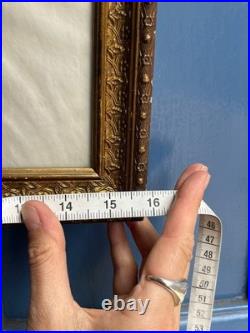
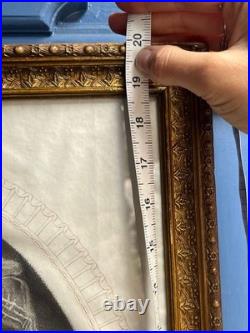
The product is a rare early engraving print depicting a female figure with a baby, originating from the United Kingdom. It is framed and signed, adding to its authenticity and value as an antique. This unique piece would make a valuable addition to any antique collection, offering a glimpse into the history and craftsmanship of the era.

Rare Antique Early Primitive Metal Tin Tole Mini Bullseye Lantern 5 Patina
Posted by admin On October 22, 2026
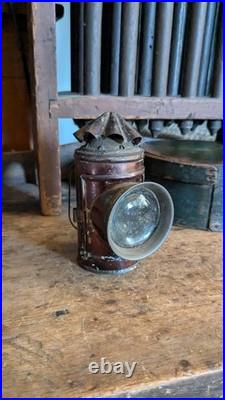
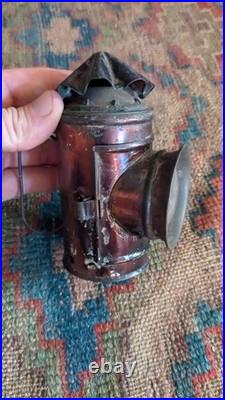
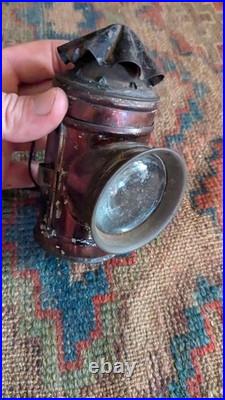
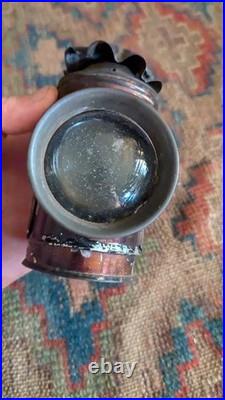
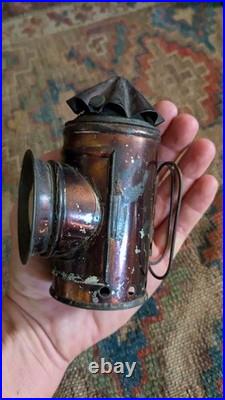
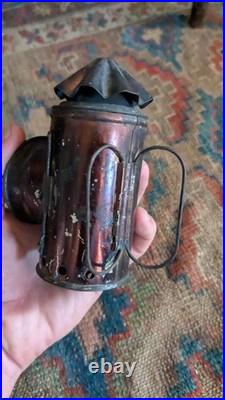
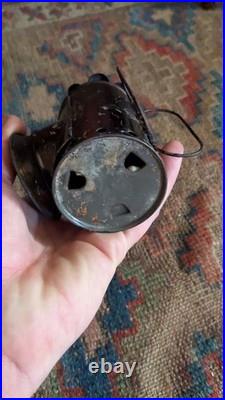
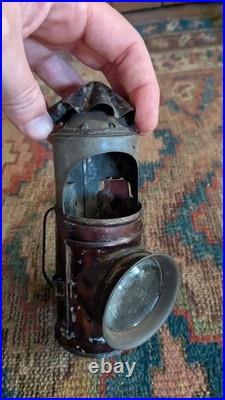
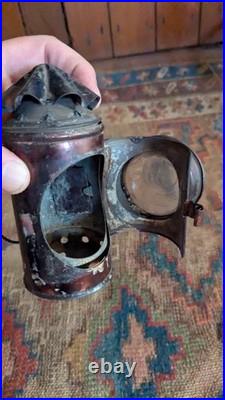
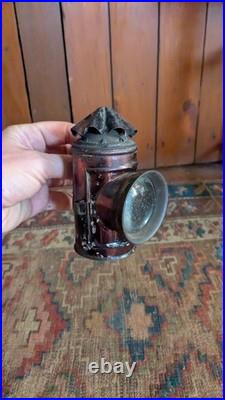
Offering this hard to find small size bullseye lantern. Measures 5″ x 2.25″ D. Has a nice wear and patina with a japanning style tin surface. The top lifts as seen with a colored reflector insert but is missing the burner. Great size and good overall condition.

RARE & EARLY WOOD & Sons ALERS WARES HAND TUBELINED VASE by FREDERIC RHEAD
Posted by admin On October 21, 2026





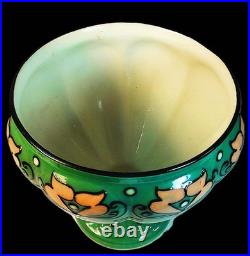


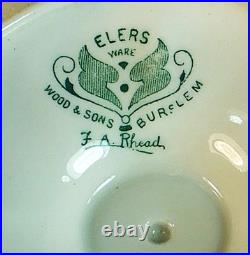

RARE & EARLY WOOD & Sons ALERS WARES HAND TUBELINED VASE. This is a wonderful hand tube-lined vase made in the’Alers’ ware pattern at the Wood and Sons factory Stoke-on-Trent, England that dates, I would guess, to between 1912-15 and was designed by the woefully under rated Frederic Rhead for me he is an unrecognised giant of on both sides of the Atlantic, probably with his association with so many factories? In tapering lobed ovoid form over a wide trumpet foot, it is depicted with a lovely hand tube-lined and hand slip (pink) painted motifs in an Art Nouveau / Charles Rennie Mackintosh style on a green ground. The base has the above-mentioned printed factory, pattern, and facsimile signature – see detailed photographs It measures 6″ (15.25cm) H x 6 1/4″ (16cm) W approx; and is in excellent condition with no defect at all to report – see photographs and details. This is a lovely rare, unusual piece of early period Frederic Rhead pottery which is in great condition that presents beautifully and with a low start price should attract a good deal of interest from all collectors. THERE IS NO RESERVE ON THIS SALE. Almost everything I sell is in the condition I have bought it, unless otherwise stated, (I have learnt to my cost in the past not to tamper with an item), and therefore I have neither had items repaired nor restored. I will endeavour to report on an item which has had either; however I take no responsibility if an item has been tampered with and I cannot detect it. Please don’t waste your time asking for a b. I will dispatch goods on clearance of any of the above. I do not accept – non UK. All parcels are well packed and protected with strong boxes, bubble wrap and packaging peanuts where necessary. So please read them carefully as they are binding. Do not hesitate to contact me if you need additional information.

RARE Antique GERMANUS & NERGER Detektiv Cash Register WWI Era Early 1900s
Posted by admin On October 21, 2026
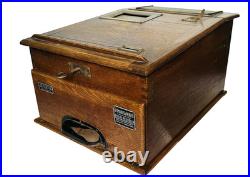
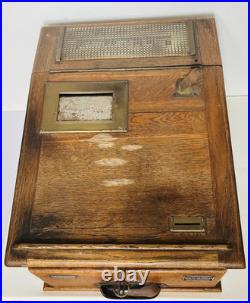
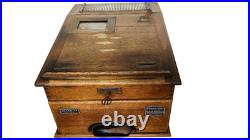
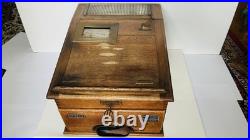
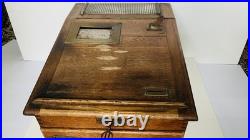
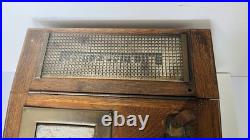
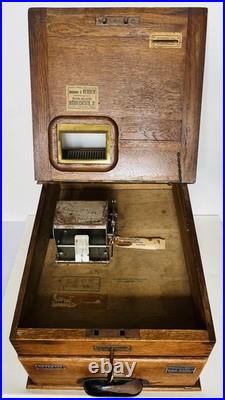
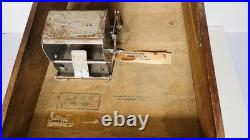
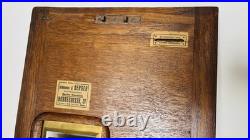
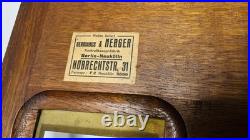

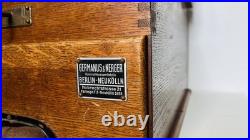

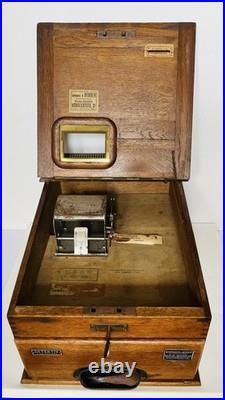
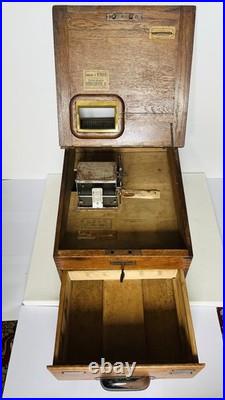
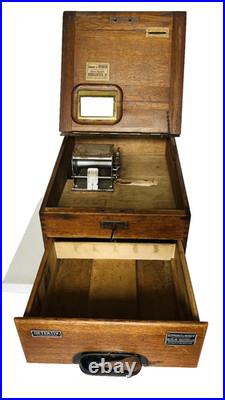
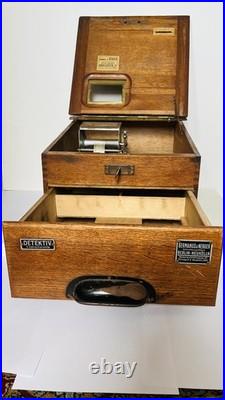
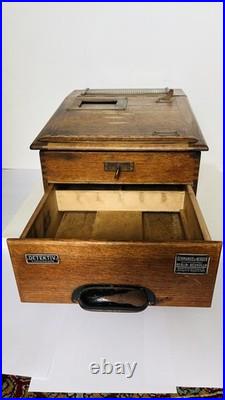
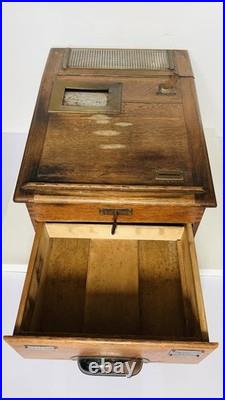
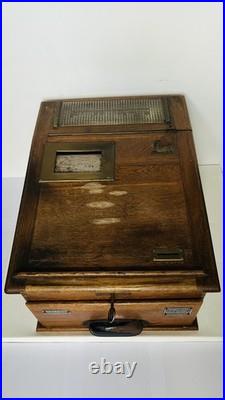
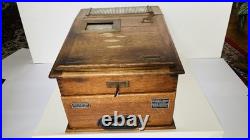
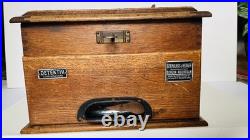
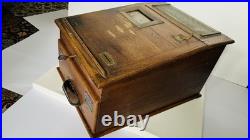
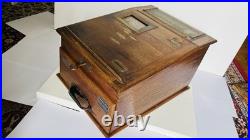
RARE Antique GERMANUS & NERGER “Detektiv” Cash Register – WWI Era Early 1900s. Comes With original Key. Ring when the cash register opens. Up for sale is a stunning piece of European mercantile history: an original Germanus & Nerger “Detektiv” wooden cash register. Manufactured in Germany during the early 20th century (WWI era), these machines were renowned for their precision engineering and “detective” security features. Germanus & Nerger was a prestigious brand, and finding a wooden model in this condition is increasingly difficult. Early 1900s (WWI Era). Beautifully aged solid wood housing with original metal/brass components and paper roll mechanism. The wood has a gorgeous natural patina. Please study the high-resolution photos carefully as they form part of the description. Whether you are a collector of antique office equipment, a fan of WWI-era German engineering, or looking for a show-stopping decor piece for a boutique or office, this Germanus & Nerger register is a perfect choice. I believe that the collectors are pleased to compete for this great piece of history! The condition could be seen on the picture showing. Great choice for any collection or for decoration! ATTENTION: Dear Customers, you will receive exactly the same item which you see on the pictures, not similar or other. Please read the description carefully and review the photos.

Antique Indian Toran Embroidered Banner Silk Cotton Rare Unique Early 20rh C
Posted by admin On October 20, 2026
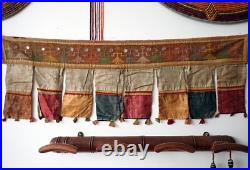
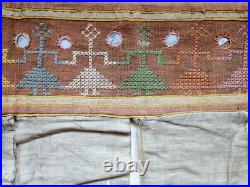
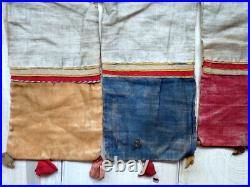
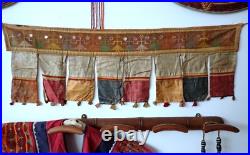
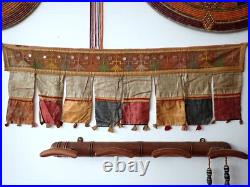
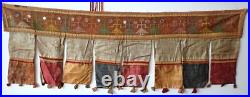
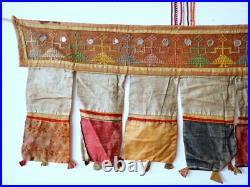
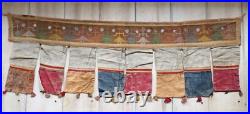
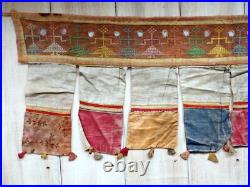
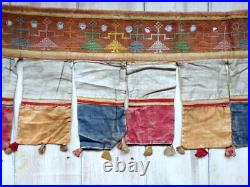
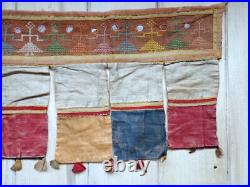
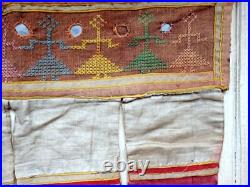
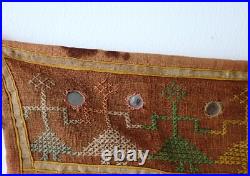
We are a Greek/English family-run business established in the UK in 2011. Since then we have built up a large collection of unique items. Hand-picked from private collectors sales. Our choice of items is based on quality, craftsmanship, cultural interest and beauty. We research every single item and aim to provide as much information as possible about its history and provenance. We speak English perfectly. As well as understanding Spanish, Italian, Portuguese and French, so please do communicate without fear for any questions you may have. We are here to help and provide any information you need at all times. We have been packing and sending items abroad for many years and have successfully delivered even the most fragile pieces including Venetian mirrors, carved chairs and arabesque tables. This Listing is for. Antique Indian Toran Embroidered Banner Silk Cotton Rare Unique Early 20rh C. With an embroidered row of women. 91 cm long by 30 cm wide. Good with signs of age and use. Some loss of the embroidery and damage to the mirrors. Please see all photos. Provenance: Private UK Collection. In the summer of 2013 our shop featured in the BBC series Antiques Road Trip; we have also worked with prop-masters and costume designers in the film industry, supplying jewellery and antiques for productions such as Mr Holmes (with Ian Mckellan), Viceroy’s House (directed by Gurinder Chadha), the upcoming Disney production Maleficient II, and the TV series Downton Abbey.