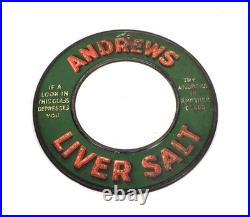
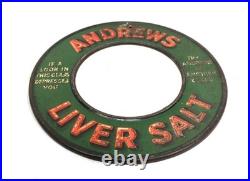
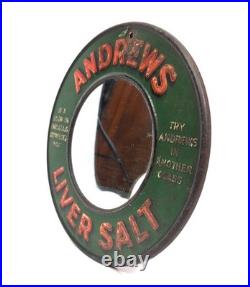
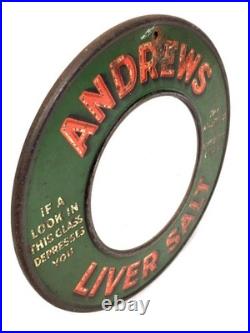
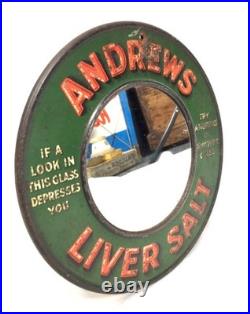
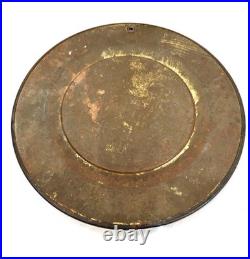
Antique Advertising – Rare Andrews Liver Salt Tin Metal Mirror Sign c. Early to mid 20th century. A great collectors item, this advertising mirror for Andrews Liver Salt combines playful humour and advertising. Found in chemists, pharmacies, local stores and even pub toilets, this mirror would have been displayed throughout the early to mid 20th century to advertise and promote sales for Andrews Liver Salt (also known as health salt). This was a popular over the counter powder remedy which would be dissolved in a glass of water and drank to relieve indigestion, upset stomach and hangovers. The mirror is in a deep green colour and features the words “Andrews Liver Salt” in a contrasting red colour. The left side reads “If a look in this glass depresses you” and the right says “Try Andrews in another glass” – a playful marketing wording to encourage sales. Andrew Liver Salts became one of Britain’s most trusted household remedies. Made from metal, this mirror can easily be wall hung or placed in a cabinet with other advertising pieces. A great way to add unique decor your interior, with it looking particularly good in a bathroom, man cave or retro style chemist. Condition: In typical antique order with some wear consistent of age. No damage to there mirror glass.
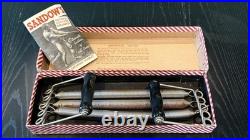
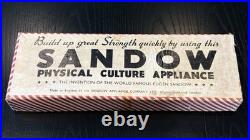
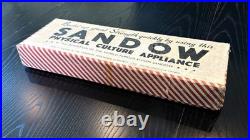
ANTIQUE SANDOW PHYSICAL CULTURE APPLIANCE – ORIGINAL BOX & BOOKLET A wonderful surviving example of the famous Sandow Physical Culture Appliance, an early spring-resistance strength and bodybuilding exerciser associated with legendary strongman and physical-culture pioneer Eugen Sandow. Made in England by The Sandow Appliance Company Ltd, this fascinating piece of early fitness history predates the modern home gym by many decades. The appliance uses a series of substantial steel springs mounted between two handles, allowing a variety of resistance exercises to be performed. The original packaging proudly describes it as: “The invention of the world famous Eugen Sandow” and: “Build up great Strength quickly by using this SANDOW Physical Culture Appliance” ORIGINAL PRESENTATION Particularly desirable is the survival of the original red-and-white striped Sandow presentation box, complete with its large original printed label. Also included is the original illustrated Sandow’s Physical Culture Appliances / Strength Builder booklet featuring a period image of a muscular athlete using the exerciser. The inside of the box retains its original Important Notice / instruction panel from The Sandow Appliance Company. Together these make this a much more attractive collector’s piece than a loose vintage chest expander. CONDITION A genuine vintage example showing age and previous storage. The metal springs remain impressively bright overall, although there is some age-related tarnishing/discolouration visible. The black handles show surface marks and wear consistent with age. The original cardboard box has survived remarkably well but naturally displays storage wear, marks, staining, creasing, edge/corner wear and general ageing, all clearly visible in the photographs. The original booklet also shows age-related wear. No guarantee is made regarding the safety or strength of the original springs for present-day exercise. Please study all photographs carefully as these form an important part of the description. Everything shown in the photographs is included. A superb piece of British physical-culture, bodybuilding and fitness history, with particularly strong display appeal thanks to its original period packaging. Ideal for a collector of Eugen Sandow memorabilia, antique sporting equipment, bodybuilding history, physical-culture memorabilia or vintage gym equipment. SEARCH KEYWORDS: Eugen Sandow, Sandow Physical Culture Appliance, Sandow chest expander, antique chest expander, vintage chest expander, Sandow exerciser, strongman memorabilia, bodybuilding memorabilia, antique gym equipment, vintage gym equipment, physical culture, strength training, spring exerciser, Sandow Appliance Company, vintage fitness, antique fitness, British sporting memorabilia, strength builder.
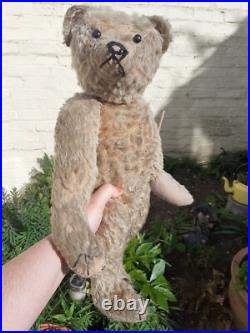
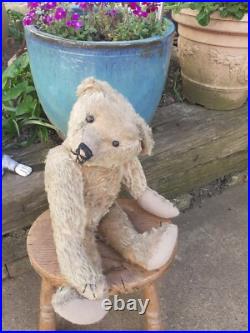
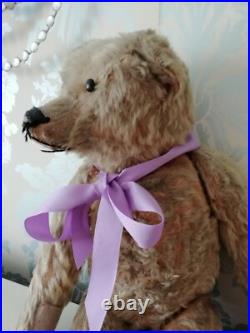
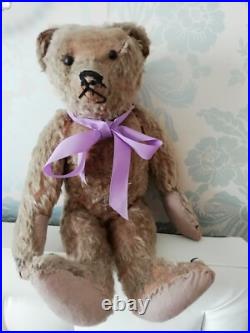
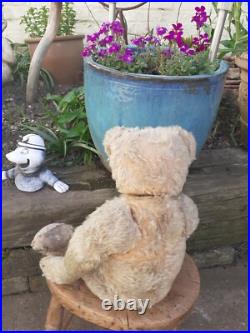
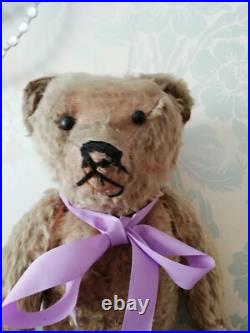
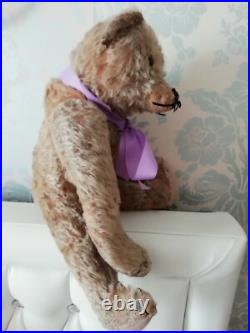
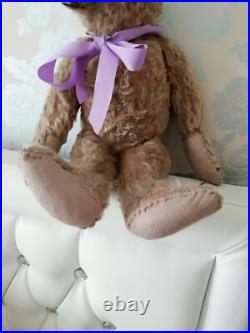
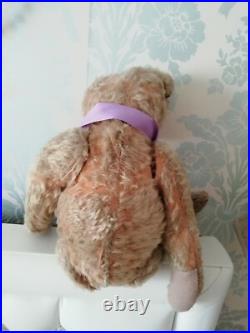
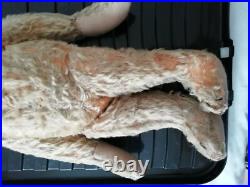
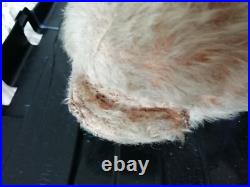
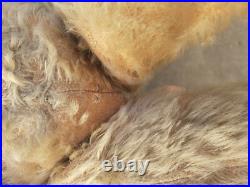
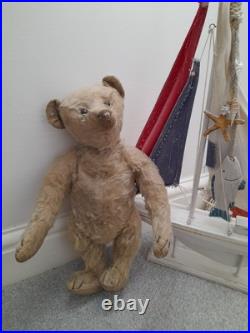
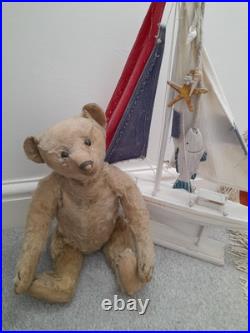
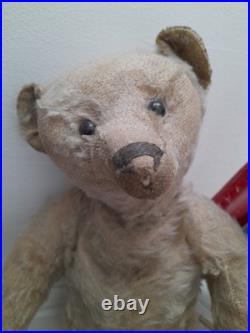
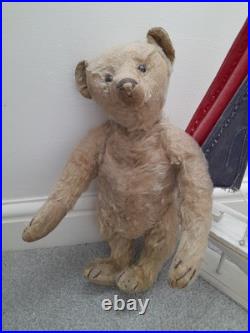
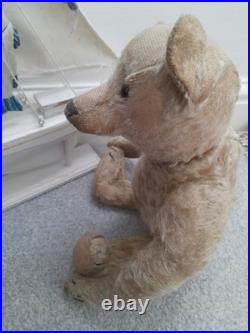
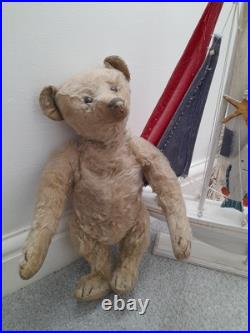
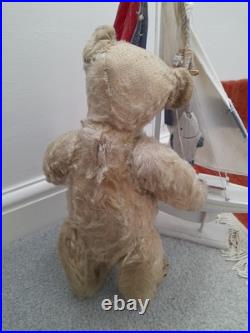
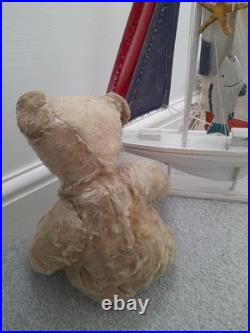
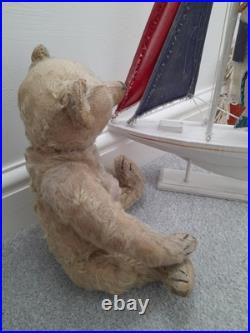
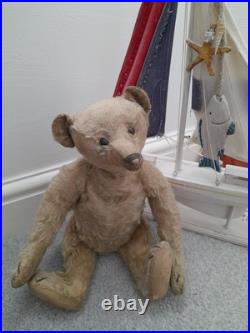
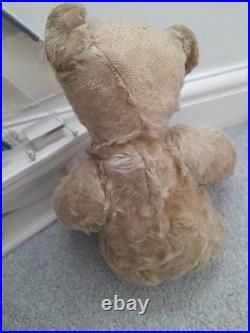
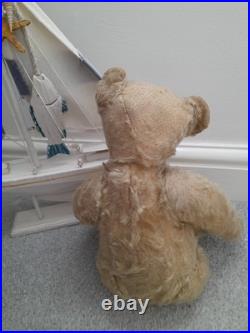
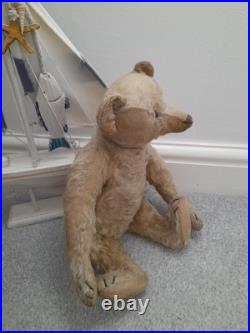
Charming old vintage antique teddy bear 1930s 40s. Antique Rare Early Long Limbs Mohair Jointed Teddy Bear Possibly Struntz. Replaced paws and pads.. One replaced button eye.. Stitching repair to ear on seam.. Loose Black nose stitching but adds to character. Small wear hole at the lower of body.. Please see all photos of this charming teddy bear. Squeaker in belly works when pushed. Some wear to mohair but can be expected for age. Lovely handsome teddy bear. Early teddy requires nice new home.
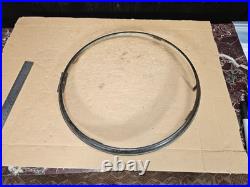
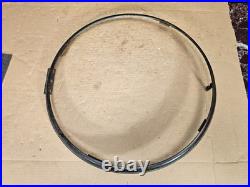
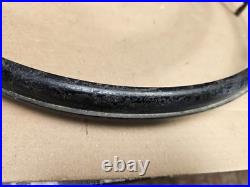
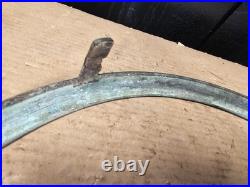
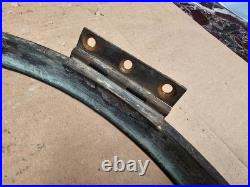
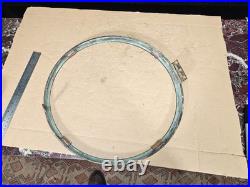
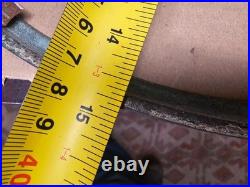
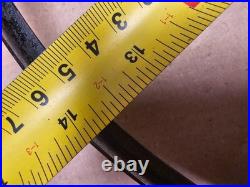
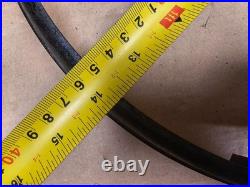
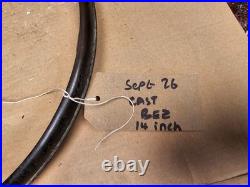
Antique CAST brass 14 3/4 inch wall clock bezel glass fusee no glass RARE EARLY. Lovely antique bezel, no glass, no sight ring, tab and hinge are good, lovely early bezel, dirty, tarnished, old varnish etc. Please see pictures and video. SEPT 26 CAST BEZ 14 INCH.
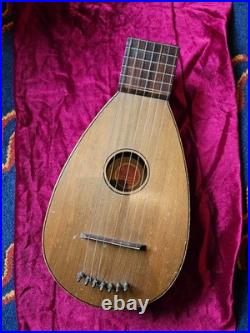
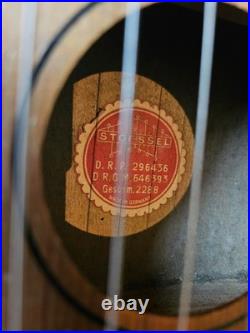
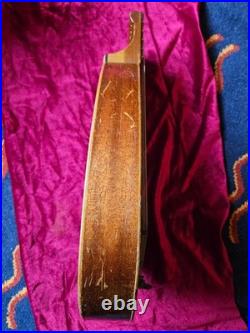
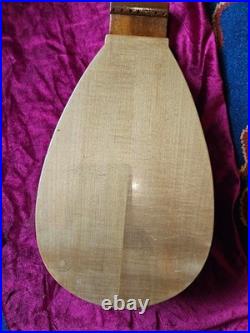
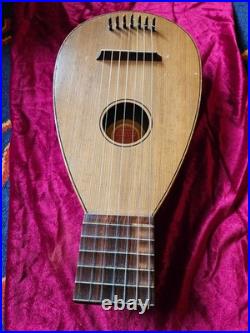
German Stössel 7-string lute. Believed to date from approximately. The original internal Stössel label is still present and clearly marked. This distinctive instrument was designed by. And is an interesting piece of early 20th-century German musical history. It is in good vintage condition for its age, with the expected signs of use and wear shown in the photographs. A lovely display piece and an unusual find for a collector of antique musical instruments. Please see photographs for condition and feel free to message with any questions.
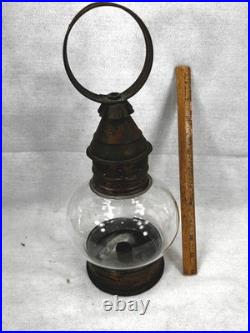
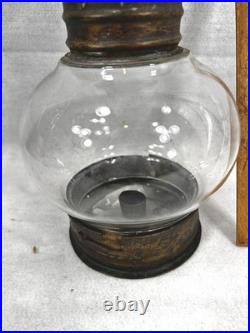
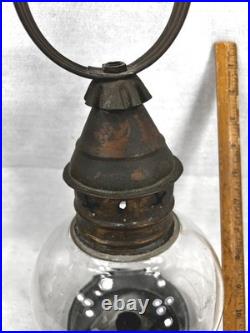
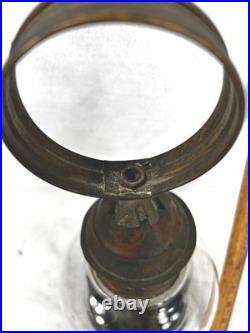
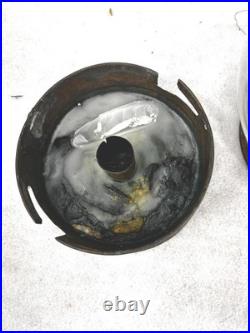
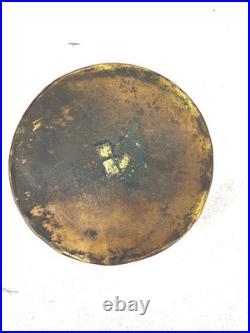
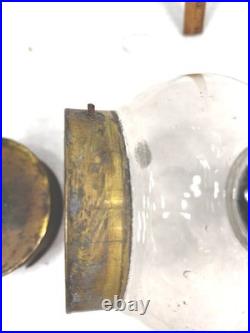
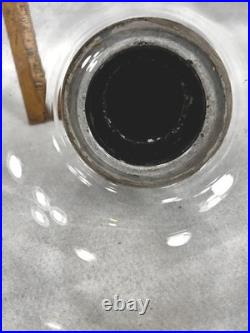
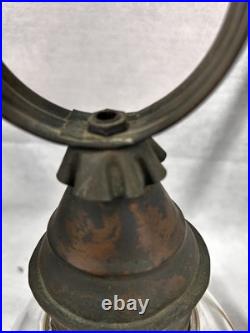
Antique round onion glass lantern lamp candle original early rare1800. Antique early small round onion glass candle lantern, lamp. Antique not reproduction 2. Probably early 1800s 3. Very good condition, not perfect 4. The top loop is fixed, usually they are wired and move back and forth 6. I believe this was wired for electricity and then put back to its original, 7. The fact that it was wired would account for the fixed loop with not instead of the flexible wire 8. Lots of wax in the bottom 9. Metal is light weight brass not tin, dirty, would probably clean 10. Glass is good, some imperfections, original 11. Could be clean if you desire. Total height to top of ring 13.5 in. Height top of glass to top of ring 7.5 3. Across and 19 in. Around the middle 4. Scroll down for larger photos. If you have a problem please get in touch with us. Powered by SixBit’s eCommerce Solution.
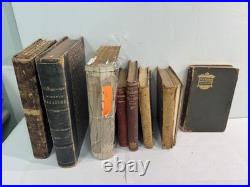
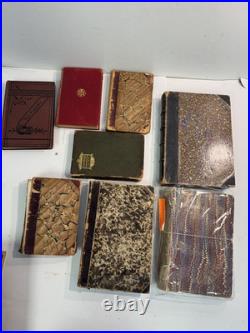
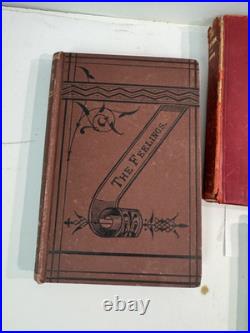
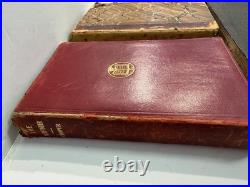
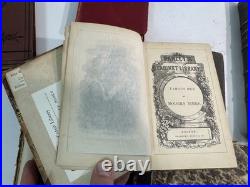
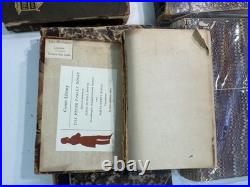
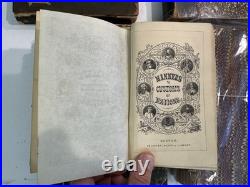
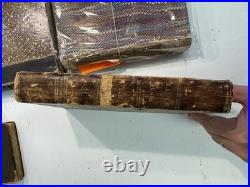
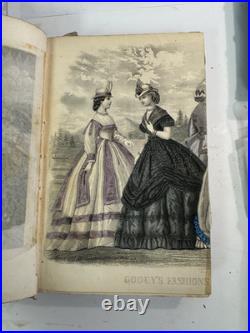
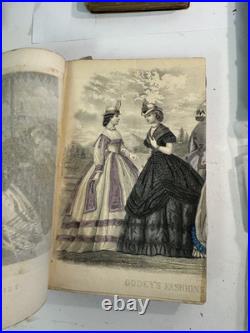
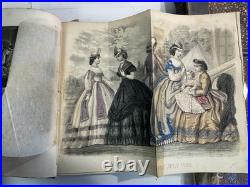
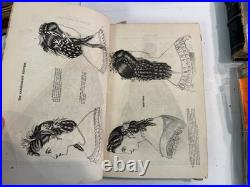
X8 Antique Vintage 1800/Early 1900 Books HC RARE Educational, Health, History. Fair to Good condition – most marked title and year. I have not checked most to see if complete or with all original color pages etc. Comes as they are. If you really need to know I can possibly check a book or two. Multiple options to pay. If any issues – please contact me first. I want to ensure you are happy. I list all items as accurately and detailed as possible to ensure you get what you expect.
Lovely old rare Steiff antique Early 1900s collectors teddy bear. Button eyes full of character with a long cone nose and long arms. Adorable old early teddy bear repair stitching on his ear Some repair stitching on both arms but does not detract from beauty. At some time replacement paws and pads. Black claw stitching Black boot button eyes nose thread worn. 5 /14 inch tall. He does have balding to areas of fur but can be expected for his age. Mainly on the head. Please can you be sure to check out all the photos to show clearly this lovely old chap who is lovely for a nice new home. Any questions please ask.
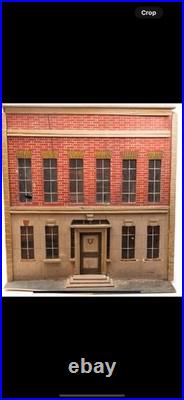
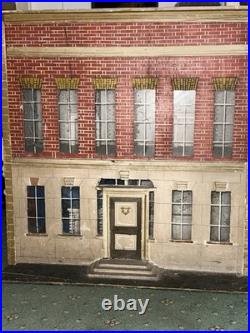
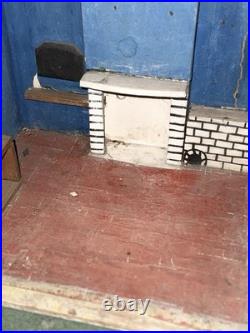
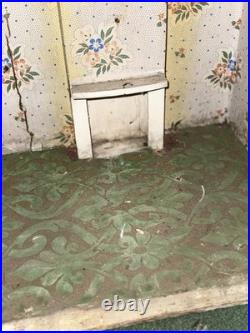
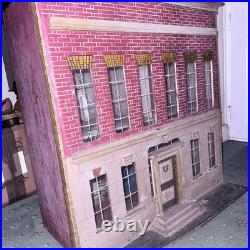
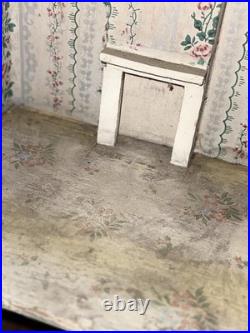
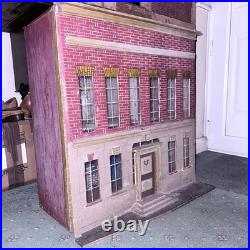
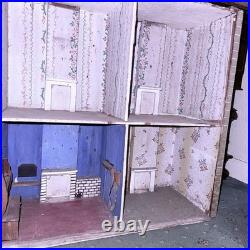
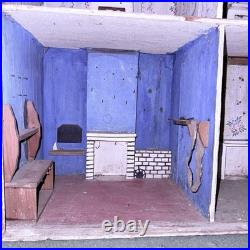
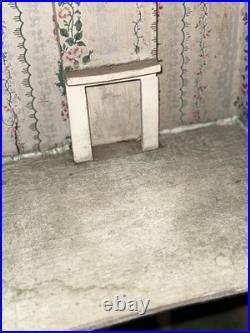
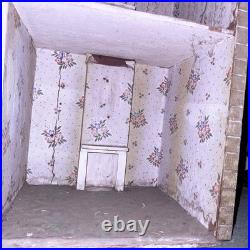
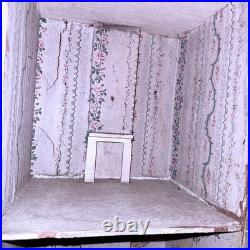
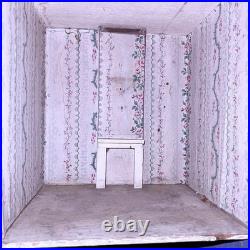
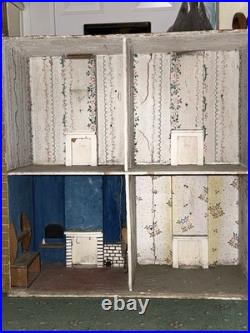
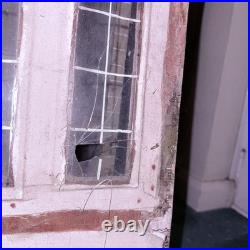
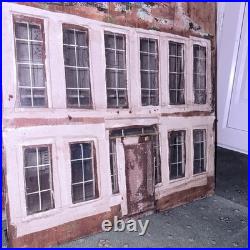
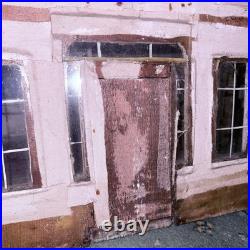
A Rare Early Mid 1800’s Dolls House. Completely untouched with original interior and exterior decor paint and decorative wall and floor papers. This house is very old and shows signs of age and wear. Five of the original thin glass windows are fractured. The facade mechanism to access is to slide upwards to open and remove and the same way to close. Not too heavy in weight. This old dolls house needs sympathetic care and attention. I have the missing facade base piece that has been fractured away. Free collection in person. Courier available within the United Kingdom. Please inquire for further information. It is completely original with very thin glass to all windows.
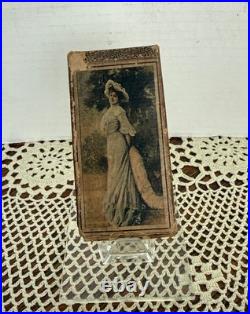
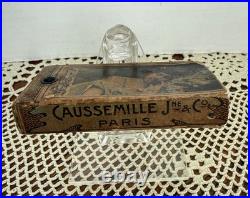
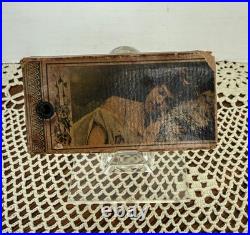
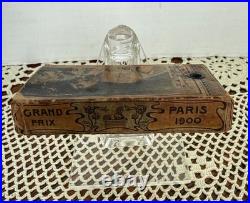
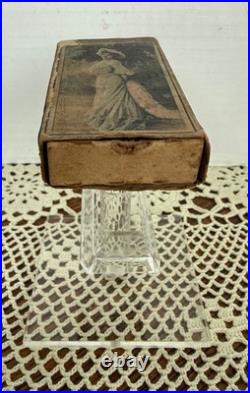
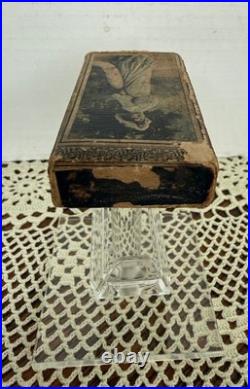
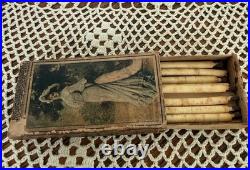
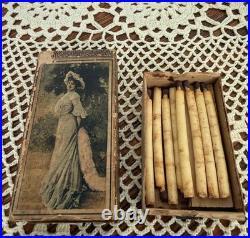
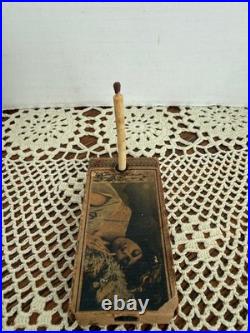
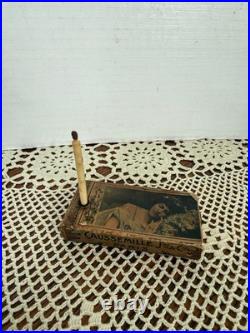
Rare antique from Paris, France a brothel matchbox with candles. Turn of the century – early 1900s. Historically referred to by collectors as brothel candles. Distributed out of Paris with this box celebrating the Grand Prix Paris 1900. Finding a box with labels still clear and having the original wax candles is uncommon. There is some age-appropriate wear as you would expect but the box structurally functions. The black metal candle holder insert is fully intact and holds the candles securely. Pictures pretty much show it accurately but please ask any questions you might have.
Loading...X