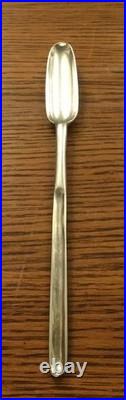
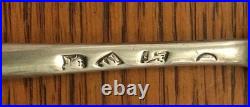
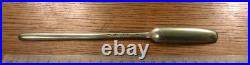
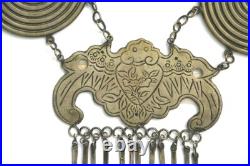
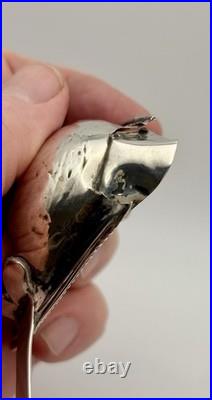
This early George II sterling silver marrow scoop from London in 1727 is a rare and valuable piece of antique cutlery. With its Georgian style and solid silver construction, this scoop is not only a functional kitchen tool but also a decorative and historical item. Made in the United Kingdom, this pre-1800 piece showcases the craftsmanship and elegance of the period, making it a prized addition to any collection of silver antiques.
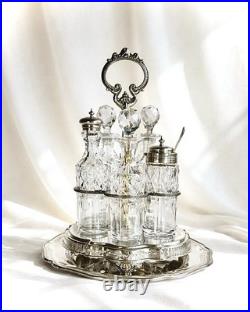
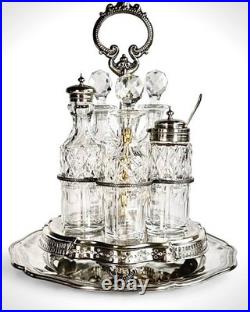
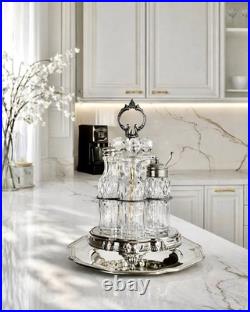
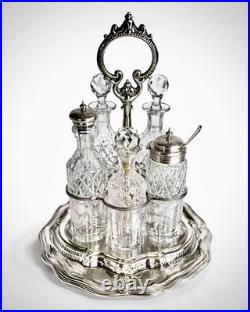
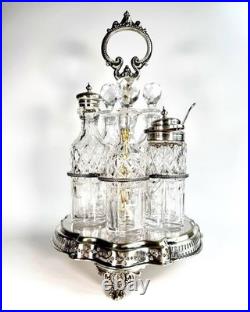
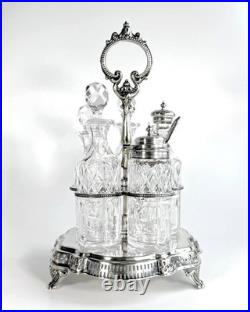
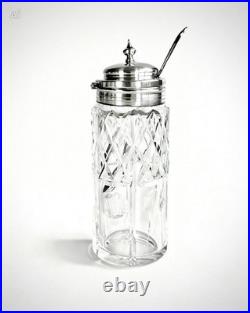
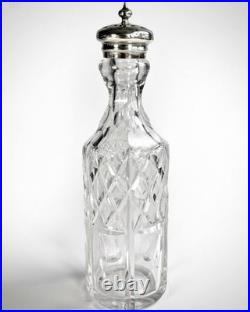
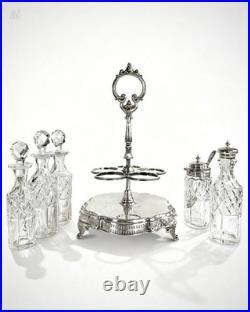
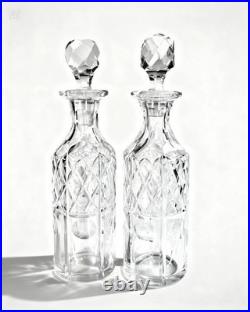
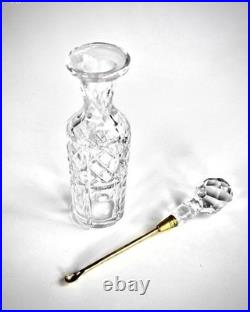
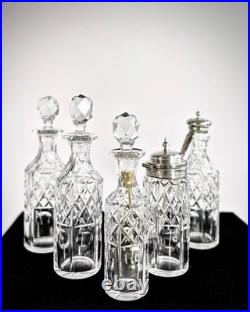
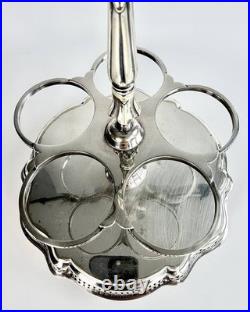
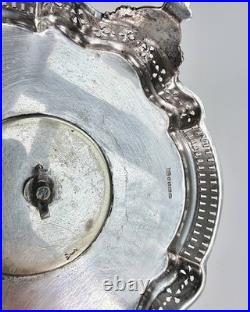
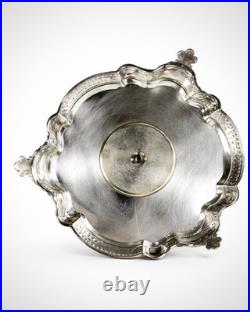
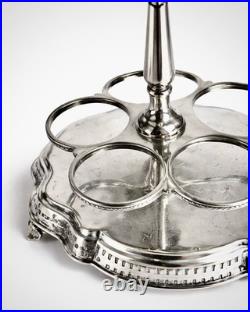
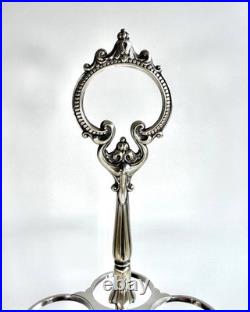
An absolutely fantastic antique cruet set with beautifully preserved original cut crystal bottles. The carving is crisp and elegant. The proportions are beautifully balanced. And yes – it includes the rare cayenne pepper bottle with its pierced top, still present and intact. There are clearly visible maker’s marks on the stand. What I can say with confidence: it is an English silver-plated set from the early 20th century, solidly made and thoughtfully designed. The silver plate shows noticeable wear along the edges and on the upper handle, with warm brass tones coming through in places. This is honest age-related wear and consistent with its age. Structurally, it is strong and stable. The glass is in very good condition. No chips or cracks observed. The set has been carefully cleaned and gently polished where appropriate. The condition visible in the photographs is exactly as described – what you see is what you will receive. No hidden defects, no structural issues, no unpleasant surprises. The silver tray is not original to the set. It has been intentionally paired to complement the cruet and create a stronger visual presence. Together, they can function not only as serving ware but as a refined centrepiece for a dining table or kitchen island. The tray may also be used separately if preferred. Some pieces reveal everything. Some keep a small secret.
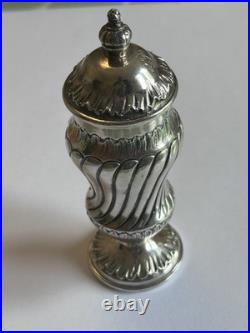
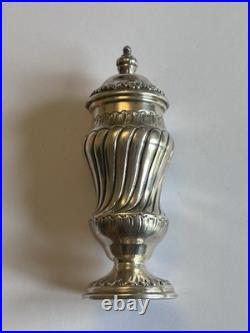
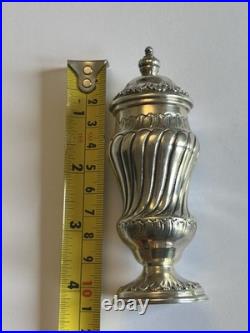
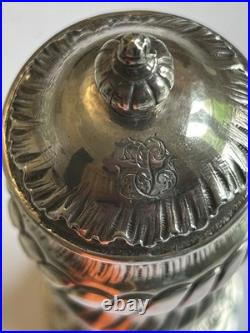
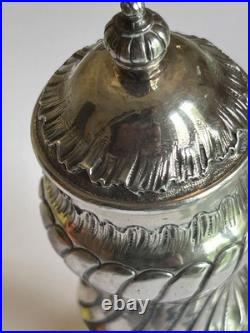
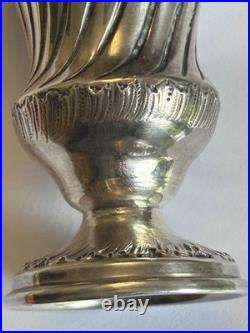
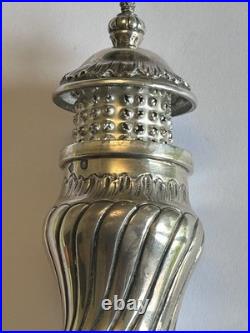
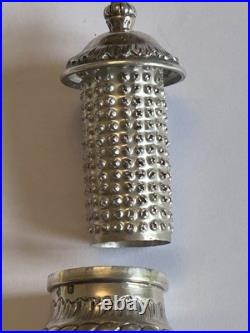
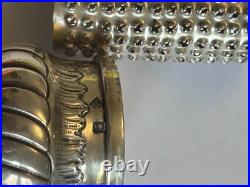
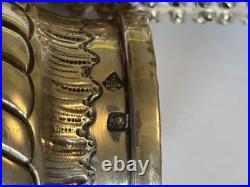
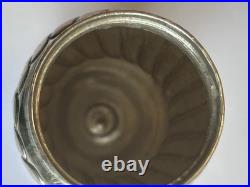
This antique silver nutmeg grater, shaped like an urn, hallmarks are limited so this may be an early continental piece. It showcases exquisite craftsmanship and attention to detail, making it a unique and decorative addition to any kitchen or collection. Its historical significance and high-quality material make it a valuable and cherished item for those who appreciate fine silverware.
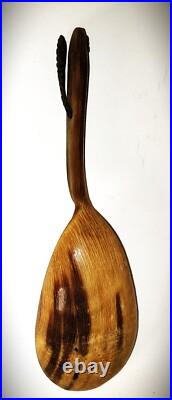
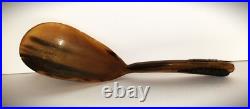
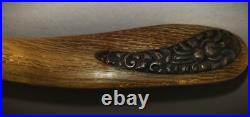
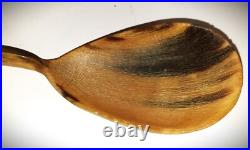
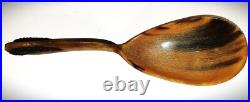
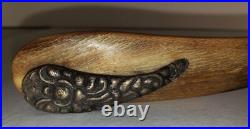
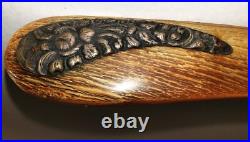
An Early Horn Paddle Welsh Spoon. Georgian, circa late 18th and early 19th century. Hand-made, hand-shaped; with sterling silver floral decoration to both sides of the handle. In good condition some were consistent with age, small edge chips to horn; sterling silver decoration loose on one side [see photos as they are part of the condition report]. Size at 11 x 3 inches.
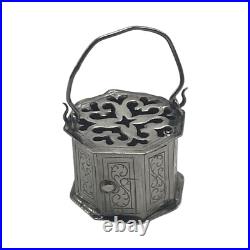
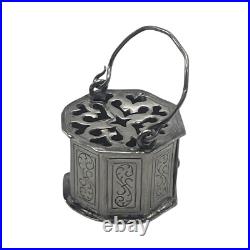
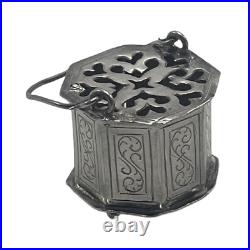
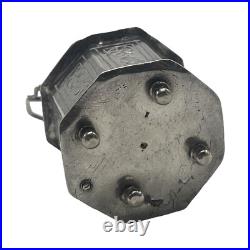
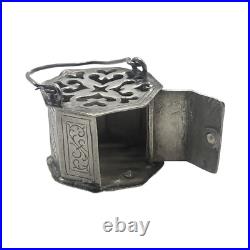
Description: A Very Rare Early Dutch Silver Novelty Miniature Brazier, c. Condition: Good condition, Minor surface wear, no dents or clear scratches (See Pictures). Size: 2.9cm hight. DISCOUNTS AVAILABLE ON MULTI-BUYS.
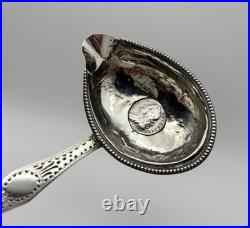
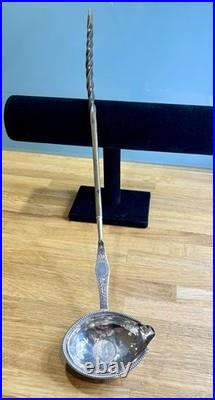
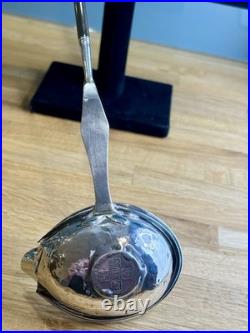
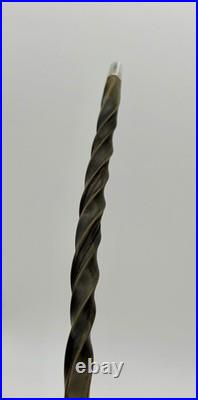
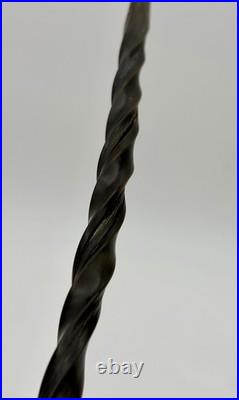
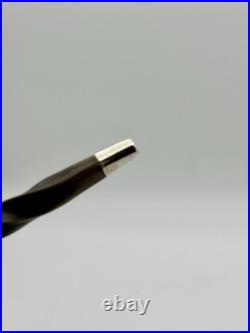
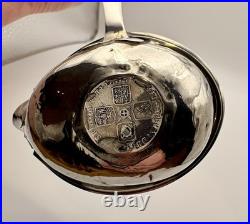
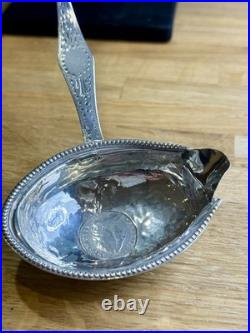
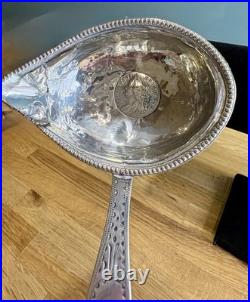
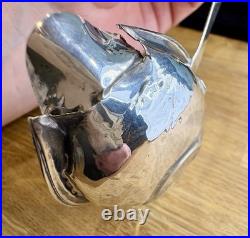
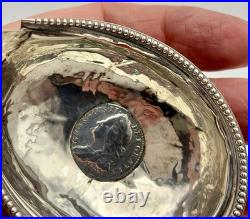
About the Baleen Handle: Baleen – historically known as whalebone – is not bone, but a natural keratin material taken from the mouths of Baleen whales. In the 18th century it was prized for its exceptional strength, flexibility and resistance to heat, making it ideal for hot-liquid serving implements such as toddy ladles. Its use firmly dates this piece to the Georgian period, as baleen largely disappeared from domestic production by the early 19th century. Surviving original baleen-handled examples are now increasingly scarce and highly sought after by collectors. This example qualifies fully under antique exemptions and is legal to sell as a pre-1947 historic object. Construction & Features The hand-raised white metal bowl is inset with a genuine George II silver halfcrown, a desirable decorative feature reflecting the period fashion for coin-set domestic wares. The bowl is finished with a fine applied beaded rim, giving visual weight and refinement. The long twisted baleen handle is fitted with a correct tubular silver metal ferrule, confirming original period construction rather than later replacement. At approximately 38.5cm in length, this is an impressively sized ladle with strong visual presence, ideal for display. Together these elements create a striking example of Georgian tavernware craftsmanship and early British drinking culture. Condition & Authenticity This is an original 18th century working object and retains honest signs of historic use. Period splits to either side of the pouring spout. Rim separation consistent with long-term hot liquid service (see photographs). Surface patina and tool marks consistent with hand manufacture These are typical survivorship features found on genuine toddy ladles and reflect the stresses of repeated hot punch use over nearly three centuries. Importantly:? No modern solder repairs? No reshaping? No artificial restoration? Original form retained The ladle is therefore offered as a collector and display piece, not for liquid service. Historical Context Toddy ladles were used to serve hot punch mixtures in Georgian Britain, a central feature of domestic entertaining and tavern culture. Examples with baleen handles and silver coin inserts were considered prestige household items and were often retained as heirlooms. Today they are collected for their craftsmanship, scarcity and strong connection to 18th century social history. 38.5cm. Offered as decorative collector’s piece.
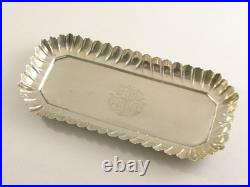
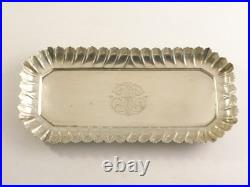
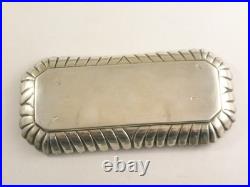
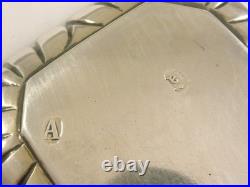
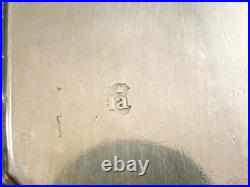
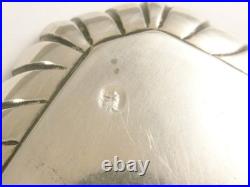
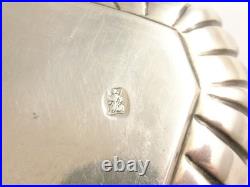
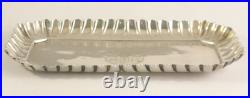
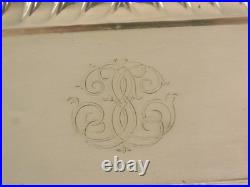
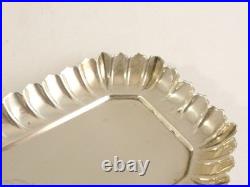
A Rare Early Georgian Britannia Silver PEN TRAY Hallmarked London 1716 Maker Ha. No splits or repairs. A couple of really tiny dings to the base. Not out of shape are really good hallmarked for it’s age. Initials as shown to the centre. I no longer send to the USA. 15.5cm x 7.0cm.
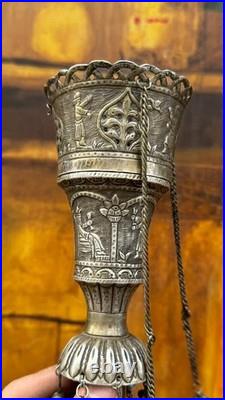
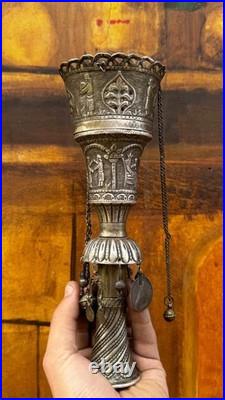
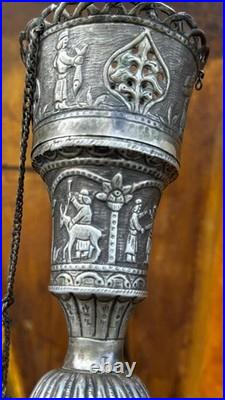
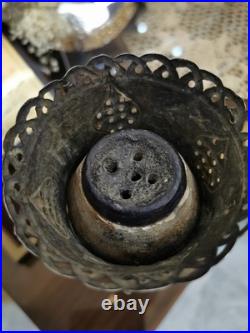
For sale is a rare and exquisite museum antique Persian hookah (shisha) pipe head, originating from Shiraz and dating to the early 19th century. This intricately handcrafted piece is made of solid silver and features ornate repoussé and chased designs depicting figures, animals, floral patterns, royal and symbolic motifs. The craftsmanship reflects the rich artistic heritage of Qajar-era Persia. Origin: Middle Eastern Shiraz, Persian. Date: Early 1800s (Qajar Period). Material: Solid silver with chain and hanging charms. Height: 10 Inches (25 CM) X 3.5 Inches at top (8.5 CM) and 1.8 inches at bottom. Condition: Very good antique condition with a beautiful patina; signs of use as expected from a piece of this age (see photos for details). Upper Chamber: Finely pierced rim with tree-of-life motifs flanked by human figures in traditional Persian attire, possibly depicting scenes of celebration or storytelling. Ornamental cut-outs and chased foliage give the top an airy, regal look. Middle Section: Adorned with narrative scenes including a mounted figure with a horn, and attendants holding fish and birds – potentially referencing prosperity or festivity. Lower Section: Features a fluted base with hanging chains, bells, and tokens – typical of ceremonial or noble hookahs used in elite gatherings. Interior: Perforated bowl for tobacco or herbal mixtures, showing signs of genuine historical use with darkened patina inside. This type of Persian silver hookah head is extremely rare, especially in such well-preserved condition. Often reserved for aristocracy or nobility, this item would have been a centrepiece in courtly gatherings or private salons of the elite during the Qajar period. Collectors of Islamic, Persian, or Middle Eastern antiques. Interior decorators seeking authentic antique pieces. Hookah enthusiasts and cultural historians. Loading...X