Tag: ware

Rare_Antique_Early_Victorian_Jackfield_Pottery_Black_Ware_Teapot_9_23cm_01_ky

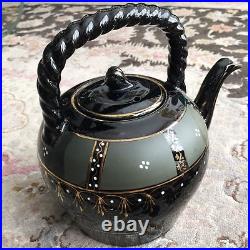
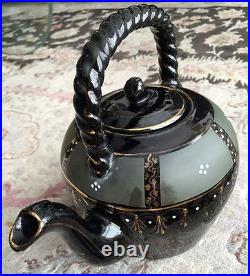
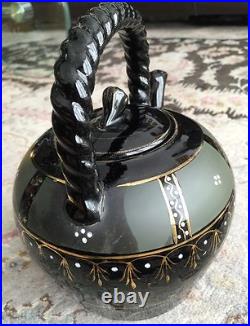
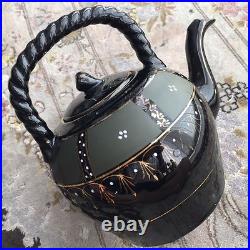
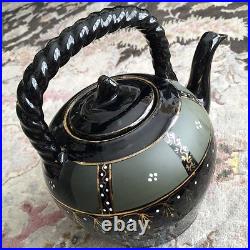
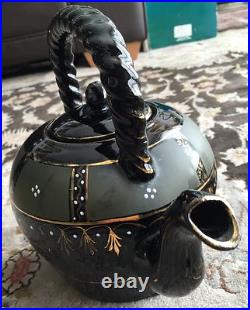
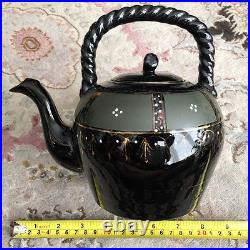
Rare Antique Early Victorian Jackfield Pottery Black Ware Teapot (9/23cm)

Rare Antique Early Victorian Jackfield Pottery Black Ware Teapot (9/23cm)

Rare Antique Early Victorian Jackfield Pottery Black Ware Teapot (9/23cm)
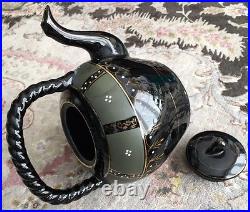
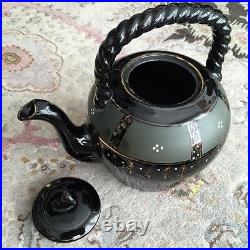
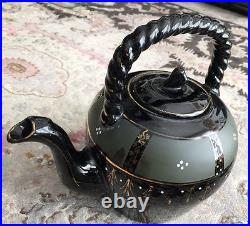
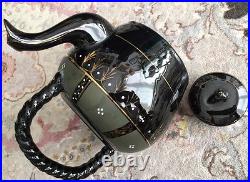
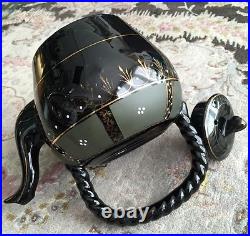
Very rare antique early English Victorian (pre 1850s) glazed Jackfield Pottery “Black Ware”ceramic teapot (approximately 9/23cm). In very good condition without any chips or cracks and minor crazing commensurate with age. This teapot is unusual in shape and colour and has been hand decorated and beautifully gold gilded. Around 175 years old. Beautiful signs of aging. Generally in exceptional condition. Please browse all 12 photographs attached for size and condition as they are self explanatory. Jackfield pottery marks are often minimal or absent on classic pieces, relying more on distinctive features like rich, glossy black glaze, reddish earthenware, gilding/enamel, and specific shapes (like three-footed items); marks, when present, are usually late Victorian or later, including factory names like Maw & Co. Or registration numbers (like Rd117962), as the original 18th-century production from Shropshire was largely unmarked. Key Identifying Features (Unmarked Pieces). Color & Glaze were usually deep, lustrous, almost metallic black glaze, sometimes with hints of purple or red. The body terracotta or reddish earthenware, appearing pale or buff in later periods and decoration faded oil gilding, cold enamels (pale blue/white), or slip designs (floral/foliate). Early items often have three feet or press molded. Unglazed or clear-glazed bases are common. Most authentic early Jackfield ware c. Later Victorian or revival pieces might bear factory names like Maw & Co. Many Staffordshire potters (like Thomas Whieldon) also made “Jackfield-type” ware. The original Jackfield, Shropshire, production peaked in the mid-18th century; later items are often “Jackfield-type” or revivals. Jackfield pottery, originating in Jackfield, Shropshire, England, from the 1713 founding by Richard Thursfield, is famous for its lustrous, highly vitrified black earthenware decorated with oil-gilded flowers and figures, mirroring Japanese lacquerware. While the original pottery thrived in the mid-18th century, the style saw revivals, with later production shifting heavily towards high-quality decorative tiles by companies like Craven Dunnill and Maw & Co, making Jackfield a significant center for tiles, including those used in famous buildings and the London Underground, with some production continuing today. Key Periods & Characteristics. The iconic black-glazed earthenware (Jackfield Ware) was made by the Thursfield family, sometimes featuring Jacobite inscriptions and oil-gilding. Potters like Thomas Whieldon in Staffordshire also made similar “Jackfield-type” wares, often with redder clay. Victorian Era (19th Century). Production expanded significantly into tiles, becoming a major global supplier of decorative tiles, including encaustic tiles. 20th Century & Beyond. The manufacturing, including Art Nouveau and Art Deco styles, continued until the 1970s, with specialist production for conservation and restoration (like for the Houses of Parliament) occurring even today. The village of Jackfield became a significant industrial hub for ceramics, supported by local clays, coal, and river transport on the River Severn. The history is preserved at the Jackfield Museum, part of the Ironbridge Gorge Museums in the UK.
Rare Antique Early Victorian Jackfield Pottery Black Ware Teapot (9/23cm)
RARE_TINY_ANTIQUE_EARLY_1800s_CHILD_S_MUG_YELLOW_WARE_ROCKINGHAM_MINT_01_ee

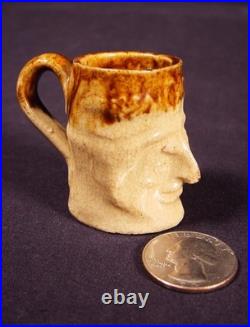
RARE TINY ANTIQUE EARLY 1800s CHILD’S MUG YELLOW WARE ROCKINGHAM MINT

RARE TINY ANTIQUE EARLY 1800s CHILD'S MUG YELLOW WARE ROCKINGHAM MINT

RARE TINY ANTIQUE EARLY 1800s CHILD'S MUG YELLOW WARE ROCKINGHAM MINT
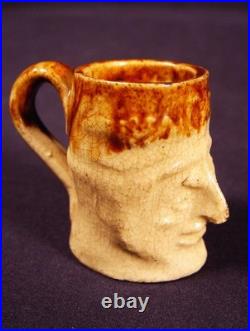
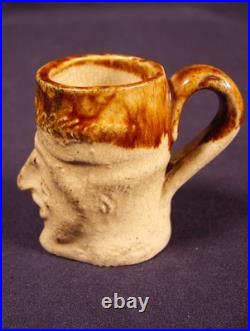
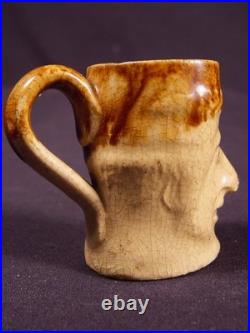
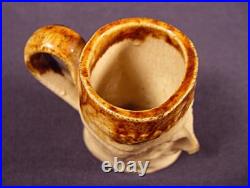
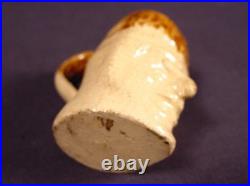
This is an interesting tiny child’s mug dating to the early 1800s. This form is known as a face mug and would have been. Made as novelty gift item for a child. I’ve seen other small face mugs but they have all been larger than this little fellow. Measuring only 1 ¾ high the mug is molded in the form of a man’s head. The rim is accented with Rockingham glaze. The mug is in its original condition no damage or repairs.
RARE TINY ANTIQUE EARLY 1800s CHILD'S MUG YELLOW WARE ROCKINGHAM MINT
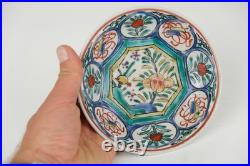
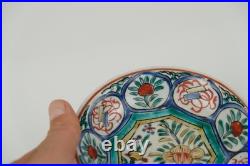
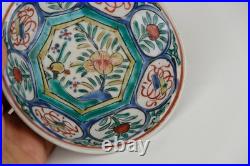
Rare_Early_japanese_Enamelled_ware_Arita_dish_17th_century_ca_1660_1680_perfect_01_ubbj

Rare Early japanese Enamelled ware Arita dish, 17th century ca 1660-1680 perfect

Rare Early japanese Enamelled ware Arita dish, 17th century ca 1660-1680 perfect

Rare Early japanese Enamelled ware Arita dish, 17th century ca 1660-1680 perfect
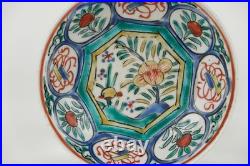
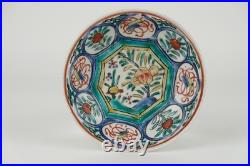
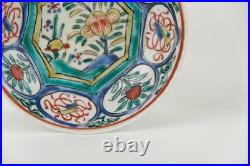
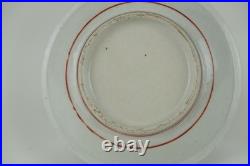
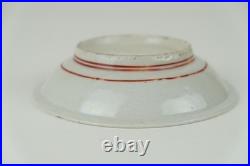
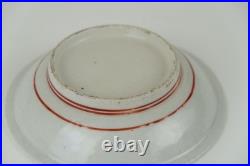
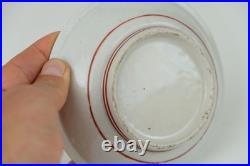
Amazing early japanese enamelled dish. Dating from the 17th/18th century. Beautiful decoration in kakiemon red, blue, green and yellow enamels. 14.8 cm diameter. This fine and rare dish is in perfect condition, the small imperfection in the rim is not a chip but is glased and occurred during the making process. Beautiful antique piece of japanese history. For a dish similar in style but lacking the yellow see Ashmolean Museum Oxford 1978.657. If you have a question please ask. _gsrx_vers_1723 GS 9.9.3 (1723).
Rare Early japanese Enamelled ware Arita dish, 17th century ca 1660-1680 perfect
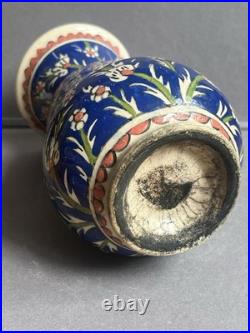
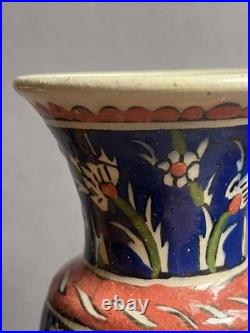
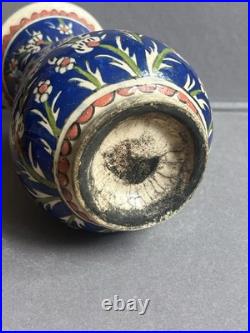
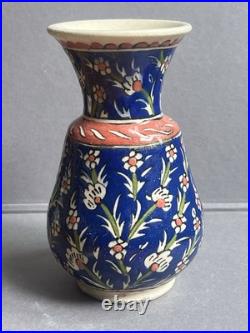
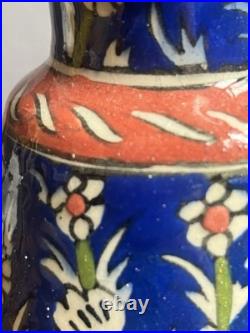
Antique_Ottoman_Iznik_ware_vase_late_19th_C_Early_20th_Century_Rare_01_pda

Antique Ottoman Iznik ware vase late 19th C Early 20th Century Rare

Antique Ottoman Iznik ware vase late 19th C Early 20th Century Rare

Antique Ottoman Iznik ware vase late 19th C Early 20th Century Rare
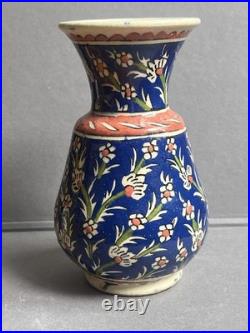
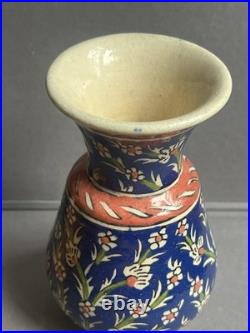
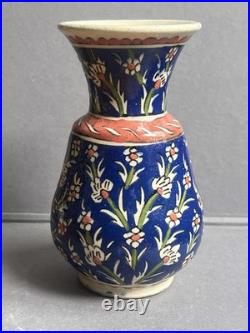
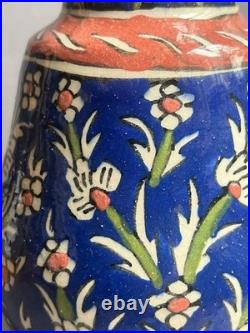
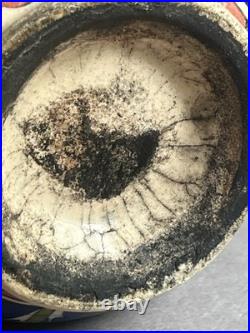
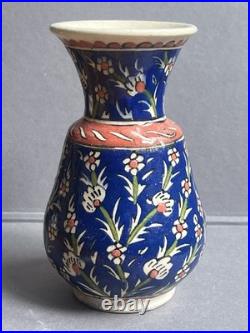
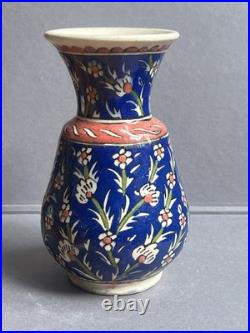
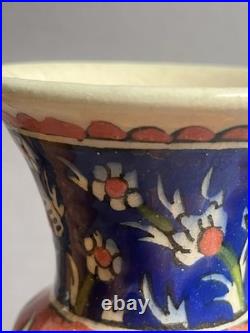
Antique Ottoman Iznik ware vase – late 19th C? – Early 20th Century? A beautiful iznik pottery vase measuring approx 6 inches tall, and painted with flower sprays. Looking at the base of the pot it has age. Im no expert in iznik pots but feel as it has a good amount of age it could be quite rare and sought after! Condition – is good, SEE PHOTOS.
Antique Ottoman Iznik ware vase late 19th C Early 20th Century Rare
RARE_ANTIQUE_EARLY_1800s_CREAMER_with_APPLIED_WHITE_FLOWERS_YELLOW_WARE_MINT_01_pk

RARE ANTIQUE EARLY 1800s CREAMER with APPLIED WHITE FLOWERS YELLOW WARE MINT

RARE ANTIQUE EARLY 1800s CREAMER with APPLIED WHITE FLOWERS YELLOW WARE MINT

RARE ANTIQUE EARLY 1800s CREAMER with APPLIED WHITE FLOWERS YELLOW WARE MINT
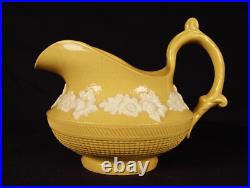
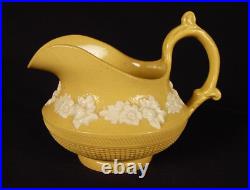
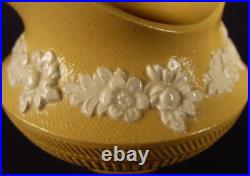
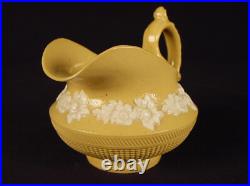
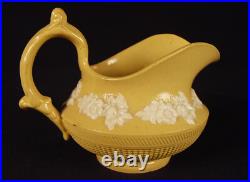
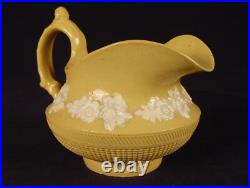
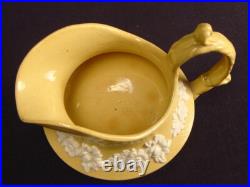
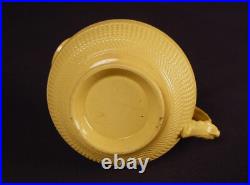
Dating to the early 1800s, this creamer is lovely and visually appealing. The creamer is finely detailed and molded with an applied band of white flowers around the side. The flowers were separately molded from white glazed clay and applied to the yellow ware body before it was fired. This decorative technique is known as sprigging. Measuring 3 to the top of the handle, the creamer survives in its original mint condition. Dating to 200 years old, this creamer does not appear in any of the books on yellow ware. Any advanced collector would be pleased to add this to their yellow ware collection.
RARE ANTIQUE EARLY 1800s CREAMER with APPLIED WHITE FLOWERS YELLOW WARE MINT
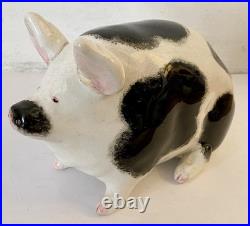
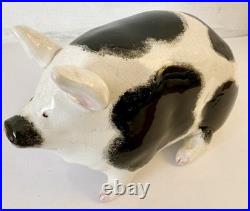
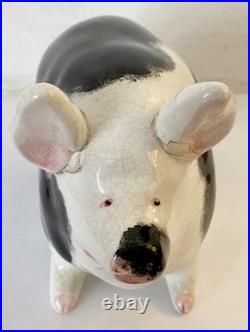
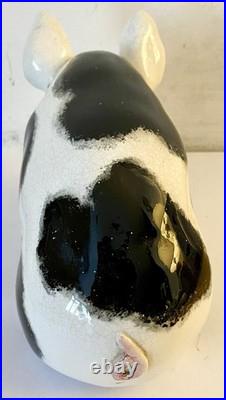
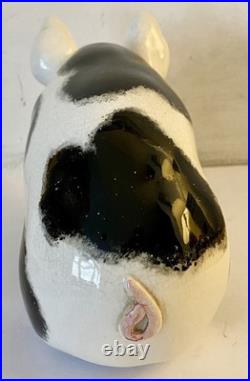
Rare_Antique_Wemyss_Ware_Small_Black_White_Pig_marked_Wemyss_c_1930_01_vem

Rare Antique Wemyss Ware Small Black & White Pig marked Wemyss c. 1930

Rare Antique Wemyss Ware Small Black & White Pig marked Wemyss c. 1930

Rare Antique Wemyss Ware Small Black & White Pig marked Wemyss c. 1930
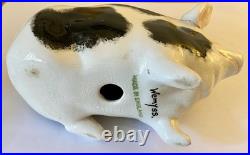
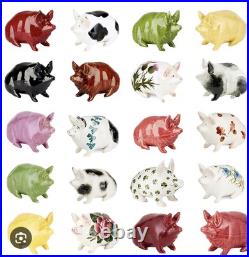
Rare Antique Wemyss Ware Small Black & White Pig marked Wemyss -c. A Rare Genuine Wemyss Pottery Pig. This splendid pottery pig is hand decorated by Joe Nekola with sponged black on white, hand painted mark’Wemyss’ to base in black. Good Condition- no chips, or cracks. It ears have been reattached many years ago – see photos to aid description. Joseph (Joe) Nekola was the son of Karel Nekola and joined the pottery in 1899. He spent two years in Buffalo, USA from 1910-12 before returning to the pottery for a short period. His final stint was between 1928 and 1930, when the factory closed. Joe negotiated the sale of the moulds etc. To the Bovey Tracey pottery in Devon and moved there to continue producing Wemyss Ware.
Rare Antique Wemyss Ware Small Black & White Pig marked Wemyss c. 1930
Antique_Rare_Dog_figurative_Flint_Old_Strike_To_Fire_Early_Metal_Ware_G19_83_01_lznb

Antique Rare Dog figurative Flint Old Strike To Fire Early Metal Ware G19-83

Antique Rare Dog figurative Flint Old Strike To Fire Early Metal Ware G19-83

Antique Rare Dog figurative Flint Old Strike To Fire Early Metal Ware G19-83
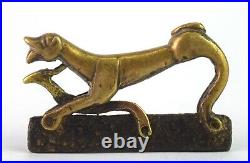
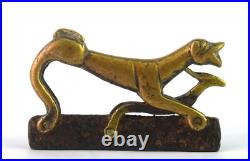
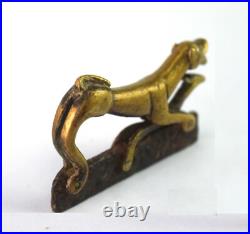
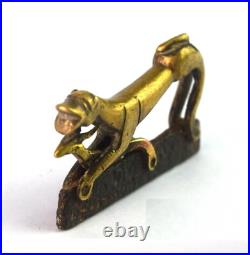
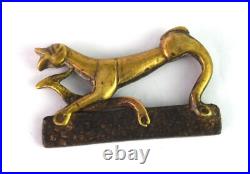
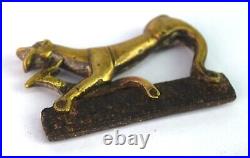
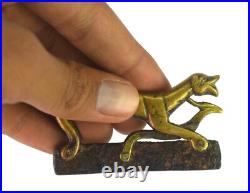
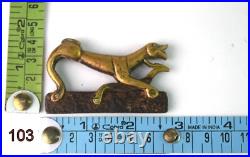
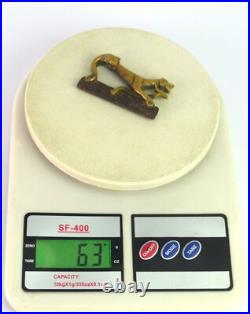
Antique Rare Dog figurative Flint Old Strike To Fire Early Metal Ware G19-83. This product data sheet is originally written in English. Welcome to Global Art Antiques. Very Unique Dog Shape Hand-Forged Strike To Fire Original Rare To Find Very Beautiful Style Antique Old Early Heavy Duty Metal Ware. What Is Flint Fire Strike? When Struck Against Steel\Iron, Flint Edge Will Produce Sparks. The Hard Flint Edge Shaves Off A Particle Of The Steel That Exposes Iron Which Reacts With Oxygen From The Atmosphere And Can Ignite The Proper Tinder. Great Piece To use!! Beautiful Décor, Personal Gifting. Beautiful Art Piece In Nice Decorative Shape. Ready To Be Part Of Your Collection. Treat For Vintage Art Lovers. Please Check Our Other Items Also!! New Items Being Listed Daily In Our Page!! 6.5 X 1 X 4 (L X B X H) Cms Approx. 2.5 X 0.4 X 1.5 (L X B X H) Inches Approx. 0.138 Lbs (Pounds) Approx. Note: We Provide Weight And Size In Digital Photos Also; Photos Are Major Part Of The Listing, So Please See All Images Carefully. Please contact me before you return it. Please do not leave a negative or neutral feedback or open case without the communication, because we will do our best to solve the problem for you. The Hard Flint Edge Shaves Off A Particle Of The Steel That Exposes Iron Which Reacts With Oxygen From The Atmosphere And Can Ignite The Proper Tinder Great Piece To use!! 6.5 X 1 X 4 (L X B X H) Cms.
Antique Rare Dog figurative Flint Old Strike To Fire Early Metal Ware G19-83
RARE_ANTIQUE_EARLY_1800s_BAMBOO_GAME_DISH_with_LID_CANE_CANEWARE_YELLOW_WARE_01_as

RARE ANTIQUE EARLY 1800s BAMBOO GAME DISH with LID CANE CANEWARE YELLOW WARE

RARE ANTIQUE EARLY 1800s BAMBOO GAME DISH with LID CANE CANEWARE YELLOW WARE

RARE ANTIQUE EARLY 1800s BAMBOO GAME DISH with LID CANE CANEWARE YELLOW WARE
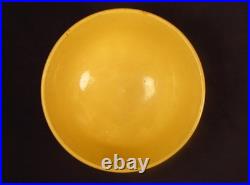
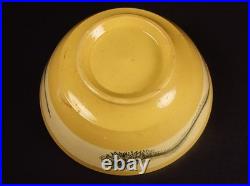
Here we have a rarely found game dish dating to the early 1800s. This is finely molded with the raised relief bamboo stalks decorating the base and lid. This pattern was influenced by pottery imported from China during the early 1800s. This yellow ware form is referred to as cane with only the inside of the base being glazed. This allows for the great molded detail that would not be as prominent if the surface was glazed. The game dish measures 3″ in height and 4 ¾”in width. The game dish is in mint condition with no damage or repairs and the lid has only chips on the underside that don’t detract. The underside of the lid is impressed with the patent number and the bottom of the dish has a raised letter “B”. This is a pattern very rarely found and is highly collectable.
RARE ANTIQUE EARLY 1800s BAMBOO GAME DISH with LID CANE CANEWARE YELLOW WARE
EXTREMELY_RARE_ANTIQUE_EARLY_1800s_BLUE_BLACK_WHITE_BAND_MUG_YELLOW_WARE_MINT_01_nza

EXTREMELY RARE ANTIQUE EARLY 1800s BLUE BLACK &WHITE BAND MUG YELLOW WARE MINT

EXTREMELY RARE ANTIQUE EARLY 1800s BLUE BLACK &WHITE BAND MUG YELLOW WARE MINT

EXTREMELY RARE ANTIQUE EARLY 1800s BLUE BLACK &WHITE BAND MUG YELLOW WARE MINT
Here we have an early 1800s stunning yellow ware mug. This mug is attractively decorated. With blue, white and black bands and is molded with a warm yellow clay that nicely contrasts nicely with the glazed bands. This mug is very desirable and finely molded with a nicely formed stepped foot with delicately molded raised bands and an applied strap handle. Measuring 3 ¾” in height by 4″ wide across the rim, this mug survives in its original mint condition with no damage or repairs. This is an extremely rare find that would enhance and be highly prized in any yellow ware or country collection.
EXTREMELY RARE ANTIQUE EARLY 1800s BLUE BLACK &WHITE BAND MUG YELLOW WARE MINT
Rare_Antique_Wemyss_Ware_Small_Black_White_Pig_marked_Wemyss_c_1930_01_li

Rare Antique Wemyss Ware Small Black & White Pig marked Wemyss c. 1930

Rare Antique Wemyss Ware Small Black & White Pig marked Wemyss c. 1930

Rare Antique Wemyss Ware Small Black & White Pig marked Wemyss c. 1930
Rare Antique Wemyss Ware Small Black & White Pig marked Wemyss – Post 1930. A Rare Genuine Wemyss Pottery Pig. This splendid pottery pig is hand decorated by Joe Nekola with sponged black on white, hand painted mark’Wemyss’ to base in black. Very Good Condition- no chips, cracks or restoration but has usual crazing to glaze typical of Wemyss and a tiny bit of glaze toss to his right ear (see photos to aid description). Joseph (Joe) Nekola was the son of Karel Nekola and joined the pottery in 1899. He spent two years in Buffalo, USA from 1910-12 before returning to the pottery for a short period. His final stint was between 1928 and 1930, when the factory closed. Joe negotiated the sale of the moulds etc. To the Bovey Tracey pottery in Devon and moved there to continue producing Wemyss Ware.
Rare Antique Wemyss Ware Small Black & White Pig marked Wemyss c. 1930
Loading...
X