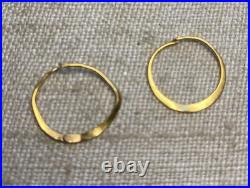
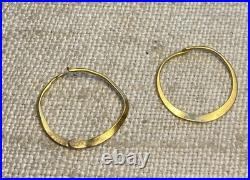
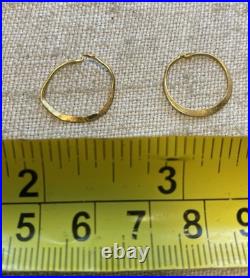
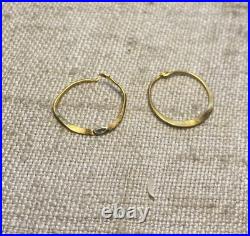
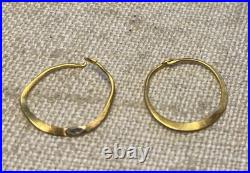
Found these in a Connecticut antique shop in 1985. They are very rare gold sailor earrings. They were listed that they were from London Connecticut. They are 18k/24k gold. They are soft and light. One earring has a small solder on the lower hoop. This was common as the gold could break easily. They say that sailor earrings were worn by sailors so if they died or washed up on shore the gold earrings would pay for their burial.
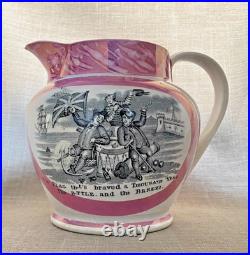
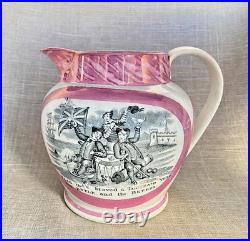
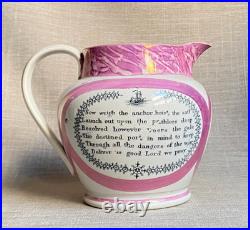
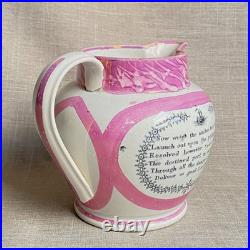
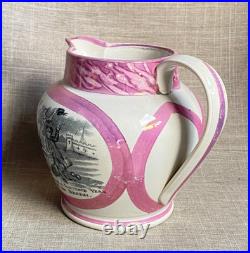
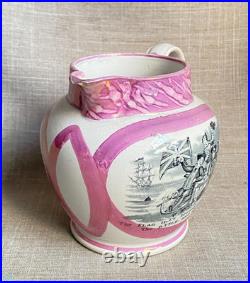
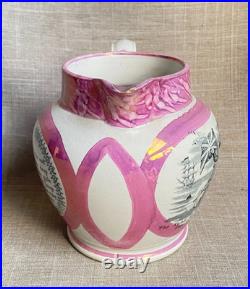
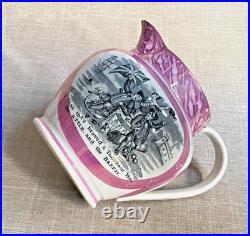
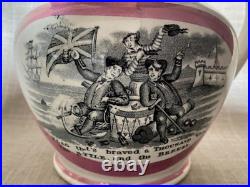
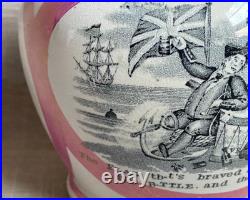
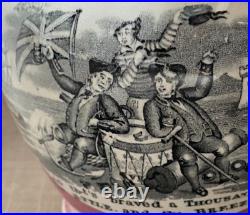
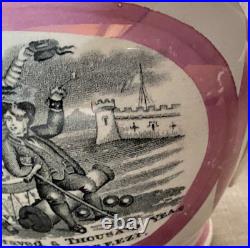
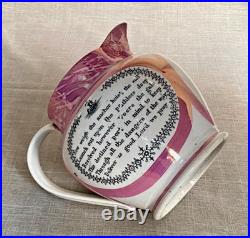
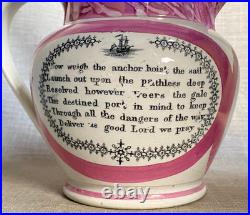
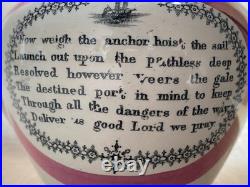
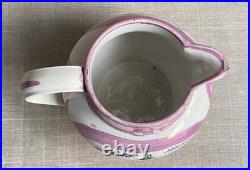
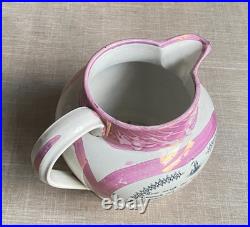
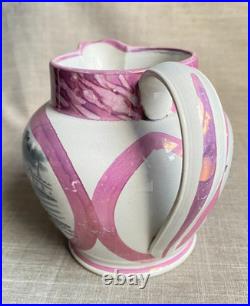
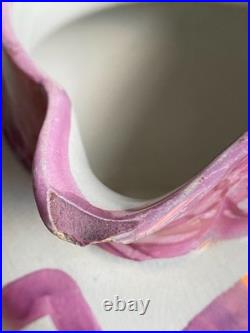
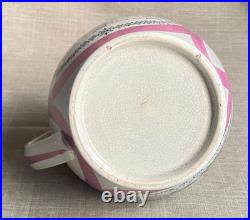
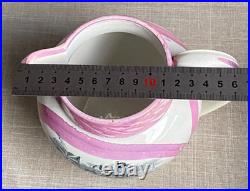
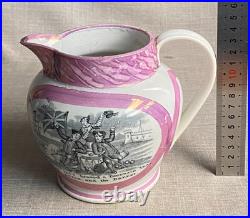
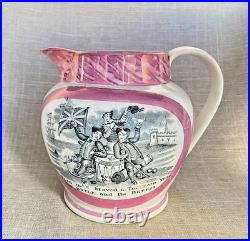
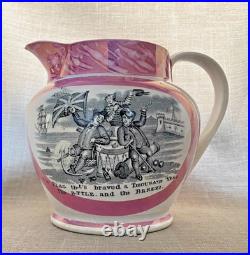
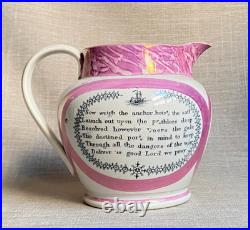
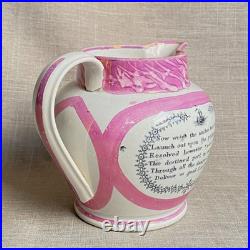
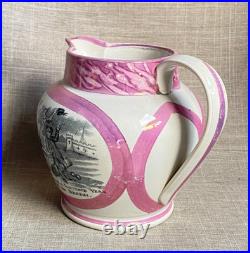
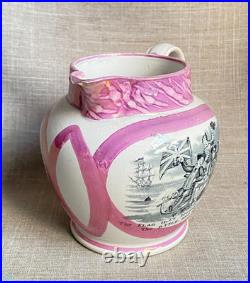
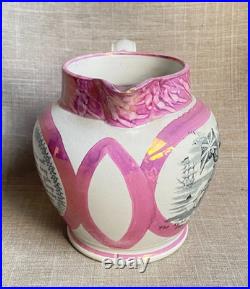
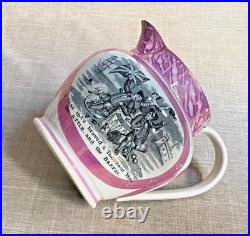
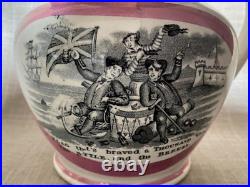
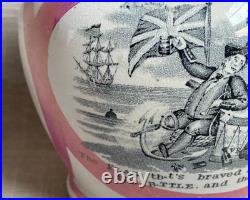
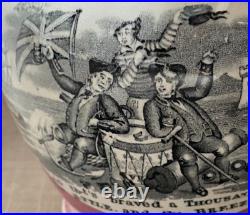
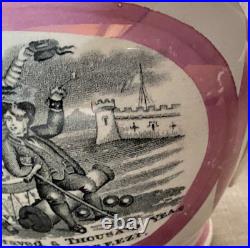
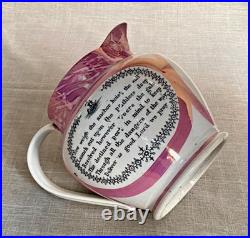
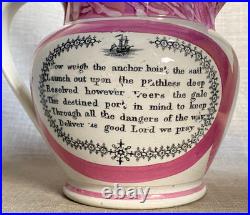
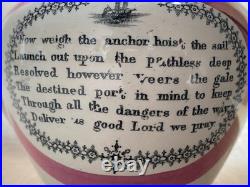
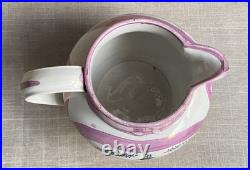
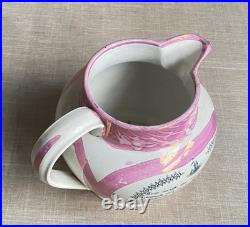
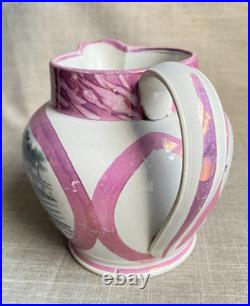
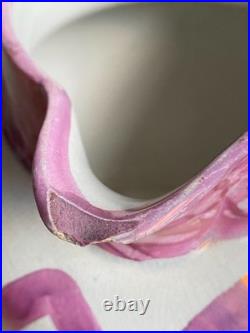
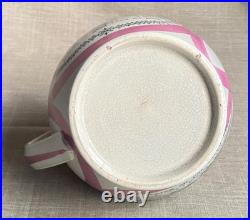
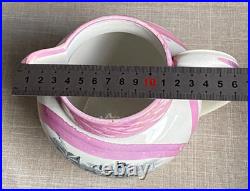
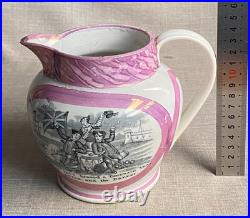
Antique Rare c1816 Sunderland Pink Lustre Jug Early Scott Version Union Jack Peg Leg Sailors Toasting. A rare and highly evocative Sunderland pink lustre jug dating to circa 1816, produced during the earliest and most desirable period of North East English commemorative ceramics. Crafted in creamware and richly decorated with hand-applied pink lustre, this jug belongs to a particularly small and sought-after group of early “Scott Version” wares, created in the years immediately following the Napoleonic Wars when patriotic sentiment and romantic maritime literature were at their height. One side is printed with a mariner’s verse known to collectors as the Scott Version, a poetic variant influenced by the literary style popularised by Sir Walter Scott and his contemporaries. The wording differs from the more commonly encountered Sunderland verses of later decades, adopting a ballad-like cadence that reflects themes of faith, fate, and divine protection at sea. Framed within a delicate floral border, the verse remains clear and legible, functioning both as decoration and as a devotional prayer intended to safeguard sailors on their voyages. The opposing side features a lively and unusually detailed sailor scene that is rarely encountered at this early date. A group of sailors are shown toasting, smoking pipes, and celebrating around a drum in a moment of camaraderie and relief. One figure is depicted with a peg leg, an especially atmospheric and poignant detail that adds narrative depth and realism, hinting at the personal cost of naval service. Most striking of all, the merry trio of’jack-tars’ are shown posing proudly against a raised Union Jack, a rarely portrayed motif. This celebratory image strongly situates the jug in the immediate post-war period, evoking relief, victory, and national pride following Britain’s naval successes. The imagery resonates closely with the spirit of contemporary patriotic verse, including Thomas Campbell’s celebrated 1801 poem “Ye Mariners of England, ” which glorified the endurance of the British flag and navy. The combination of verse, imagery, and lustre decoration places this jug firmly within the earliest lineage of this transfer tradition, predating the later Crimean War revival of similar motifs and making it significantly rarer than most surviving examples. The jug is further enhanced by its high-quality pink “splash” lustre, applied in a soft, cloud-like marbling rather than the heavier blotching seen on later or lesser wares. The lustre wraps the rim, handle, and spout with a vivid metallic iridescence, indicating a refined and carefully executed production. The form itself is robust and well balanced, with a shaped pouring spout and a gracefully curved handle, and it displays subtle glaze patina and hand-finished character consistent with genuine early 19th-century manufacture. The lustre retains excellent depth of colour and sheen, with only minor surface wear consistent with age. The transfer prints remain crisp and well defined, a notable survival for a jug of this period. Sunderland lustre jugs that combine an early Scott-inspired verse with a celebratory maritime scene, a peg-leg sailor, and the rare inclusion of the Union Jack are exceptionally scarce. Originally intended as functional household wares and sentimental keepsakes, they are now prized as works of folk art and as tangible records of Britain’s maritime, literary, and social history. This jug displays beautifully as a standalone decorative object and represents a particularly strong and characterful example of early Sunderland lustreware at its finest. W 16cm across the handle, H c.
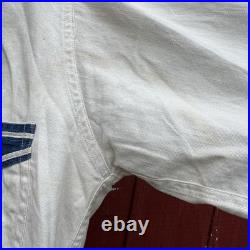
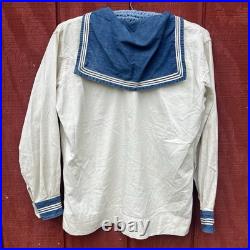
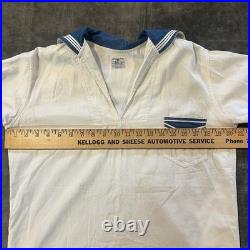
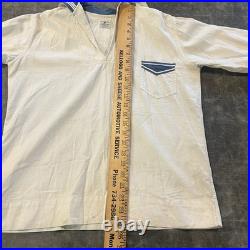
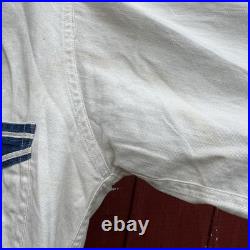
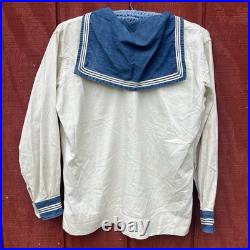
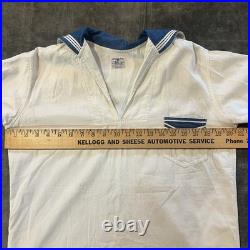
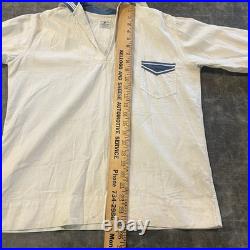
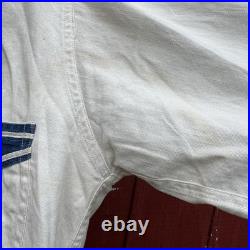
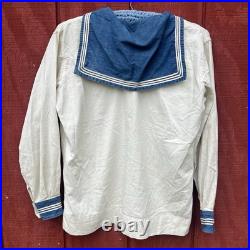
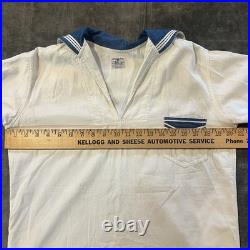
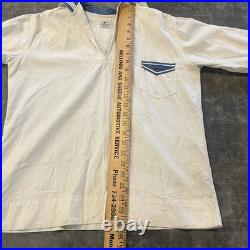
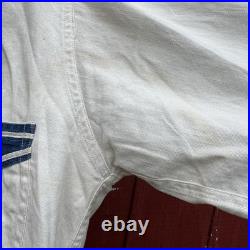
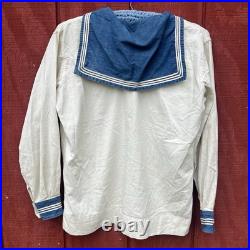
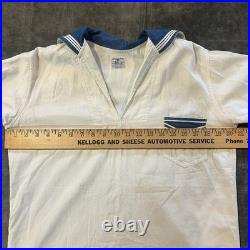
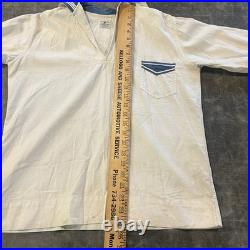
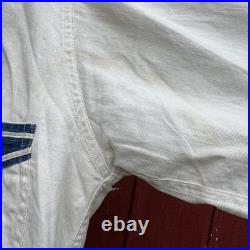
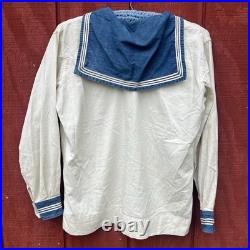
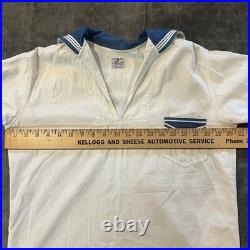
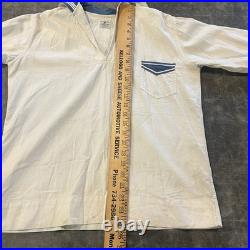
Blouse is in good condition for its age. Some wear and tear, as well as some stains. See photos for more details. Pit to pit is 20.5 inches. Length is 24 inches. Shoulder width is 17 inches. Sleeve length is 21 inches.
Blouse is in good condition for its age. Some wear and tear, as well as some stains. See photos for more details. Pit to pit is 20.5 inches. Length is 24 inches. Shoulder width is 17 inches. Sleeve length is 21 inches.
Blouse is in good condition for its age. Some wear and tear, as well as some stains. See photos for more details. Pit to pit is 20.5 inches. Length is 24 inches. Shoulder width is 17 inches. Sleeve length is 21 inches.
Antique Rare c1816 Sunderland Pink Lustre Jug Early Scott Version Union Jack Peg Leg Sailors Toasting. A rare and highly evocative Sunderland pink lustre jug dating to circa 1816, produced during the earliest and most desirable period of North East English commemorative ceramics. Crafted in creamware and richly decorated with hand-applied pink lustre, this jug belongs to a particularly small and sought-after group of early “Scott Version” wares, created in the years immediately following the Napoleonic Wars when patriotic sentiment and romantic maritime literature were at their height. One side is printed with a mariner’s verse known to collectors as the Scott Version, a poetic variant influenced by the literary style popularised by Sir Walter Scott and his contemporaries. The wording differs from the more commonly encountered Sunderland verses of later decades, adopting a ballad-like cadence that reflects themes of faith, fate, and divine protection at sea. Framed within a delicate floral border, the verse remains clear and legible, functioning both as decoration and as a devotional prayer intended to safeguard sailors on their voyages. The opposing side features a lively and unusually detailed sailor scene that is rarely encountered at this early date. A group of sailors are shown toasting, smoking pipes, and celebrating around a drum in a moment of camaraderie and relief. One figure is depicted with a peg leg, an especially atmospheric and poignant detail that adds narrative depth and realism, hinting at the personal cost of naval service. Most striking of all, the merry trio of’jack-tars’ are shown posing proudly against a raised Union Jack, a rarely portrayed motif. This celebratory image strongly situates the jug in the immediate post-war period, evoking relief, victory, and national pride following Britain’s naval successes. The imagery resonates closely with the spirit of contemporary patriotic verse, including Thomas Campbell’s celebrated 1801 poem “Ye Mariners of England, ” which glorified the endurance of the British flag and navy. The combination of verse, imagery, and lustre decoration places this jug firmly within the earliest lineage of this transfer tradition, predating the later Crimean War revival of similar motifs and making it significantly rarer than most surviving examples. The jug is further enhanced by its high-quality pink “splash” lustre, applied in a soft, cloud-like marbling rather than the heavier blotching seen on later or lesser wares. The lustre wraps the rim, handle, and spout with a vivid metallic iridescence, indicating a refined and carefully executed production. The form itself is robust and well balanced, with a shaped pouring spout and a gracefully curved handle, and it displays subtle glaze patina and hand-finished character consistent with genuine early 19th-century manufacture. The lustre retains excellent depth of colour and sheen, with only minor surface wear consistent with age. The transfer prints remain crisp and well defined, a notable survival for a jug of this period. Sunderland lustre jugs that combine an early Scott-inspired verse with a celebratory maritime scene, a peg-leg sailor, and the rare inclusion of the Union Jack are exceptionally scarce. Originally intended as functional household wares and sentimental keepsakes, they are now prized as works of folk art and as tangible records of Britain’s maritime, literary, and social history. This jug displays beautifully as a standalone decorative object and represents a particularly strong and characterful example of early Sunderland lustreware at its finest. W 16cm across the handle, H c.
Blouse is in good condition for its age. Some wear and tear, as well as some stains. See photos for more details. Pit to pit is 20.5 inches. Length is 24 inches. Shoulder width is 17 inches. Sleeve length is 21 inches.
Blouse is in good condition for its age. Some wear and tear, as well as some stains. See photos for more details. Pit to pit is 20.5 inches. Length is 24 inches. Shoulder width is 17 inches. Sleeve length is 21 inches.
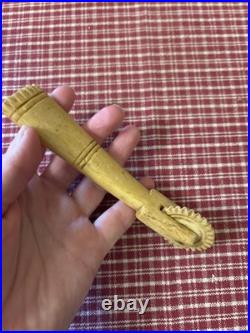
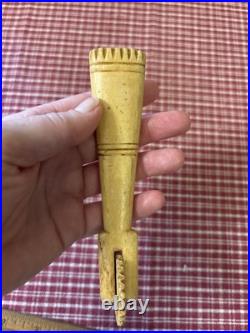
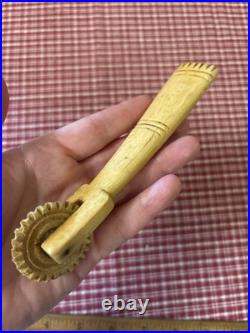
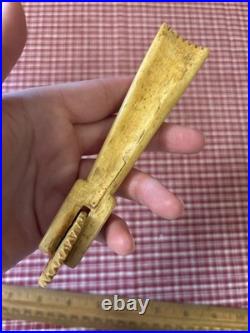
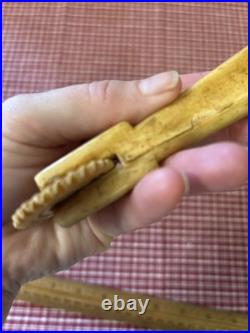
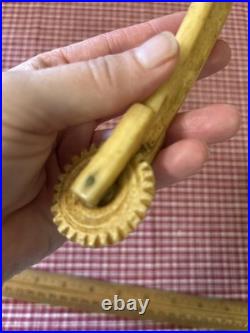
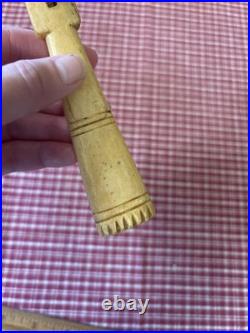
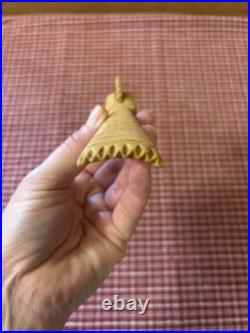
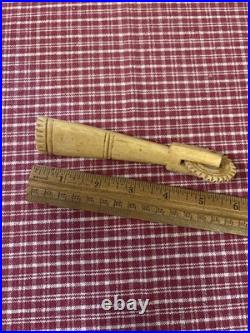
For this sake I have a wonderful early 19th century pie crimper. Made I believe from bone with a thick handle. It is so well made, and I believe it is a sailor made piece. It is double ended, with the wheel at one end and a curved crimped edge at the handle tip. It measures 5 3/4 inches long. It has some nice incised line decoration, adding to the charm of the piece. Rare to be double ended and made from bone, it is in excellent condition, and is a nice piece of early folk art!
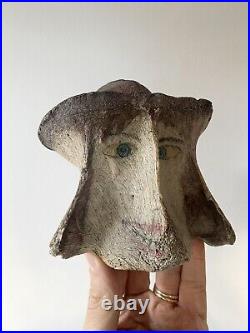
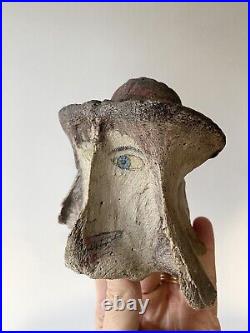
Rare And Very Naive Early 19th Century Sailor Folk Art Painting. The Image Depicts The Face Of A Person, Believed To Be A Naval Gentleman In Associated Hat. I’ve Seen A Few Pieces Like This In My Time, But They’ve Always Depicted The Preacher John Wesley. This Is A Rare One Indeed. Will Appeal To Those Who Collect Maritime And Seafaring Items, Folk Art And Obscure Curiosities. It Displays Beautifully Too. Measures 12cm (H) x 11cm (W) Weighs 251.44 grams.
Loading...X