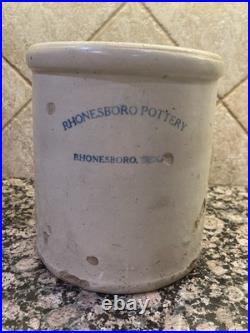
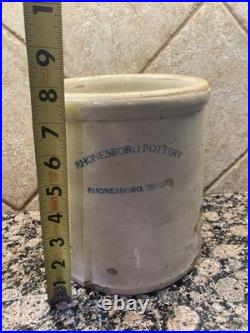
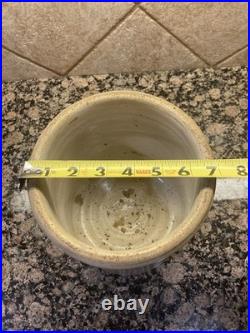
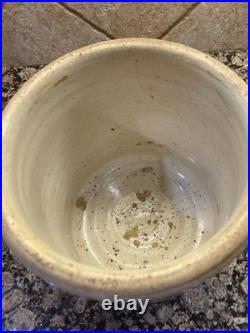
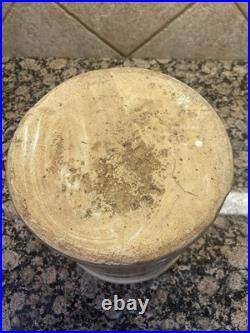
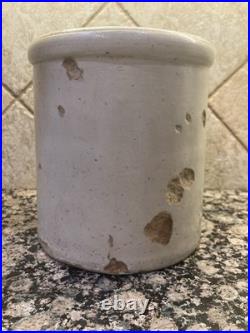
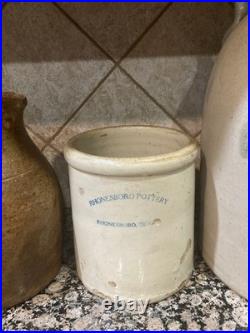
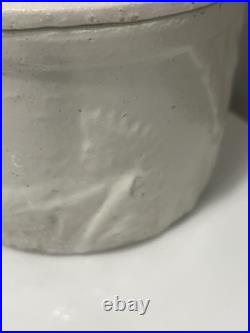
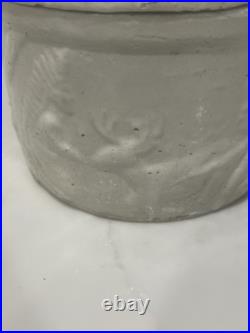
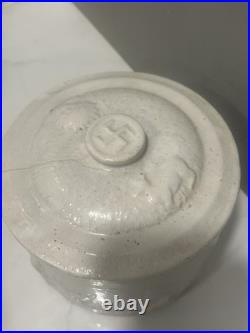
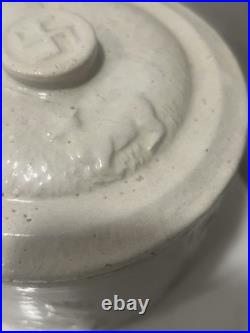
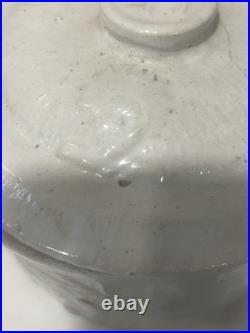
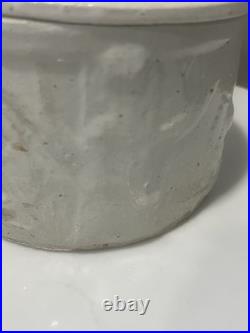
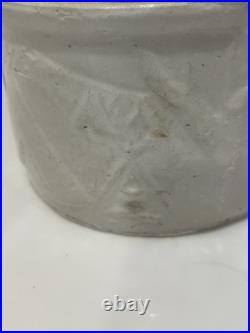
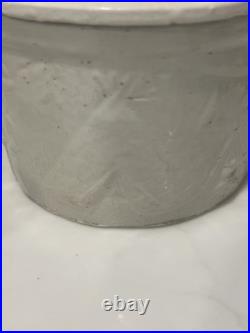
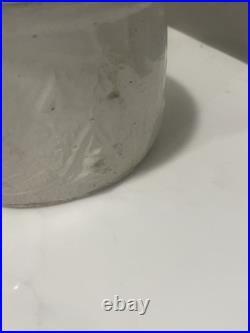
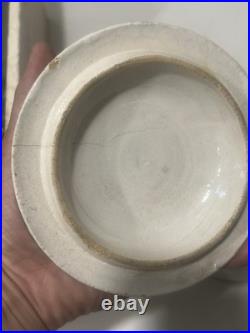
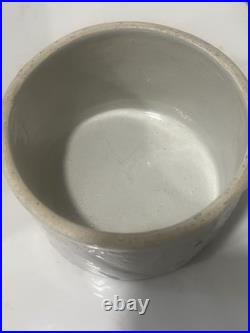
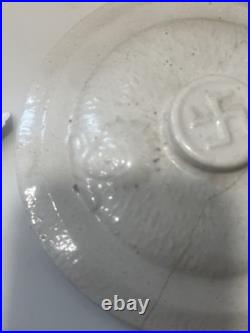
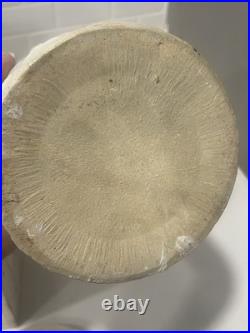
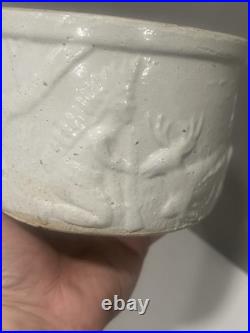
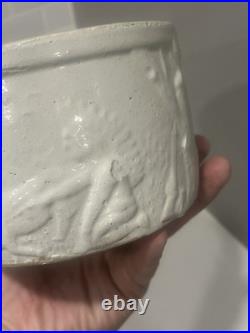
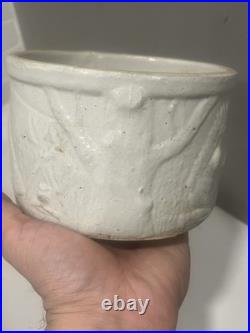
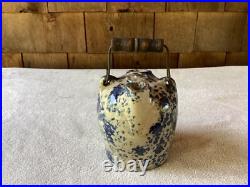
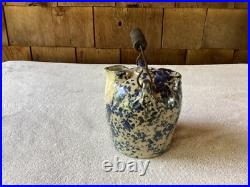
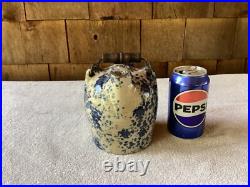
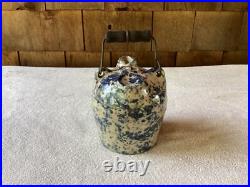
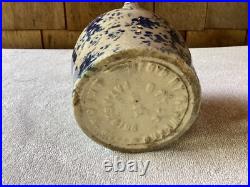
A one gallon East Texas Rhonesboro Pottery with Blowouts or Pop-Outs small craters where chunks of clay popped out during firing. This happened if the local East Texas Wilcox clay contained small pebbles or air pockets that exploded under extreme heat. This does not compromises structural integrity. Also, the crock has some chips on the bottom edge and a small hair line too. The pottery has a early Bristol glaze. Rhonesboro Pottery had two periods, the first operated from 1900 – 1915, and included potter John Cranston. Early Rhonesboro pieces are sometimes stamped directly with the company name or capacity numbers. However, most items tracking into the Byrd era are entirely unmarked. Collectors must routinely identify them by their thick, heavy weight, shape, and specific glaze applications. Today, authenticated Rhonesboro pieces are highly sought-after specimens of Texas pottery. In, 1935, Byrd move the company to Tlyer, Texas. This information is from online.
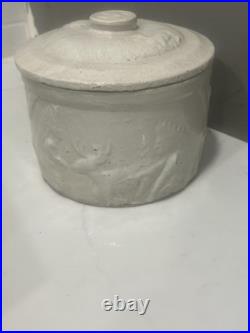
Antique McCoy stoneware butter crock. Deer and Indian pattern. Comes with original lid which is almost always gone. Lid has hairline crack. Piece has some minor damage and color loss but overall still a cool find! Measures about 5″ tall with lid and 5.5″ across.
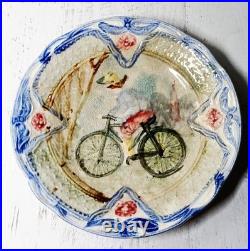
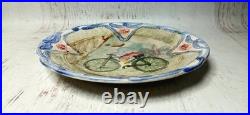
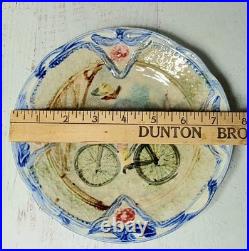
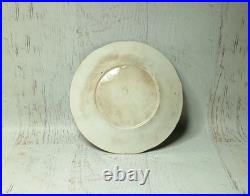
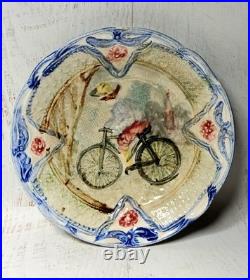
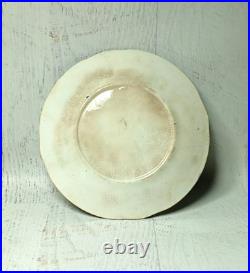
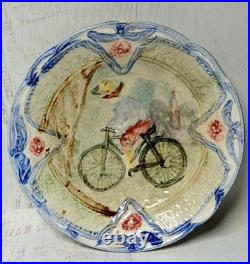
7 1/2 across is this rare early original pottery majolica bicycle w rider plate. Slight staining, no cracks, few flea bites on edge, can find no markings.
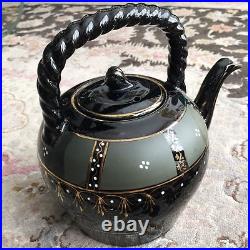
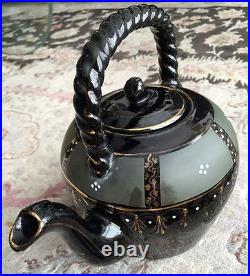
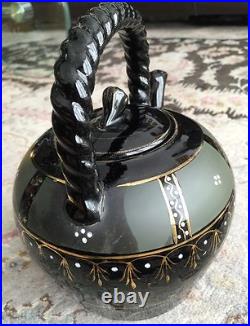
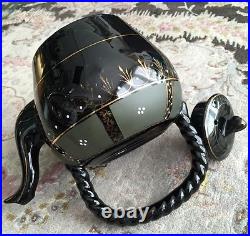
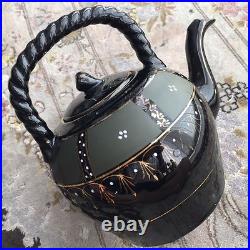
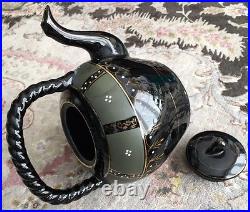
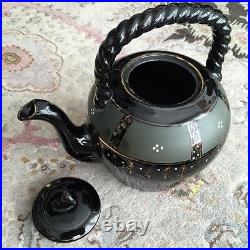
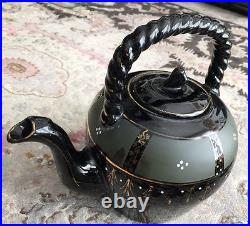
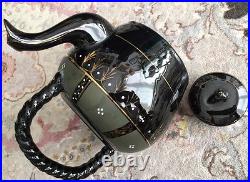
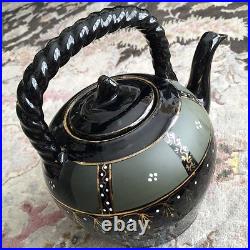
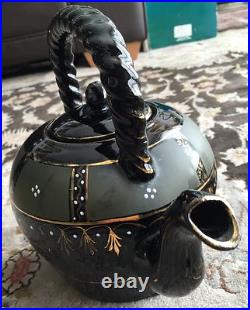
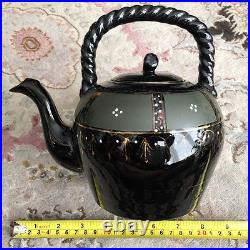
Very rare antique early English Victorian (pre 1850s) glazed Jackfield Pottery “Black Ware”ceramic teapot (approximately 9/23cm). In very good condition without any chips or cracks and minor crazing commensurate with age. This teapot is unusual in shape and colour and has been hand decorated and beautifully gold gilded. Around 175 years old. Beautiful signs of aging. Generally in exceptional condition. Please browse all 12 photographs attached for size and condition as they are self explanatory. Jackfield pottery marks are often minimal or absent on classic pieces, relying more on distinctive features like rich, glossy black glaze, reddish earthenware, gilding/enamel, and specific shapes (like three-footed items); marks, when present, are usually late Victorian or later, including factory names like Maw & Co. Or registration numbers (like Rd117962), as the original 18th-century production from Shropshire was largely unmarked. Key Identifying Features (Unmarked Pieces). Color & Glaze were usually deep, lustrous, almost metallic black glaze, sometimes with hints of purple or red. The body terracotta or reddish earthenware, appearing pale or buff in later periods and decoration faded oil gilding, cold enamels (pale blue/white), or slip designs (floral/foliate). Early items often have three feet or press molded. Unglazed or clear-glazed bases are common. Most authentic early Jackfield ware c. Later Victorian or revival pieces might bear factory names like Maw & Co. Many Staffordshire potters (like Thomas Whieldon) also made “Jackfield-type” ware. The original Jackfield, Shropshire, production peaked in the mid-18th century; later items are often “Jackfield-type” or revivals. Jackfield pottery, originating in Jackfield, Shropshire, England, from the 1713 founding by Richard Thursfield, is famous for its lustrous, highly vitrified black earthenware decorated with oil-gilded flowers and figures, mirroring Japanese lacquerware. While the original pottery thrived in the mid-18th century, the style saw revivals, with later production shifting heavily towards high-quality decorative tiles by companies like Craven Dunnill and Maw & Co, making Jackfield a significant center for tiles, including those used in famous buildings and the London Underground, with some production continuing today. Key Periods & Characteristics. The iconic black-glazed earthenware (Jackfield Ware) was made by the Thursfield family, sometimes featuring Jacobite inscriptions and oil-gilding. Potters like Thomas Whieldon in Staffordshire also made similar “Jackfield-type” wares, often with redder clay. Victorian Era (19th Century). Production expanded significantly into tiles, becoming a major global supplier of decorative tiles, including encaustic tiles. 20th Century & Beyond. The manufacturing, including Art Nouveau and Art Deco styles, continued until the 1970s, with specialist production for conservation and restoration (like for the Houses of Parliament) occurring even today. The village of Jackfield became a significant industrial hub for ceramics, supported by local clays, coal, and river transport on the River Severn. The history is preserved at the Jackfield Museum, part of the Ironbridge Gorge Museums in the UK.
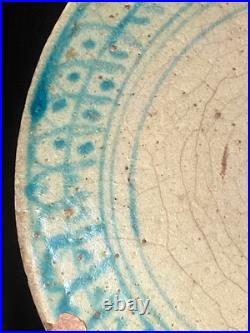
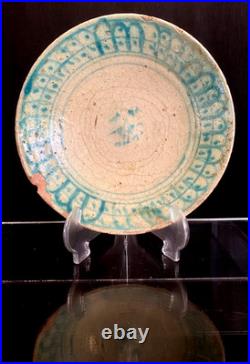
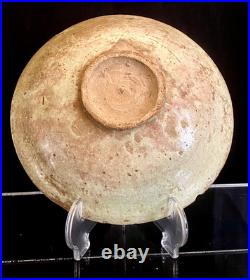
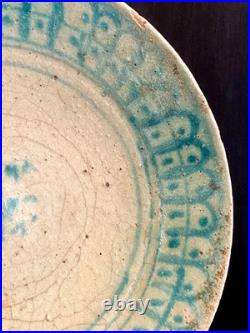
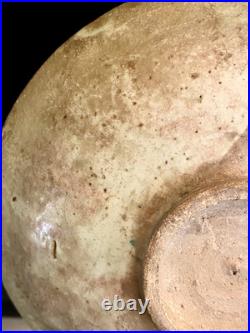
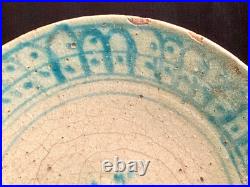
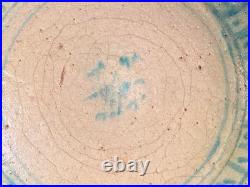
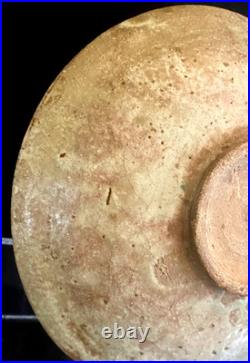
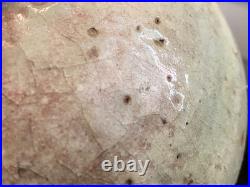
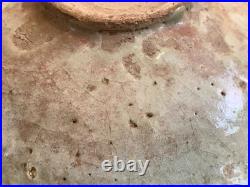
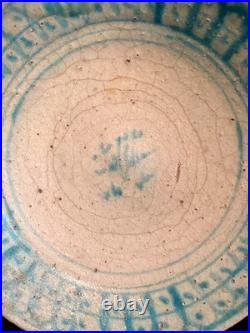
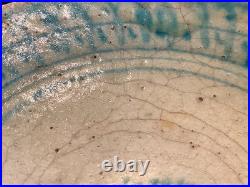
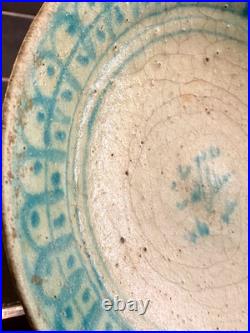
East Early Islamic PERSIAN Ka-sh-an Old Pottery. This antique original masterpiece is a Mid. East Early Islamic PERSIAN Ka-sh-an Ceramic. It was crafted by hand with intricate ancient design and hand-painted with primitive patterns and glazed. The green-turquoise color was made by using chrome containing mineral dye in high PH condition (basic condition). The exterior of the bowl shows the “Breathing Holes” within the Ceramic Coating referred to as “Pancake Effect” giving this ceramic a Surreal look. This is an ancient style of firing ceramics. These breathing holes are hallmark of ancient technique of firing ceramics and a testimonial of the ancient age of this piece. Similar ancient ceramics can be found in several recognized museums in the world! Dimensions: 24 cm diameter and 6.5 cm height. Condition: Antique condition as shown in photos. Provenance: This ancient pottery piece has been a dear part of my private collection in Sweden for quite some time.
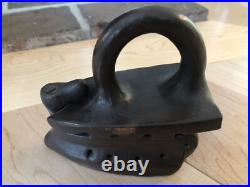
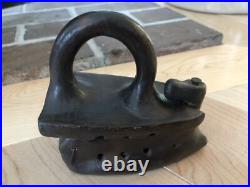
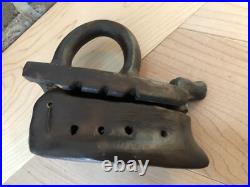
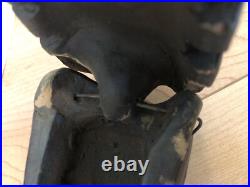
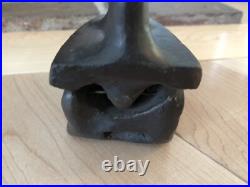
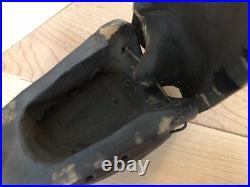
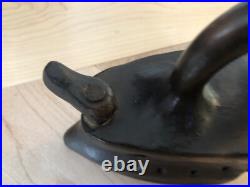
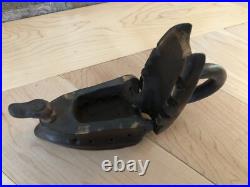
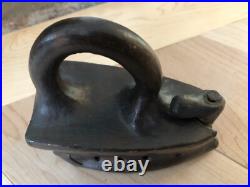
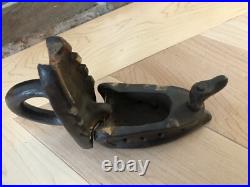
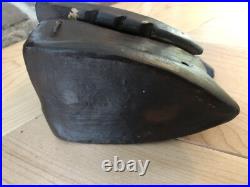
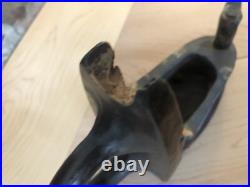
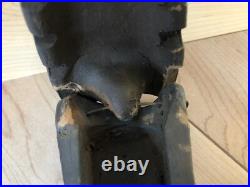
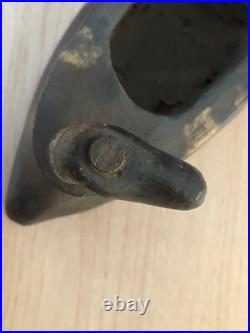
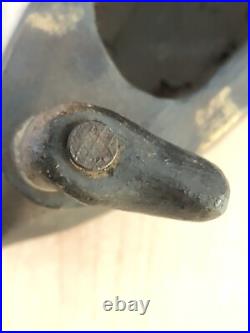
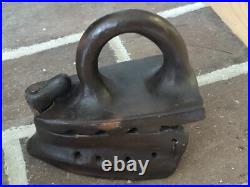
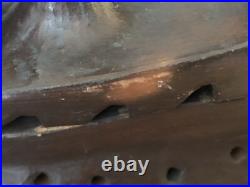
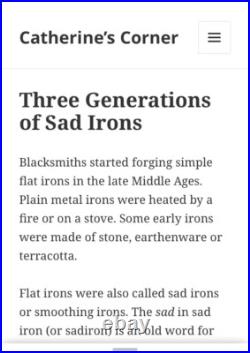
Rare ANTIQUE TERRACOTTA Clay Pottery SAD IRON 5″ x 4 1/2″ Forged Iron Nail. This sad iron is unlike any we’ve seen before! Appears to be made from a terracotta clay colored material with brown glaze. You can see the terracotta color showing through in areas. We read that very early Sad Irons were made from Terracotta, Clay and Pottery. See a small part of an article we found online on our last photo where it mentions this. The clasp is held in place with an iron nail that has a cross cross design on its flat head. The top part that lifts, is held in by wire. It is in excellent condition for age, it appears chop free and free from cracks. There are some areas as mentioned where either the brown glaze didn’t cover or it wore off and you can see the terracotta clay color.
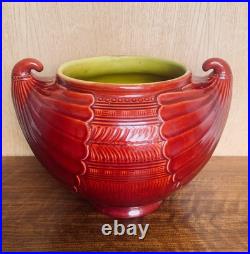
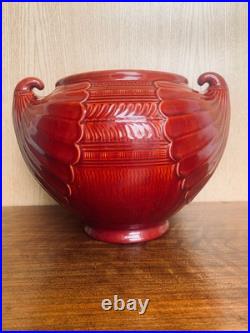
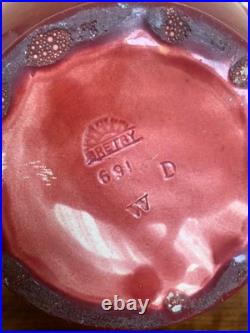
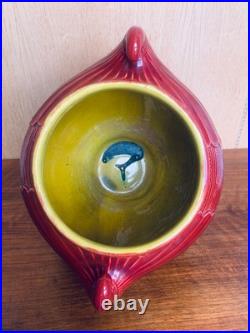
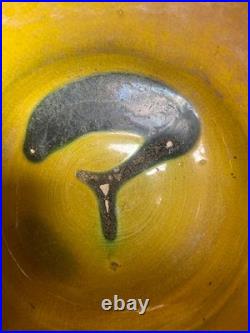
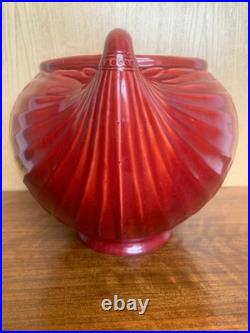
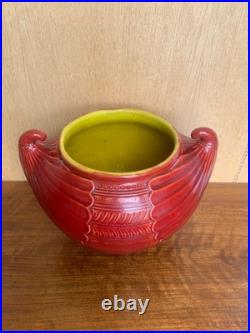
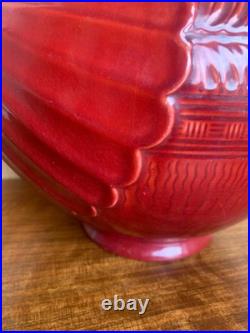
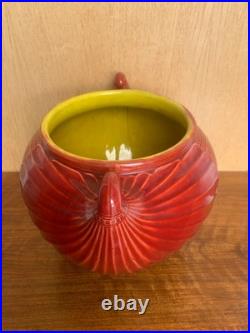
Exceptional Antique Bretby Art Pottery Jardiniere Shape No. 691 by Christopher Dresser – Rare Early Production c. Mid to late 1800s. A truly magnificent piece of Victorian design history, this large twin-handled jardiniere was produced by Bretby Art Pottery Tooth & Co. And is definitively attributed to the seminal designer, Dr. Dresser’s pioneering work in industrial design makes this piece a tangible link to one of the most influential periods in decorative arts. This impressive jardiniere embodies Dresser’s innovative approach, blending a grand, sculptural form with striking Aesthetic Movement-era stylisation. Striking Form: The bulbous body features bold, pronounced, ribbed side panels and elegant, upturned scroll handles, creating a substantial and imposing silhouette. Glaze Contrast: Finished in a stunning, deep Sanguine Red glaze on the exterior, which provides a dramatic contrast with the vivid Lime Green/Yellow glaze of the interior. This piece carries an extremely important feature for serious collectors. Christopher Dresser Design: The base is impressed with the Shape Number “691, ” a form widely documented as being designed by or attributed to Dr. Early Production Confirmation: The impressed Bretby’Sunburst’ maker’s mark to the base is notably free of the addition’ENGLAND’ or’MADE IN ENGLAND’. The absence of this country designation confirms that this jardiniere was produced in Bretby’s earliest years, prior to the 1891 McKinley Tariff Act, which mandated its inclusion for export. This dates the piece firmly to the mid to late 1800s. Condition: Overall excellent condition with no cracks or large chips. One tiny chip, some small surface scratches (see images for additional condition information).
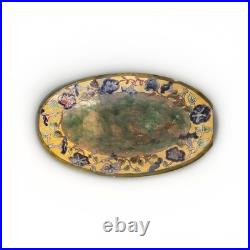
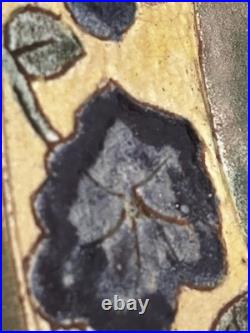
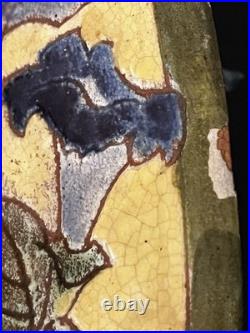
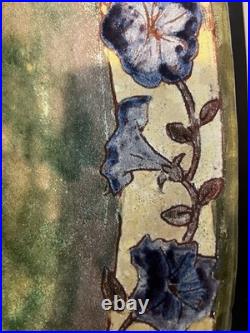
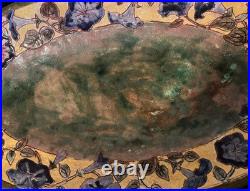
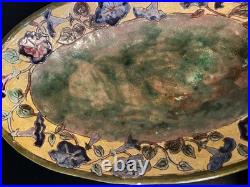
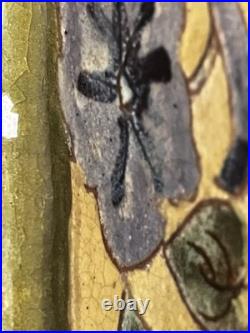
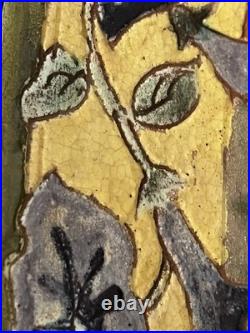
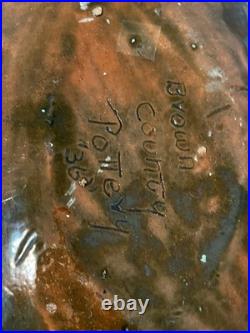
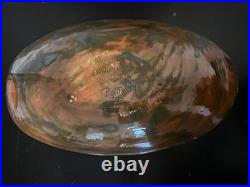
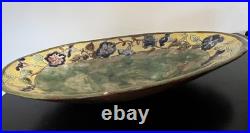
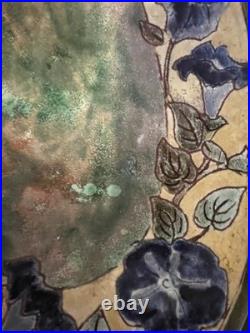
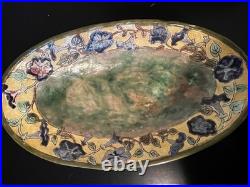
Rare Early Brown County Pottery, Indiana oval bowl. This bowl is exceptional with beautiful colors. Incised on the back Brown County Pottery 1939. 19.5″ l x 11.5″ w x 3.5. 3 very small chips along the edge.
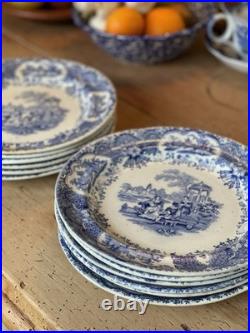
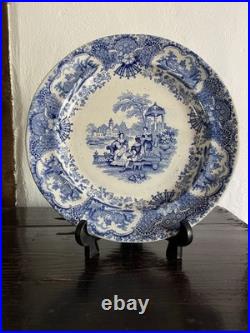
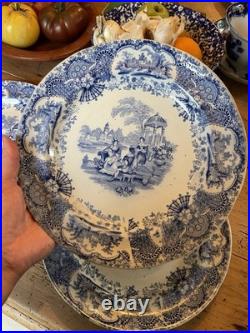
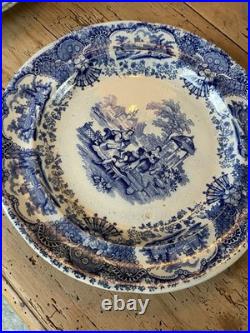
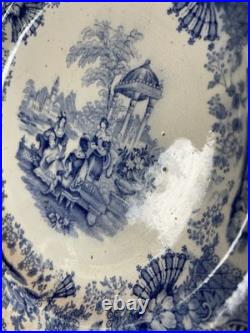
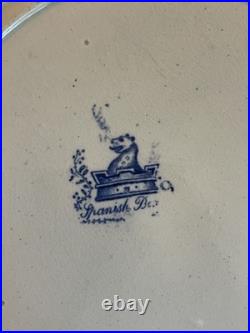
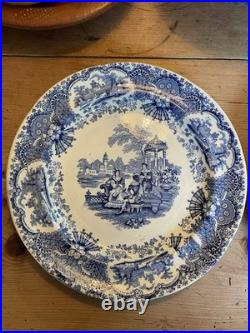
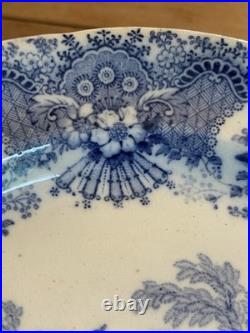
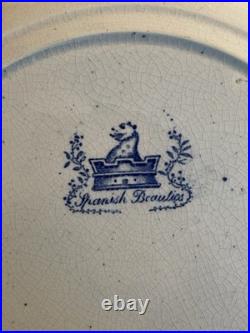
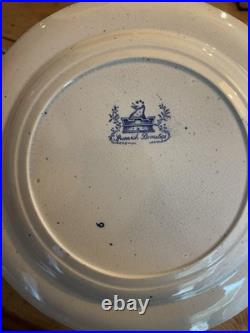
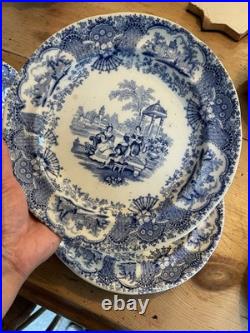
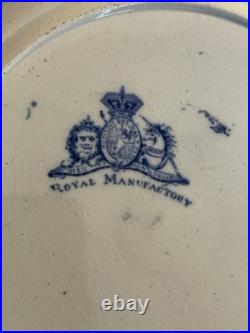
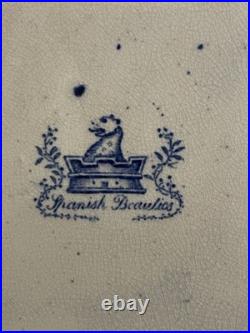
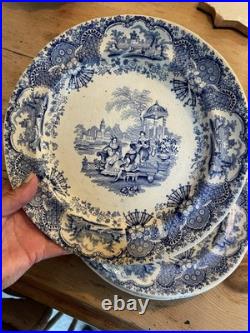
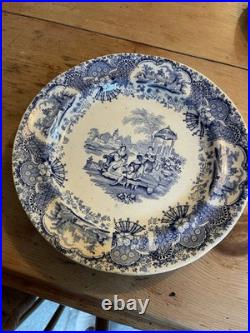
A dozen Staffordshire Pottery plates, printed underglaze with the’Spanish Beauties’ pattern, with a lute-player serenading a seated lady & her maid in a garden with columns & urn, a distant view of mountains & exotic buildings behind, the border with four repeating panels of a castle in a landscape with balustraded stems to one side, within extraordinary ground of scrolling borders, flower heads & festoons, fan-shapes, and basketweave ground. Blue printed mark – Royal Arms, with’Royal Manufactory, others with Deakin & Sons Mark beneath. Deakin & Son, Longton, active 1832-63 Circa 1835. In excellent condition overall with no chips or cracks. Light crackle to glaze.
From my personal Collection. Weeks Pottery Syrup Jug. This example is rare. Some chipping on the rim of the spout. Made in Akron Ohio signed.
Loading...X