Authentic Large-Format Gelatin Silver Print – Early 1900s Cycling Event. This is a rare, original 19 x 16.25 large format photograph, depicting an early 20th-century cycling event with a penny-farthing rider surrounded by safety bicycles and a crowd of onlookers. This is not a modern reproduction-it is a genuine gelatin silver print mounted on thick fiberboard, consistent with early 1900s photographic prints. Type: Authentic gelatin silver print, not a modern reprint. Size (with backboard): 19 inches x 16.25 inches (Mounted on thick fiberboard). Age-related wear with minor edge chipping and board separation (see photos). Photograph is lifting slightly at the edges, consistent with early dry-mounting techniques. No modern adhesives or laminates, confirming period authenticity. Some foxing (brownish staining) and surface silvering, common in early gelatin silver prints. Mounting & Backing. Imperial-format fiberboard mount with visible layering and aged paper fibers. No modern branding, watermarks, or reproduction markings. This is an exceptional piece of antique photography and a rare large-format print, perfect for vintage cycling enthusiasts, historic photography collectors, or early sports memorabilia collectors. &####128233; Feel free to message me with any questions or offers!
A VERY RARE PAIR OF TF&S PHOENIX ART FAINCE HAND PAINTED VASES. ONE WITH IMPRESSED FORSTERS AND ONE WITHOUT IT. ONE IS HALF A CENTIMETRE SMALLER THAN THE OTHERS. 13 INCHS TALL(33 CENTIMETRES). BOTH HAVE SMALL/LIGHT FIRING CRACKS AND ONE CERY SMALL HAIR LINE ON GLAZE WHICH INSIDE AS SHOWN IN THE PICTURES. WILL BE DISPATCHED SEPARATELY DUE TO THEIR SIZE AND SAFETY. GIVEN IS A ROUGH ESTIMATE.
Authentic Large-Format Gelatin Silver Print – Early 1900s Cycling Event. This is a rare, original 19 x 16.25 large format photograph, depicting an early 20th-century cycling event with a penny-farthing rider surrounded by safety bicycles and a crowd of onlookers. This is not a modern reproduction-it is a genuine gelatin silver print mounted on thick fiberboard, consistent with early 1900s photographic prints. Type: Authentic gelatin silver print, not a modern reprint. Size (with backboard): 19 inches x 16.25 inches (Mounted on thick fiberboard). Age-related wear with minor edge chipping and board separation (see photos). Photograph is lifting slightly at the edges, consistent with early dry-mounting techniques. No modern adhesives or laminates, confirming period authenticity. Some foxing (brownish staining) and surface silvering, common in early gelatin silver prints. Mounting & Backing. Imperial-format fiberboard mount with visible layering and aged paper fibers. No modern branding, watermarks, or reproduction markings. This is an exceptional piece of antique photography and a rare large-format print, perfect for vintage cycling enthusiasts, historic photography collectors, or early sports memorabilia collectors. &####128233; Feel free to message me with any questions or offers!
A large Rare impressive’Crown Ducal Bowl. Art Deco 1920’s. Diameter 31.5 cms (rim); Base 17.5cms; Height 7cms. Condition; There is a chip to the rim (pictured); Cobalt Blue interior slightly distressed (I suspect in its day it may have been used for floating candles or flowers); 2 tiny old sellatape marks to black exterior. Please study all pictures as they are an accurate representation of its condition. I package thoughtfully & carefully using recycled materials where I can. I don’t scrimp on Bubblewrap!
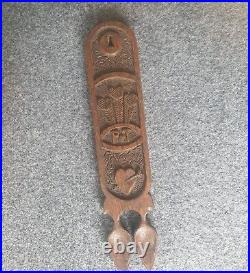
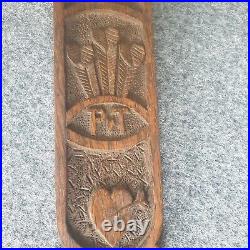
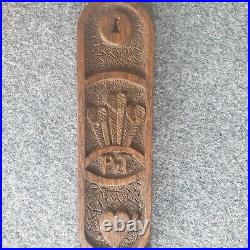
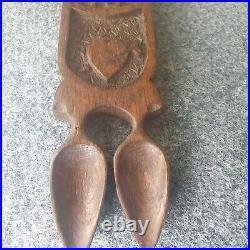
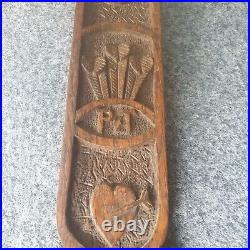
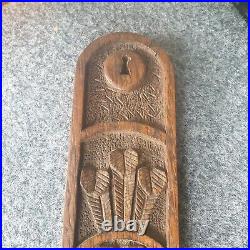
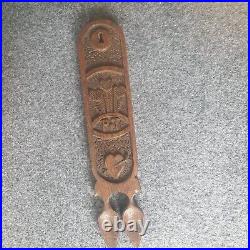
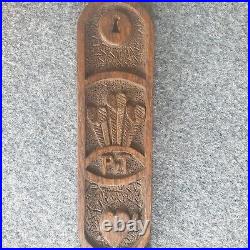
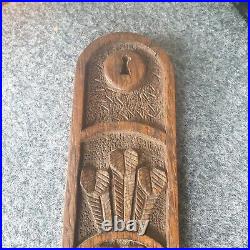
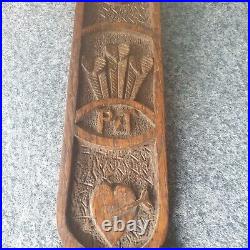
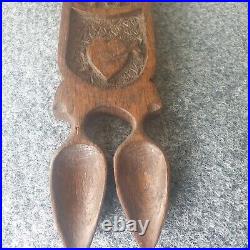
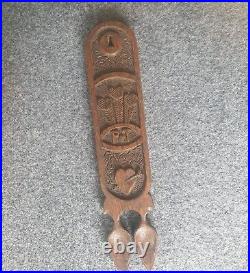
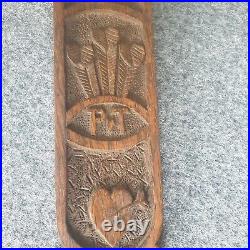
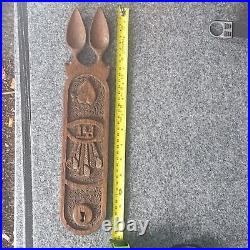
This early 19th century Welsh double love spoon is a rare find for any antique collector. Crafted with exquisite attention to detail, this spoon is a perfect addition to any tableware collection. The spoon’s unique design is a testament to the rich history of Welsh culture. The spoon is made of high-quality materials and has been well-maintained over the years. Its intricate engravings and detailing make it a true treasure for any antique enthusiast. This spoon is perfect for use or as a decorative piece. Add it to your collection today and own a piece of Welsh history.
I have researched online on this design make and product, I have not found one yet. Some of the tobacco leaf stoneware all seem to have some sort of damage this one is in absolutely beautiful condition from chips cracks and crazing. Please look at the pictures for a clear description. Any questions please ask.
A rare early 19th century Georgian bracelet in gilt metal. It is composed of open work panels set with agate cabochons. Beautiful agate stones in hues of red pink brown white. Length is 17.5cm each. About 44mm wide at the widest point. A substantial piece of jewellery weighing about 50g. One stone has a superficial fracture (see photos- hence price), but remains sturdy. Otherwise, very good condition. One of a pair. Given the value, I’m happy to take a return if you change your mind.
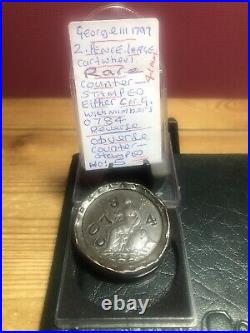
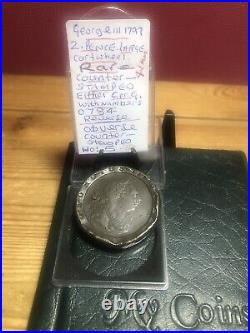
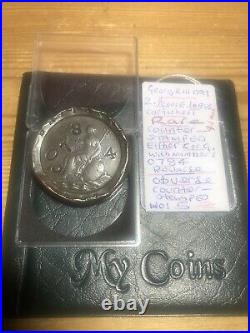
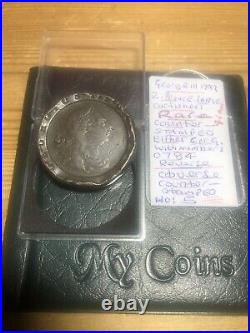
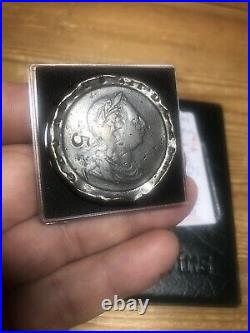
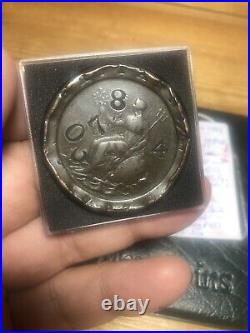
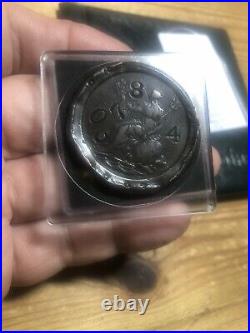
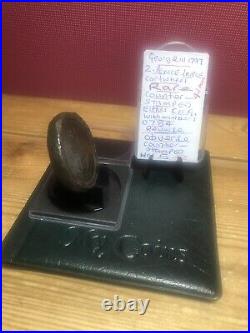
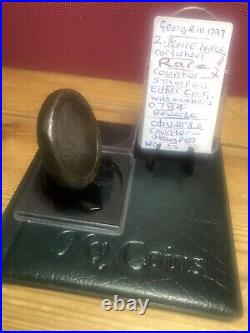
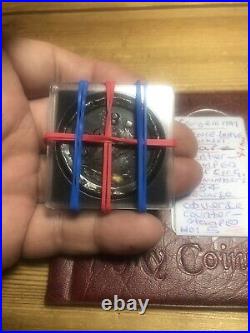
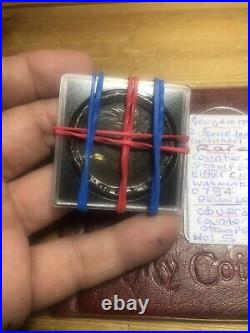
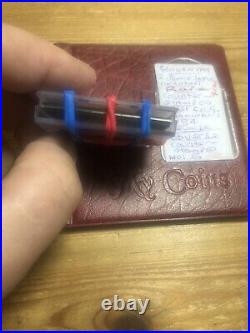
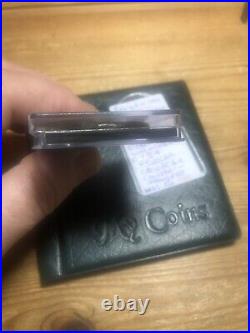
2 pence large cartwheel. Design bears the robed. And laureate Bust of king. Britannia seated on a rocky. Promontory at sea holding. A sprig of 10 leaves in one hand and a trident in the other The flag of Great Britain???? appears on the shield that rests at her side. EITHER C or G. WITH numbers 0 7 8 4. Over 200 years old. With great potential research. My opinion a great display. Coin home or office. NOTE the coin is so thick. Coin case doesn’t close. BIG ROBUST antique rare. My opinion a must have. For any old English coin. Thanks check my other.
Collectible rare large women’s bag made in the USSR in the 1940s made of faux crocodile leather. This is a rare representative of antiques from the early Soviet Union. The bag has the following dimensions. Bag base length 14 inches, height 10 inches, handle height 8 inches, bag width 5.5 inches, latch length (lock) 3.5 inches, lock width 0.4 inches, bag weight 2.8 pounds. The bag is over 80 years old, excellent condition for such a respectable age! The bag has two handles, weaving in the form of braids. Handle height is 8 inches. The condition of the bag is very good and fully corresponds to its venerable age (more than 80 years). Before purchasing, carefully examine the condition of the bag in the photo. I showed a photo of all sides of the bag, as well as the inside, top and bottom, highlighting the handles of the bag and the lock of the bag separately. The metal lock of the bag shows signs of age – slight corrosion. The inside of the bag is lined with natural fabric, possibly satin, the inside lining has some color loss due to age. However, the outside of the bag looks good, no damage, no scratches, the color of the leather of the bag has not changed. The metal lock of the bag works, the handles of the bag are intact. Please read the description of the bag and the description of the condition of the bag carefully before purchasing, and review all photos and photographs of the bag in detail.
Superb Rare Large Heavy Antique Handcrafted Late Georgian / Early Victorian (1830s) Early Transfer Ware Blue “Old Willow” Semi Porcelain Charger (19″/49cm Long, 15″/38cm Wide, 2.7kg). If you are a “Blue Old Willow” fan then this is a marvellous piece for you. It’s large and heavy but well worth the investment and it will be packed very well to reach you safely. This item is one of the very earliest commercial transfer ware items ever produced in the UK. Close to 200 years old! It predates any porcelain marking periods in the UK. Beautiful original traditional blue old willow pattern in lovely condition as shown in 12 sets of photographs attached. If you are extremely particular, then I would advise there appears to be a repair area although this might well be a manufacture mark as there are no chips anywhere so please browse all 12 photos very carefully particularly along the edge. Any faults appear to be none malignant. Transfer ware is a style of decorated china created to sell to the emerging middle class of the Industrial Revolution in England. First produced in the late 1700s, the style caught on and has remained popular since the early 1800s. Transferware first started appearing on the market in the late 18th century, and exploded in popularity in the 1820s and 1830s. Although the styles of the transfers changed over the years, it has been made continuously since then. Transfer printing is a method of decorating pottery or other materials using an engraved copper or steel plate from which a monochrome print on paper is taken which is then transferred by pressing onto the ceramic piece. Pottery decorated using the technique is known as transferware or transfer ware. The bulk of production was from the dominant Staffordshire pottery industry. America was a major market for English transfer-printed wares, whose imagery was adapted to the American market; several makers made this almost exclusively. The Willow pattern is a distinctive and elaborate chinoiserie pattern used on ceramic kitchen/housewares. It became popular at the end of the 18th century in England when, in its standard form, it was developed by English ceramic artists combining and adapting motifs inspired by fashionable hand-painted blue-and-white wares imported from China. Its creation occurred at a time when mass-production of decorative tableware, at Stoke-on-Trent and elsewhere, was already making use of engraved and printed glaze transfers, rather than hand-painting, for the application of ornament to standardized vessels (transfer ware). The exact moment of the pattern’s invention is not certain. During the 1780s various engravers including Thomas Lucas and Thomas Minton were producing chinoiserie landscape scenes based on Chinese ceramic originals. The Old Willow story is based on the Japanese fairy tale “The Green Willow” and other ancient fairy tales originating in China about the constellations that tell the story of two lovers separated and envied by gods for their love. The lovers can only meet once a year when the stars align. There is an English story about the plates that may or may not have links to China; it was first published as “The Story of the Common Willow Pattern Plate” in the magazine The Family Friend in 1849.
Loading...X