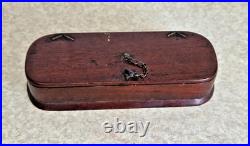
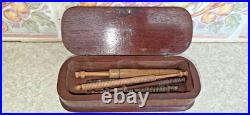
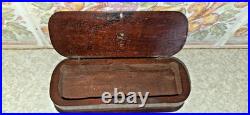
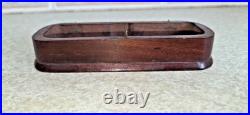
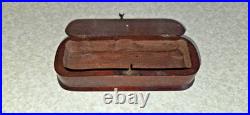
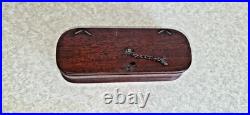
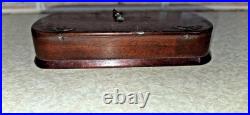
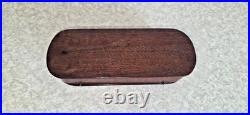
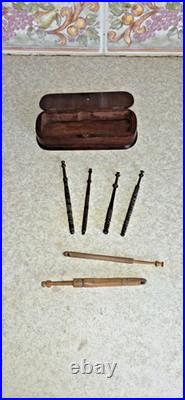
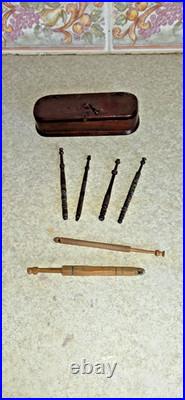
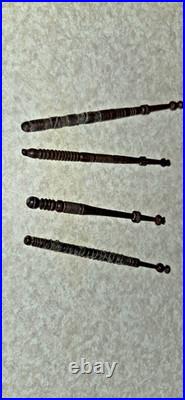
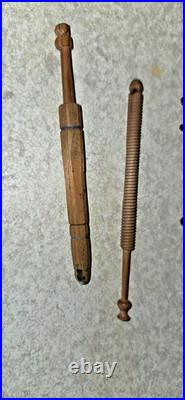
A SIMPLY GORGEOUS ANTIQUE EARLY 18TH CENTURY POLL SHAPED BOX. THESE ARE RARE AND OFTEN USED FOR APOTHECARY ITEMS, SCALES OR COINS. THE LOVELY CONDITIONED PIECE. IT COMES WITH A FEW ANTIQUE BOBBINS. THE BOX IS VERY WELL MADE AND IT HAS A SMALL LOCKING CHAIN. MEASURING 5″ LONG X 2″ WIDE X 1 1/2 DEEP. THEY BRASS V HINGES ARE SO WELL MADE A GREAT ANTIQUE DESIGN. PICTURES ARE THE DESCRIPTION SO PLEASE TAKE CARE TO VIEW. POST OUT TWICE A WEEK DUE TO WORK / SO PLEASE LET ME KNOW IF URGENT. USED ITEMS WILL ALWAYS SHOW SIGNS OF WEAR.
Very Rare Antique Guatemalan ½ Real Coin Necklace – Early 1800s. A remarkable piece of wearable history, this impressive antique necklace is handcrafted from genuine Guatemalan ½ Real silver coins dating back as far as 1811 and displaying the face of Ferdinand VII. The coins have been carefully linked together to create a striking statement necklace that beautifully showcases the character, patina, and craftsmanship of a bygone era. Each historic coin tells its own story, with many displaying authentic wear accumulated over more than 200 years. The substantial length allows the necklace to drape elegantly, while the layered coin arrangement creates movement and visual interest. This collar style necklace has a central coin with a link which could hold a locket or enhancer of your choice. I imagine it was worn for ceremonial purposes at some time in history. Period: Circa early 1800s. Genuine ½ Real silver coins. Length: Approximately 97 cm. Width: Approximately 2 cm. Weight: Approximately 119 grams. Condition: Antique condition with age-related wear consistent with its historical significance. An exceptional collector’s piece that combines numismatic interest with distinctive vintage jewellery design. Perfect for lovers of antique coin jewellery, historical artefacts, and unique statement pieces that cannot be replicated. A rare opportunity to own a tangible piece of 19th-century Guatemalan history, beautifully preserved as an elegant and highly wearable necklace. These circulating coins-such as the 1/2, 1, 4, and 8 Reales-remained standard legal tender in the region until independence in 1821. The Colonial Mint of Guatemala. Ferdinand VII’s portrait and coat of arms appeared on coins minted in Guatemala City from 1808 to 1821. Dear customers, please understand that the star ratings are extremely important to sellers. A one star mark-down can have a huge effect on sellers particularly those with small sales numbers like ours. & we answer questions within 24 hours 24/7 unless we are on annual leave so please, don’t leave us anything but 5 stars without talking to us first. We believe we offer superior service as our 100% feedback indicates and we are always happy to chat to you about any concerns. Thanks so much for your understanding. WE THANK YOU FOR YOUR UNDERSTANDING. WE TRY HARD TO DESCRIBE & PHOTOGRAPH OUR ITEMS WITH INTEGRITY & DELIVER TO YOU QUALITY JEWELLERY AT REASONABLE PRICES. WE ARE NOT JEWELLERS. MOST OF OUR LISTINGS ARE PRE-OWNED, VINTAGE OR ESTATE JEWELLERY, SO A GENERAL LEVEL OF WEAR IS TO BE EXPECTED. WE TRY HARD TO DESCRIBE OUR ITEMS IN DETAIL & WITH INTEGRITY. TO ACHIEVE THIS WE INCLUDE ENLARGED PHOTOS SO BUYERS CAN CLEARLY SEE THE DETAIL OF THE STONES & SETTINGS. WE ALSO TAKE SHOTS OF THE JEWELLERY ON THE BODY OR MANNEQUIN TO GIVE AN IDEA OF THE TRUE SIZE. IF WE FIND A FLAW OR A FAULT WE WILL ALWAYS INCLUDE THIS IN THE LISTING. OF COURSE, NO-ONE IS PERFECT SO PLEASE DON’T BE TOO HARD ON US IF WE MAKE AN OCCASIONAL ERROR.
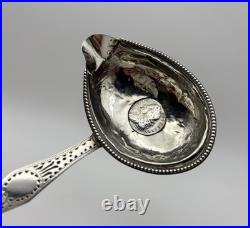
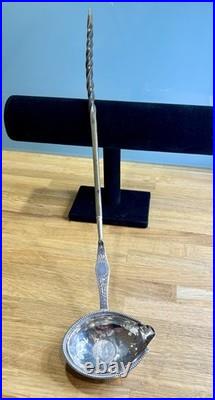
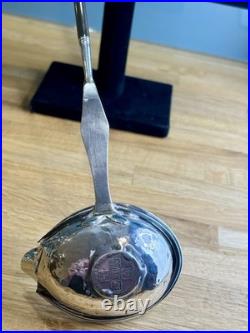
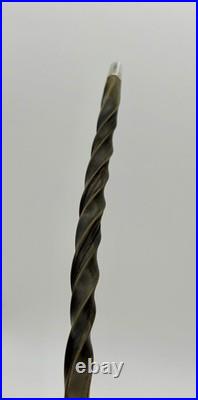
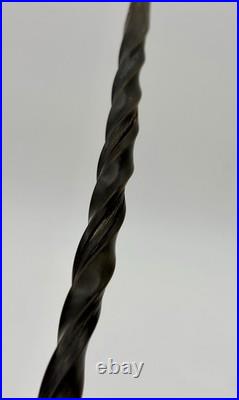
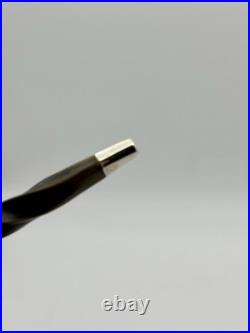
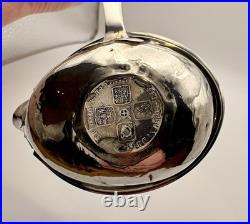
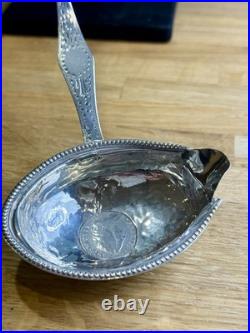
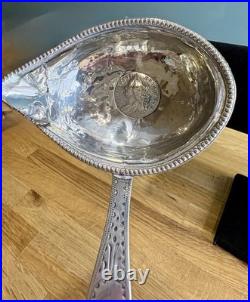
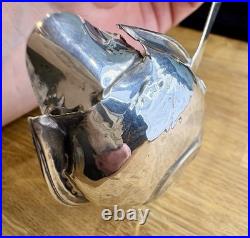
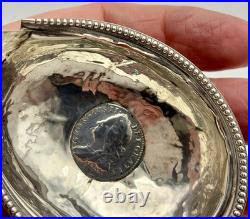
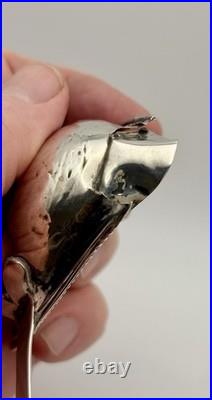
About the Baleen Handle: Baleen – historically known as whalebone – is not bone, but a natural keratin material taken from the mouths of Baleen whales. In the 18th century it was prized for its exceptional strength, flexibility and resistance to heat, making it ideal for hot-liquid serving implements such as toddy ladles. Its use firmly dates this piece to the Georgian period, as baleen largely disappeared from domestic production by the early 19th century. Surviving original baleen-handled examples are now increasingly scarce and highly sought after by collectors. This example qualifies fully under antique exemptions and is legal to sell as a pre-1947 historic object. Construction & Features The hand-raised white metal bowl is inset with a genuine George II silver halfcrown, a desirable decorative feature reflecting the period fashion for coin-set domestic wares. The bowl is finished with a fine applied beaded rim, giving visual weight and refinement. The long twisted baleen handle is fitted with a correct tubular silver metal ferrule, confirming original period construction rather than later replacement. At approximately 38.5cm in length, this is an impressively sized ladle with strong visual presence, ideal for display. Together these elements create a striking example of Georgian tavernware craftsmanship and early British drinking culture. Condition & Authenticity This is an original 18th century working object and retains honest signs of historic use. Period splits to either side of the pouring spout. Rim separation consistent with long-term hot liquid service (see photographs). Surface patina and tool marks consistent with hand manufacture These are typical survivorship features found on genuine toddy ladles and reflect the stresses of repeated hot punch use over nearly three centuries. Importantly:? No modern solder repairs? No reshaping? No artificial restoration? Original form retained The ladle is therefore offered as a collector and display piece, not for liquid service. Historical Context Toddy ladles were used to serve hot punch mixtures in Georgian Britain, a central feature of domestic entertaining and tavern culture. Examples with baleen handles and silver coin inserts were considered prestige household items and were often retained as heirlooms. Today they are collected for their craftsmanship, scarcity and strong connection to 18th century social history. 38.5cm. Offered as decorative collector’s piece.
ANTIQUE IMPERIAL RUSSIAN SOLID SILVER RUBLE COIN CHAIN FOB 19.3CM LONG 42g EARLY 20thC. A VERY GOOD QUALITY SOLID SILVER IMPERIAL RUSSIAN RUBLE COIN CHAIN FOB WITH ONE RUBLE DOWN TO 5 KOPEKS. THE ONE RUBLE IS DATED 1898 AND MADE IN ST PETERSBERG MINT. THESE ARE QUITE RARE COINS TO HAVE ALL TOGETHER. THE LOBSTER CLASP IS 800 GRADE SILVER. MEASUREMENTS: 19.3CM LONG BY 33mm WIDE APPROXIMATELY. PLEASE SEE THE PICTURES OF THIS HIGHLY SOUGHT AFTER RUBLE COIN CHAIN FOB AS THEY FORM PART OF THE DESCRIPTION. PLEASE SEE OUR OTHER FINE SILVER FOR SALE. You can send us a message by using the “Questions and answers” section towards the bottom of the page.
Coin/Amilet of Chao Phetsarath, The prince of Laos, and is an original from Laos. Very rare and hard to come by. Believed to possess magical abilities, repelling evil spirits are known from this blessed coin. Whoever is originally from Laos/Southeast Asia will know about this coin and the blessings it can provide, especially elders.
This rare cast iron coin bank comes from a nice estate with many similar items. Just as you can see in the photos it has a great vintage look with a roughed out exterior. The bank has a measurement of 5.5″ x 2.5″ x 2.5 and weighs 2 lbs.
This antique Georgius III 1799 penny coin is a rare find for collectors of British early milled coins. The bronze tone penny features a denomination of one farthing and is in vintage, circulated condition as seen in the photos. The coin was manufactured in Great Britain during the era of early milled coins, specifically between 1662 and 1816. This rare piece is a must-have for any serious collector and is sure to be a prized addition to any collection.
Loading...X