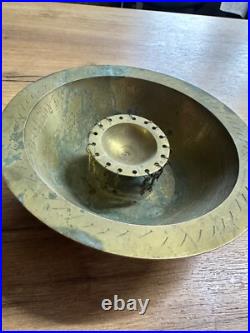
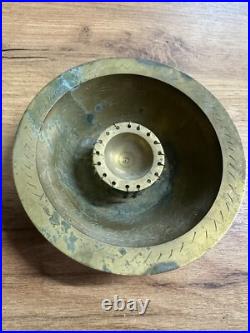
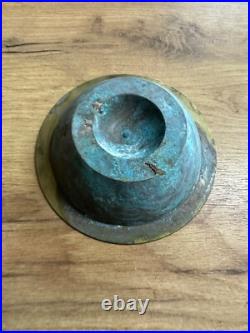
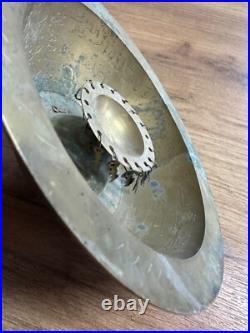
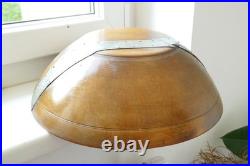
This rare antique Islamic brass bowl is a vintage piece hand engraved with intricate designs, originating from the Middle East during the early to mid-20th century. The bowl features a beautiful gold color and is made of brass, reflecting the craftsmanship and cultural significance of the region. With its unique and timeless appeal, this bowl serves as a valuable and historical artifact that captures the essence of Middle Eastern artistry and heritage.
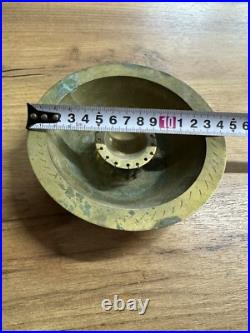
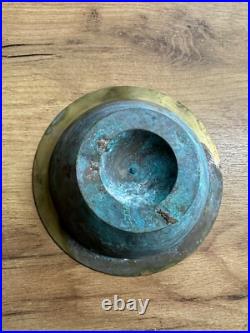
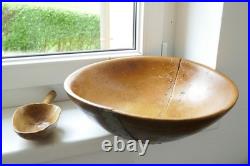
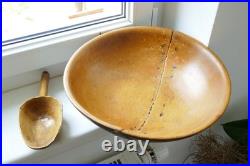
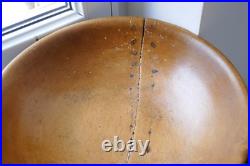
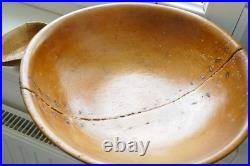
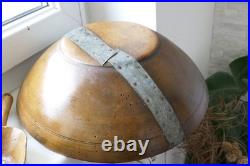
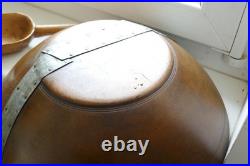
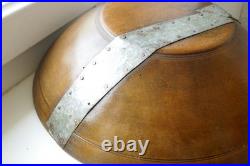
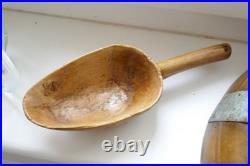
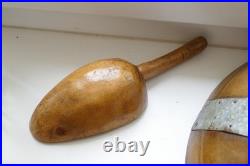
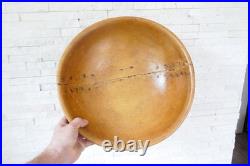
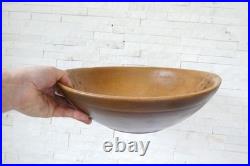
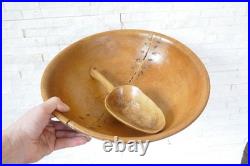
Good old condition, with nice old repairs, also includes a dough scraper, further details see photos Size: diameter 14″, height 4.4″. The defects freedom of the article is confirmed at the time of dispatch of the products was performed as described in the item description. Hierbei handelt es sich um eine private Auktion. Die Sachmängelfreiheit des Artikels wird bestätigt, zum Zeitpunkt der Absendung war der Artikel so wie in der Artikelbeschreibung aufgeführt. Darüber hinaus gilt: Mit der Abgabe eines Gebotes erklären Sie sich ausdrücklich damit einverstanden, auf einen Artikel ohne Garantie und weitergehende Gewährleistung zu bieten (es sei denn es wird in der Artikelbeschreibung eine Garantie vom Verkäufer gegeben). Da es sich um ein Einzelstück handelt, werden der Gewährleistungsfall, Nachbesserung, Minderung sowie Reparatur oder Umtausch einvernehmlich ausgeschlossen. Mit Ablauf der Auktionsfrist kommt zwischen dem Verkäufer und dem Höchstbieter ein wirksamer Kaufvertrag zustande.
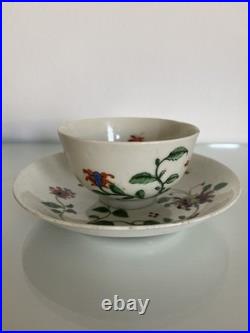
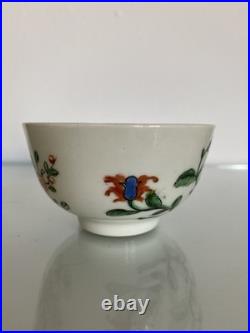
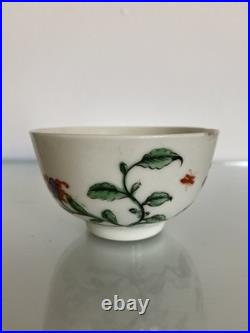
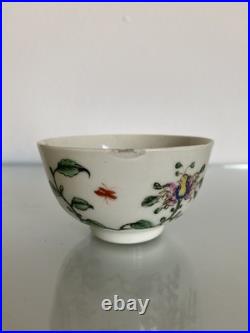
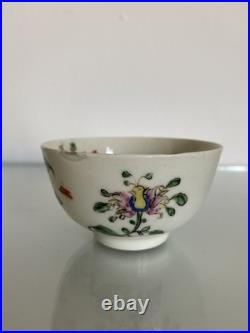
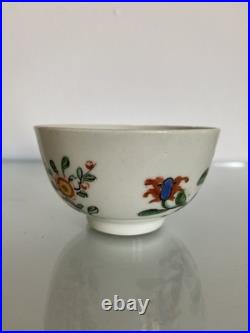
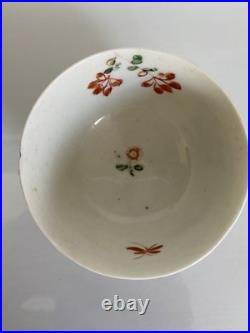
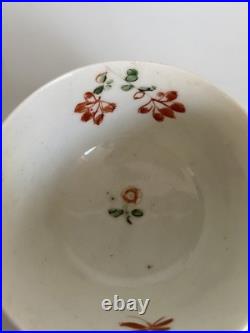
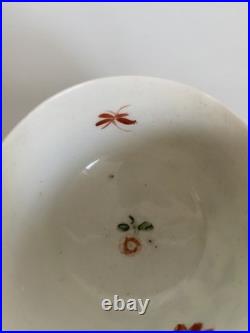
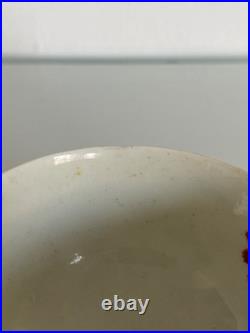
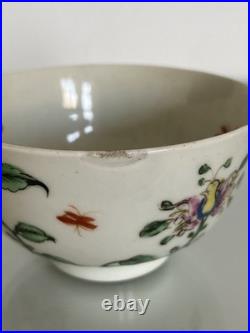
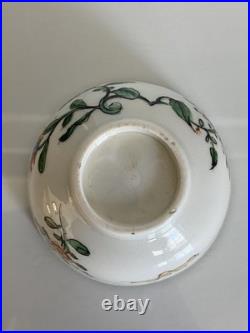
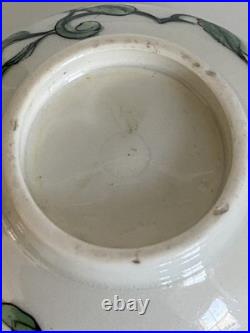
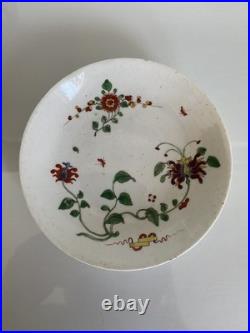
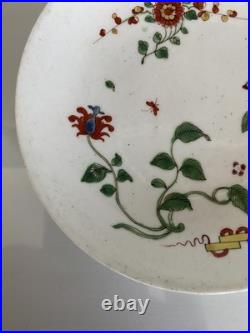
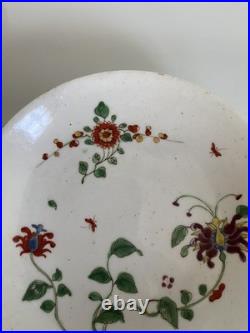
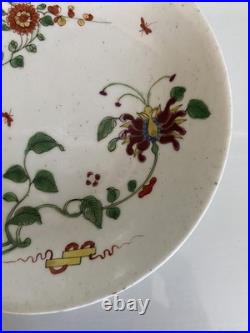
Early Worcester Hibiscus Pattern Tea Bowl & Saucer c1758 Antique Georgian Rare For your perusal, a lovely tea bowl and saucer made by Worcester. Each is decorated with scroll emblems, large flowers, trailing vines and insects. These pieces date to circa 1758, so early for Worcester. This pattern is known as Hibiscus or Honeysuckle. The pieces are in good condition, especially for their age. The pattern is good with some rubbing & wear in places. There are some firing, age & usage marks & frit in the glaze, which are normal in ceramics of this age. There are some small losses to the base rims. The tea bowl has a loss & associated firing imperfection to the top rim. Please see photos as these form part of the description. The approximate measurements are: Tea bowl: 4.2cm tall & 7.5cm top diameter; Saucer: just under 12.5cm top diameter. Please see my other listings for more, mostly ceramic, pieces. I package everything in the best way I can to protect against breakages, however, I can’t take responsibility for items lost or damaged during transit. Thank you for looking and happy shopping.
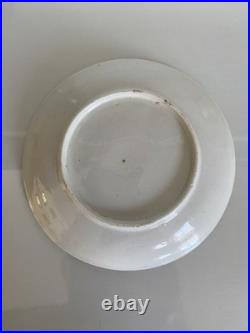
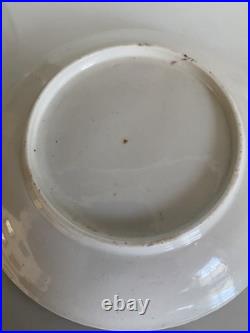
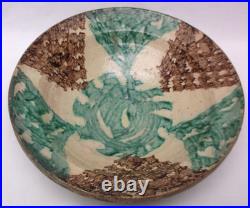
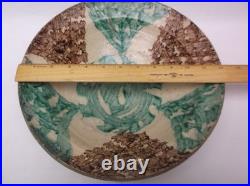
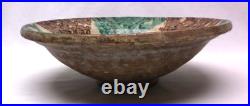
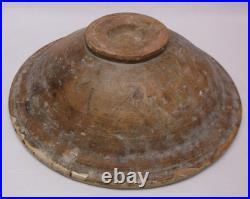
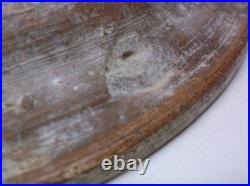
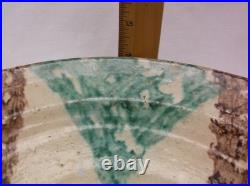
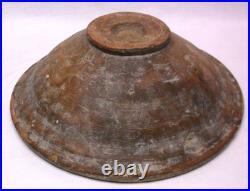
Rare Antique Redware 12″ x 4″ Bowl, 1800 Renaissances Period Design. Don’t Know anything about item, Please Check. “Please View Photos” Most of the items we sell are vintage or used. We try to describe them as accurate as we can, however we might miss a DETAIL in the description from time to time. Thanks for viewing our auctions!
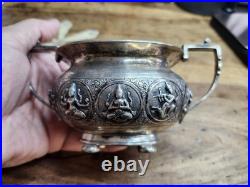
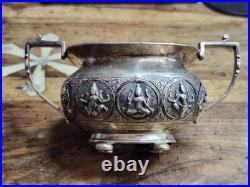
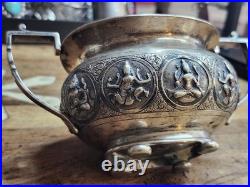
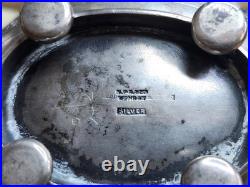
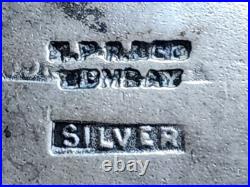
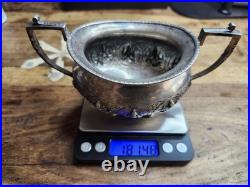
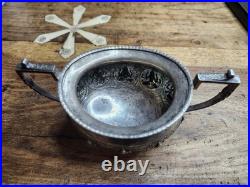
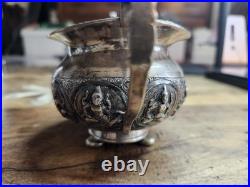
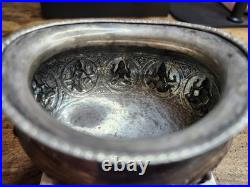
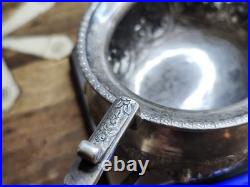
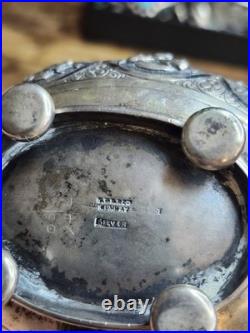
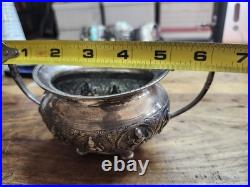
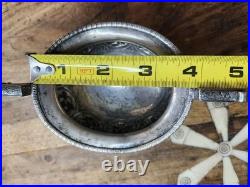
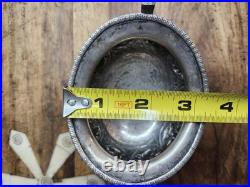
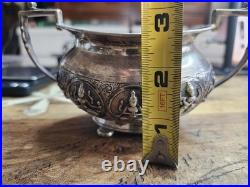
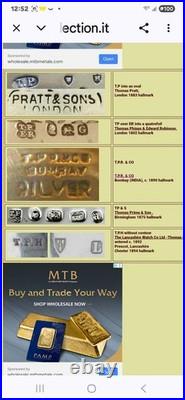
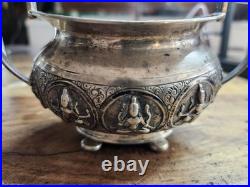
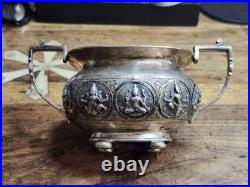
& Co, Bombay, India – Early 20th Century. Handcrafted Silver Bowl with Hindu Deity Motif. A finely worked antique silver bowl marked T. P. R. & Co of Bombay, a known maker of Indian silver active in the late 19th to early 20th century. The bowl features a continuous band of repoussé Hindu deities in high relief, framed by intricate scrolling foliate borders. The form is raised on bun feet with applied handles, consistent with documented examples from this workshop and period. The maker’s mark T. P. R. Weight: 181.48 grams (5.83 troy oz). Material: Tested silver (acid tested). Construction: Hand-worked repoussé and chased decoration. Origin: Bombay (Mumbai), India. Very good antique condition with expected age-related surface wear, patina, and light oxidation. No major damage or repairs observed. Structurally solid and displays exceptionally well. This is a genuine antique Indian silver piece, not a later reproduction or decorative base metal example commonly found in the market. TPR Bombay silver, Indian silver bowl, Hindu deity silver, repoussé silver, antique Indian silver, colonial Indian silver, Bombay silversmith, solid silver bowl antique, figural silver India, chased silver bowl.
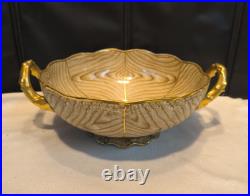
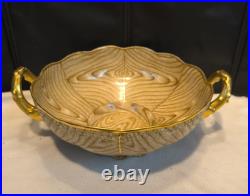
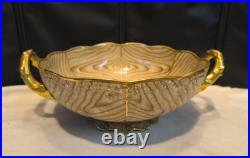
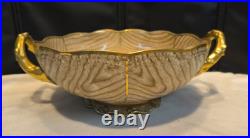
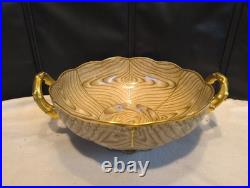
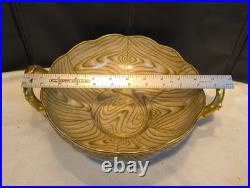
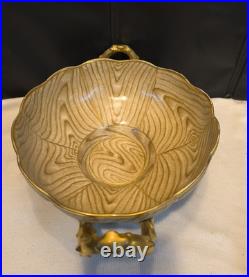
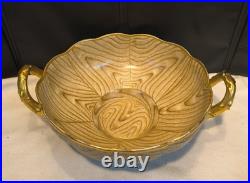
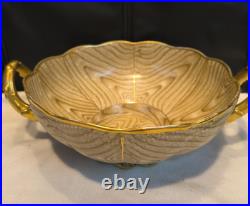
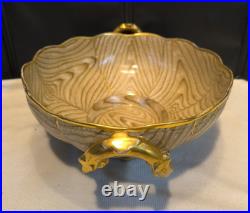
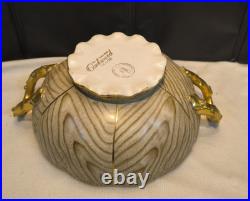
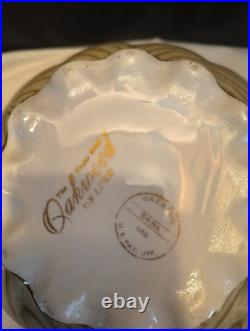
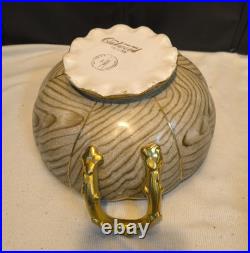
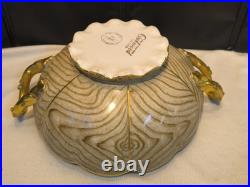
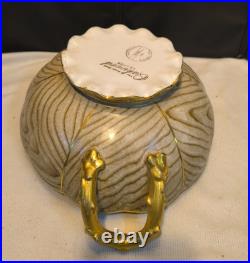
RARE Early 1900s Antique Homer Laughlin Art China Specialties Orange Bowl Centerpiece – Decorated by Oakwood China – Special Wood Grain Pattern 11-½ across with handles. RARE find here – when will you get another chance collectors?? 1900s Orange Bowl from Homer Laughlin Art China Specialties which was then decorated with the special wood grain technique by Oakwood China. This bowl has a very nice lighter wood grain design with the Oakwood technique. Scalloped edge footed orange bowl in brown and gold tones. Measures 11-1/2″ in diameter, 4 1/4″ tall. In the early 1900s, many American pottery companies started to produce decorated specialties. The specialties” were made up of shapes that didn’t belong to any particular dinnerware line, and were intended to be more decorative with fancy and ornamental styling. Most of the treatments consisted of colorful decals with blended tints. The Homer Laughlin China Company started their line of Art China in 1902 under the direction of Arthur Mountford. The special “Laughlin Art China” gold marking was applied over the glaze and wasn’t always used. It appears mainly on Currant, White Pets, Monks, Gypsy, Juno, Laughlin Blue, Ruby, as well as several other patterns. Oakwood China was in business from 1912 – ca. Another wonderful link to the history of East Liverpool! Condition: Excellent antique condition and example piece. No chips, cracks, or crazing. Some glaze misses or skips on the decorated piece – very hard to see when on display, noted for accuracy. Piece may have small factory production imperfections such as sand bumps, glaze skips, glaze pops, etc. Little to no issues with this piece. See photos for details. Be sure to check out our store for even more HLC items – with more coming each week. Fiesta, Fiestaware, The Fiesta® Tableware Company, HLC, dinnerware, vintage pottery, antique pottery, Harlequin, Kitchen Kraft, Newell, East Liverpool, Riviera, specialty ware, HLCCA, Laughlin Art China, West Virginia pottery.
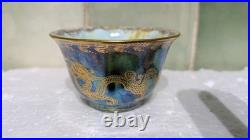
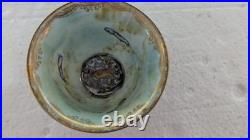
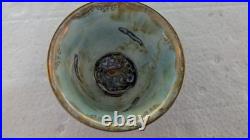
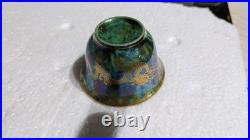
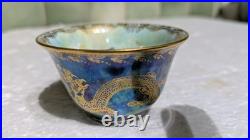
This is in excellent as new condition as it has been in a display cabinet. It is tiny 7.5cm diameter and 5.25cm high. It is extremely rare especially in this colour. It looks more blue on the pictures but is green. This Handmade 1920’s Wedgwood Daisy Makeig-jones Dragon Iridescent Lustre Bowl is a stunning piece of antique porcelain art pottery from Staffordshire. With its round shape, glossy finish, and vibrant green colour, this vintage bowl showcases the exquisite craftsmanship of the early 20th century. The intricate design featuring daisies and dragons adds a touch of elegance to any space, making it a true collector’s item for those who appreciate fine decorative pottery.
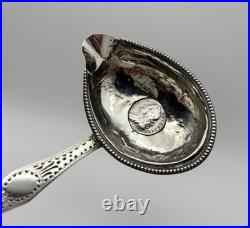
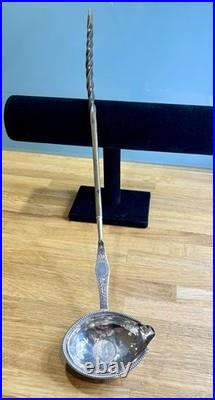
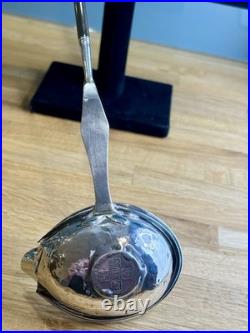
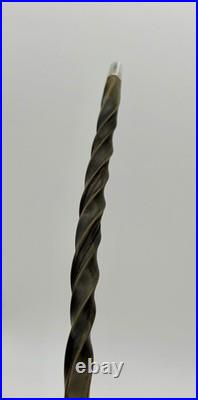
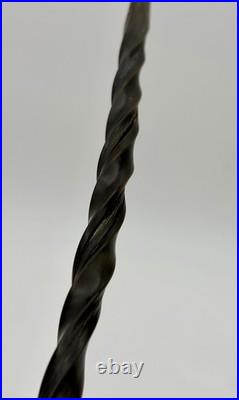
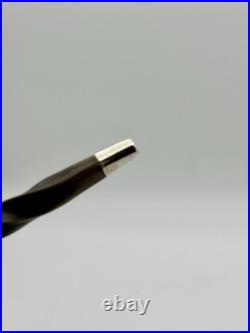
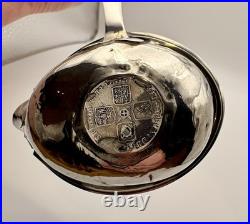
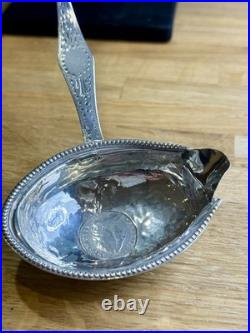
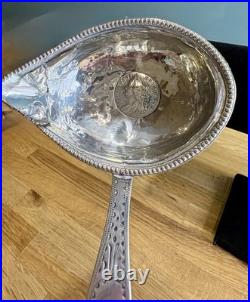
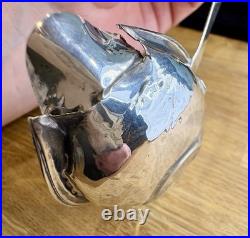
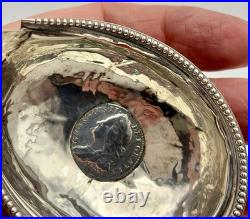
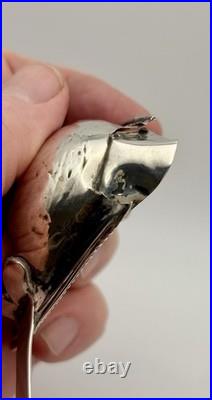
About the Baleen Handle: Baleen – historically known as whalebone – is not bone, but a natural keratin material taken from the mouths of Baleen whales. In the 18th century it was prized for its exceptional strength, flexibility and resistance to heat, making it ideal for hot-liquid serving implements such as toddy ladles. Its use firmly dates this piece to the Georgian period, as baleen largely disappeared from domestic production by the early 19th century. Surviving original baleen-handled examples are now increasingly scarce and highly sought after by collectors. This example qualifies fully under antique exemptions and is legal to sell as a pre-1947 historic object. Construction & Features The hand-raised white metal bowl is inset with a genuine George II silver halfcrown, a desirable decorative feature reflecting the period fashion for coin-set domestic wares. The bowl is finished with a fine applied beaded rim, giving visual weight and refinement. The long twisted baleen handle is fitted with a correct tubular silver metal ferrule, confirming original period construction rather than later replacement. At approximately 38.5cm in length, this is an impressively sized ladle with strong visual presence, ideal for display. Together these elements create a striking example of Georgian tavernware craftsmanship and early British drinking culture. Condition & Authenticity This is an original 18th century working object and retains honest signs of historic use. Period splits to either side of the pouring spout. Rim separation consistent with long-term hot liquid service (see photographs). Surface patina and tool marks consistent with hand manufacture These are typical survivorship features found on genuine toddy ladles and reflect the stresses of repeated hot punch use over nearly three centuries. Importantly:? No modern solder repairs? No reshaping? No artificial restoration? Original form retained The ladle is therefore offered as a collector and display piece, not for liquid service. Historical Context Toddy ladles were used to serve hot punch mixtures in Georgian Britain, a central feature of domestic entertaining and tavern culture. Examples with baleen handles and silver coin inserts were considered prestige household items and were often retained as heirlooms. Today they are collected for their craftsmanship, scarcity and strong connection to 18th century social history. 38.5cm. Offered as decorative collector’s piece.
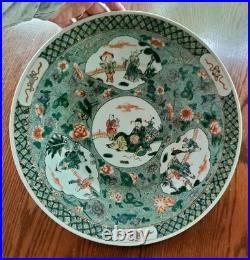
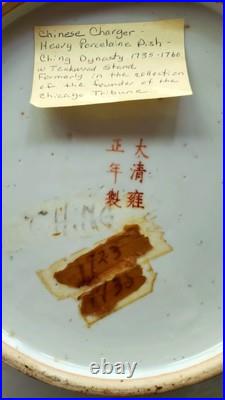
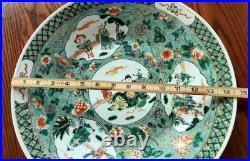
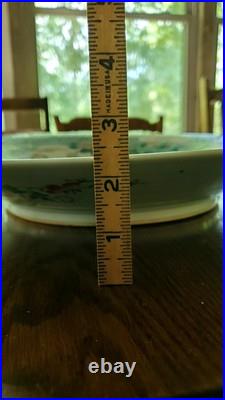
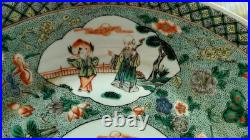
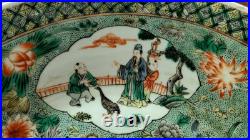
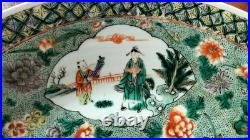
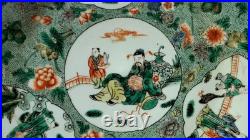
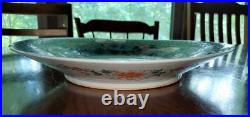
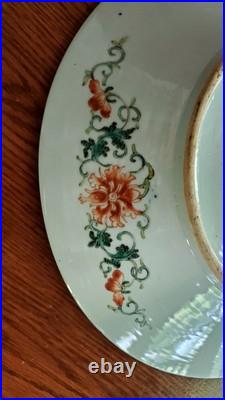
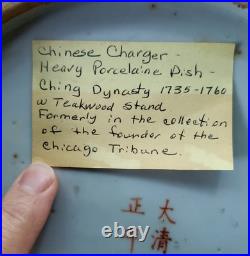
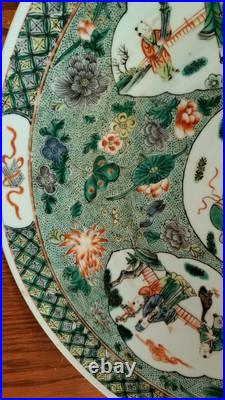
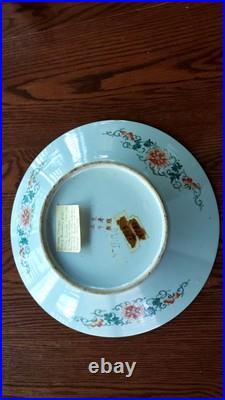
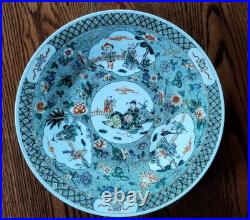
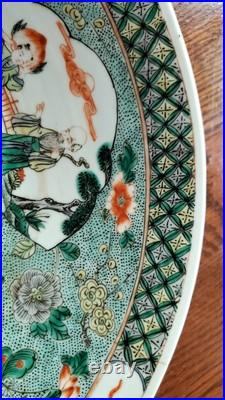
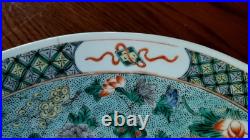
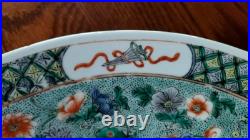
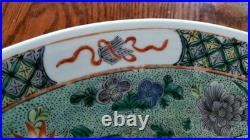
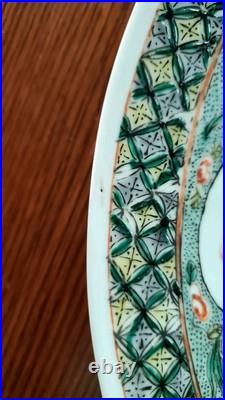
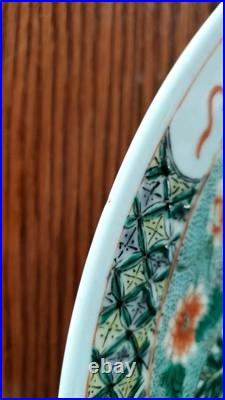
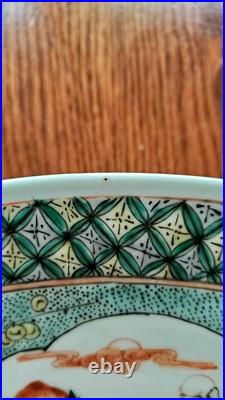
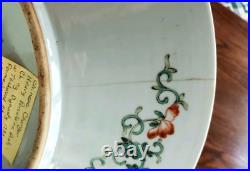
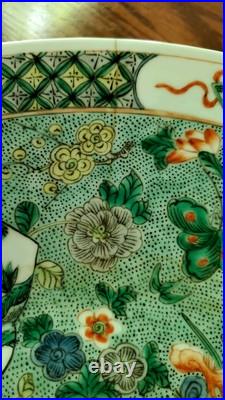
This beautiful piece is 14½ inches across and almost 2½ inches deep at edge. It weighs just over 4½ pounds. It was formerly in the collection of the founder of the Chicago Tribune. I’m not sure when our family acquired it. We no longer have the teak stand. I tried to show all imperfections in last pictures. It has one slight crack but it’s still solid. Loading...X