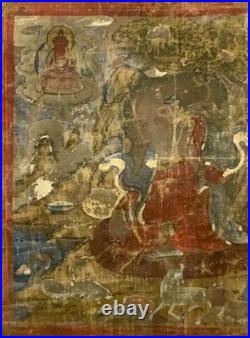
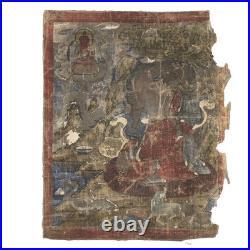
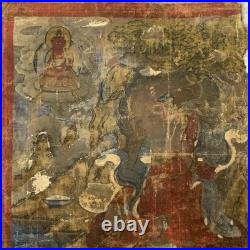
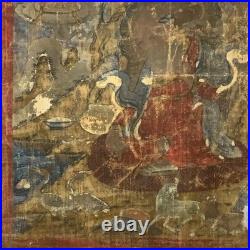
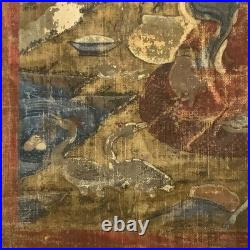
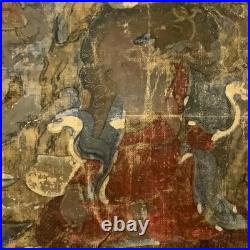
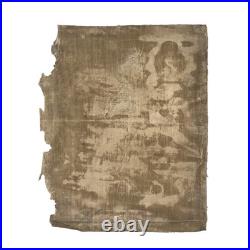
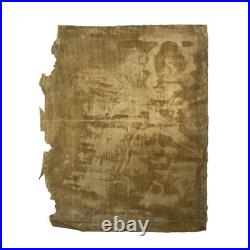
Authentic antique Tibetan Buddhist Thangka, depicting one of the Sixteen Great Arhats (enlightened disciples of the Buddha). The hand-painted piece, executed with pigment on cotton, showcases classic Sino-Tibetan artistic influences, blending spiritual iconography with a stylized natural landscape, and delicate details. The Arhat is portrayed as a wizened sage, seated by a cave in a secluded mountain landscape wearing traditional red monastic robes, and holding a fly whisk with a long handle in his left hand. The sacred fly whisk represents purification and the sweeping away of ignorance or mental afflictions. In Tibetan Buddhist iconographic tradition, only three Arhats has this significant attribute: Angaja, Vanavasin, and Vajriputra. Positioned at the bottom right, the deer is a traditional Buddhist symbol of longevity and the Buddha’s first teaching at Deer Park. Shown at the bottom left, two geese/cranes symbolize longevity and peacefulness. A small, red Amitabha Buddha figure rests in the clouds in the upper-left corner, signifying spiritual lineage, a common innovation in Tibetan Arhat thangkas. Item: Antique Tibetan Buddhist Thangka. Angaja, Vanavasin, or Vajriputra. Set Number: The only known survivor out a set of 16 paintings. Date: Early 19th Century. Material: Pigment on Cotton. : 7.5×12.75 inches (19×15 cm). This is a delicate antique textile displaying authentic patina and wear. Significant age-related wear, including paint loss, fraying, fading, and tearing along the borders. The overall composition-including the small secondary Buddha figure-is a standard element in larger sets of sixteen Arhat thangkas. This is the only known survivor of one such set. In early Buddhism, the Sixteen Arhats were those who had followed the path taught by the Buddha, and achieved release from the cycle of birth and death, or samsara. In later Mahayana traditions, the Arhats were understood as a set group of disciples to the historical Buddha Shakyamuni, and an artistic tradition arose that depicted them as wizened sages with exaggerated features.
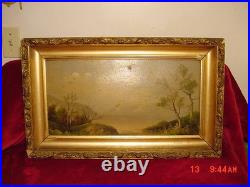
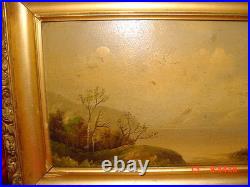
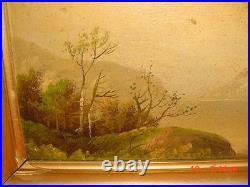
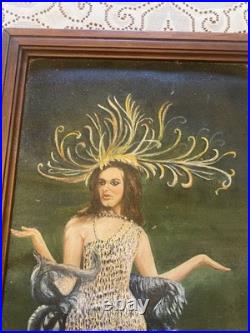
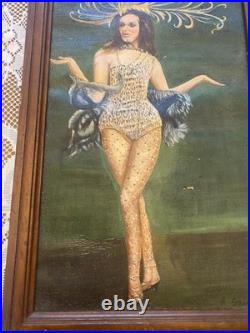
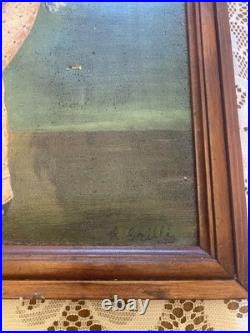
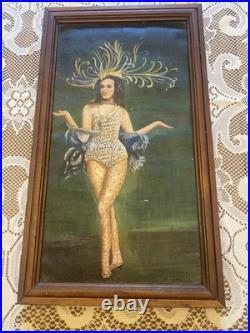
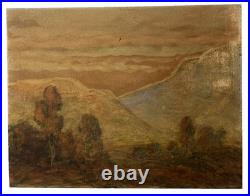
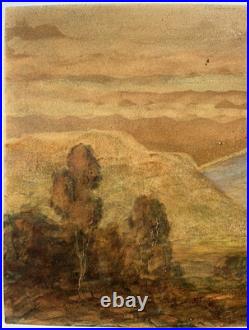
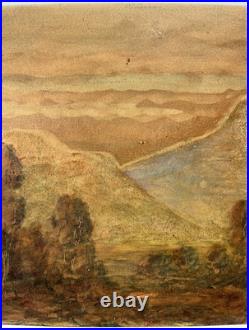
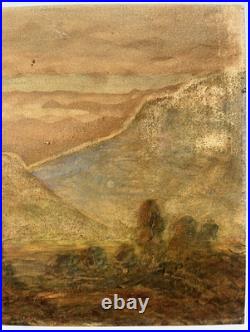
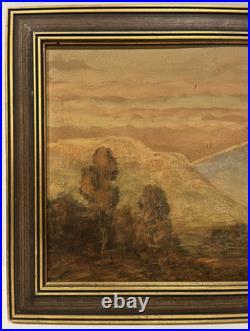
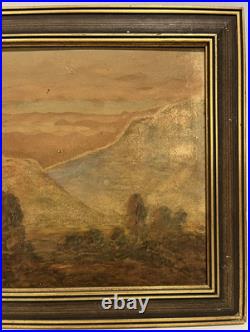
The painting is signed by the artist which looks to be listed artist R. It measures 21″ x 12″ framed. There are a couple surface chips but overall good condition. This is a rare early depiction or portrait of this style. Please review all photos and reach out with any questions or requests.
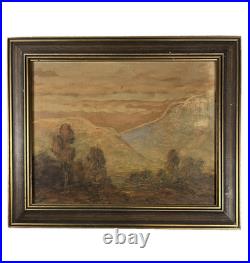
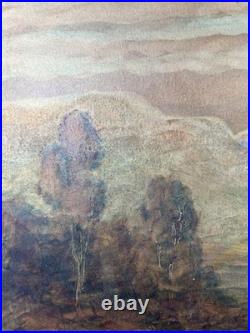
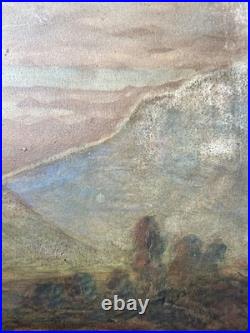
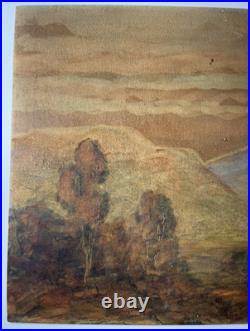
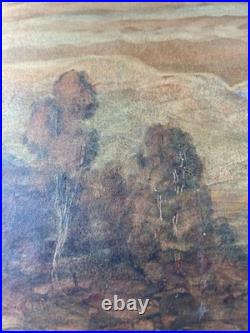
SAMUEL BERING MIXED MEDIA PAINTING ON BOARD. SIGNED LOWER RIGHT IN PENCIL. ANTIQUE DATES TO THE 1920S TO 1930S. CONDITION: SOME PAINT LOSS RIGHT SIDE. SEVERAL SCRATCHES AND SOME STAINS SEE PICTURES. FRAME HAS SCRATCHES AND DENTS. BOARD: 9 BY 11.5 INCHES. FRAME: 11 3/4 BY 14 INCHES. Samuel Bering (1886 – 1963) was active/lived in California. Born in California on November 11, 1886. Bering was a long-time resident of San Diego. He died there on March 29, 1963. An optometrist, he painted as a hobby. His works are rare. Source: Edan Hughes, author of the book.
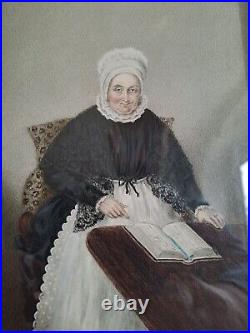
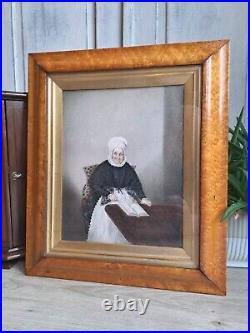
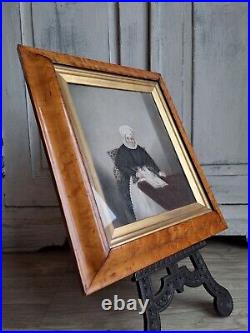
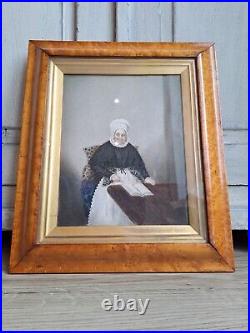
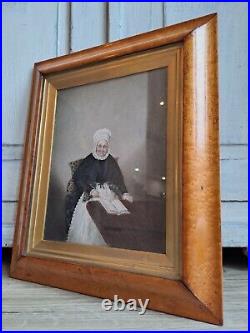
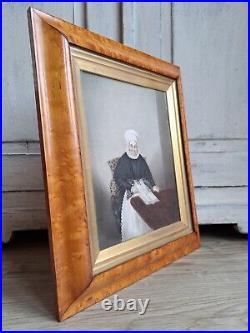
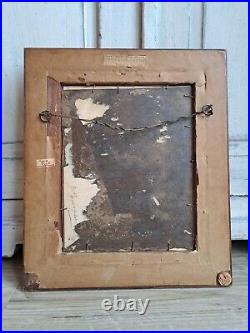
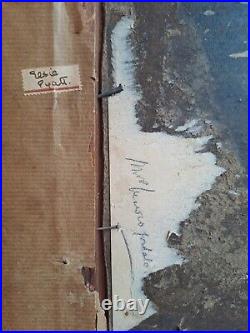
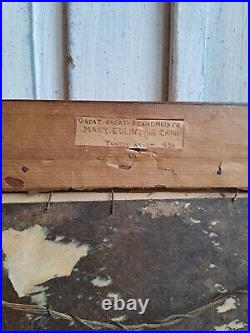
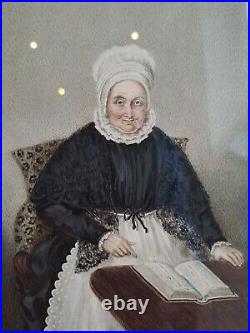
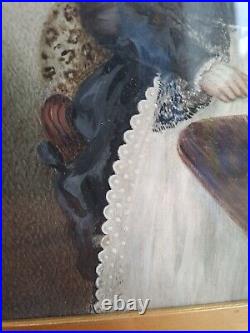
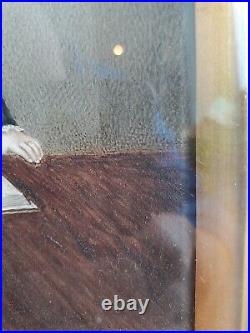
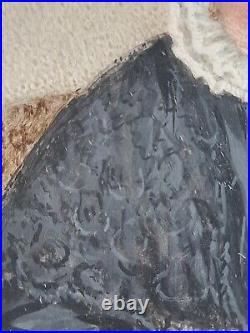
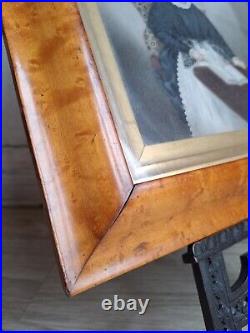
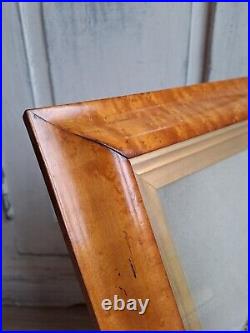
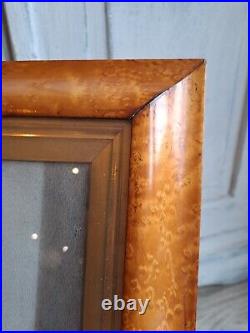
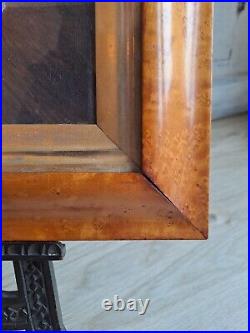
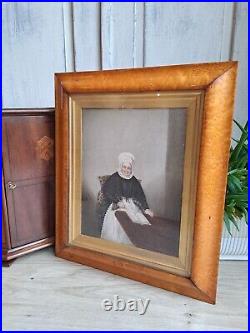
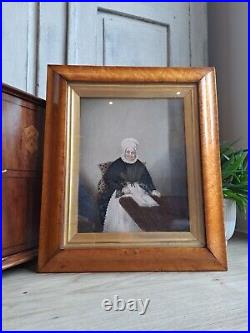
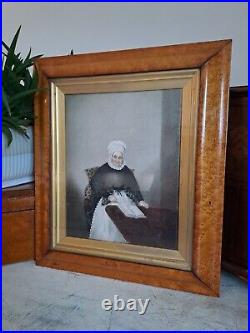
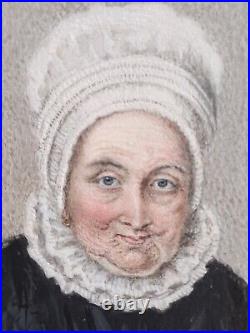
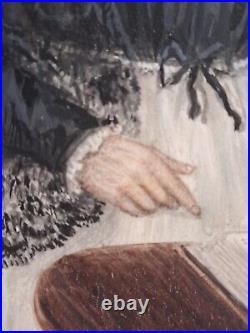
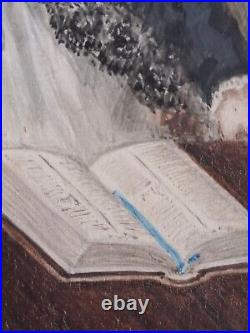
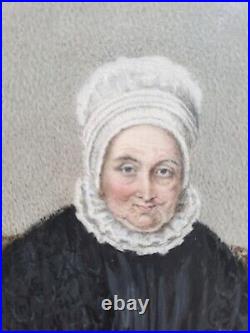
Fine Georgian watercolor of what appears to be a Head Housekeeper: “Mary Edlin” 1824 in unusual medium size. Amazingly detailed cloding and great attention to facial features with a life like look on the sitters face. Not mentioning the attention to the tables woodgrain and shading that’s really nicely executed. The sitter, with right arm pointing at a journal – highlighting her importance, left arm gently resting on tables edge – showing her authority and pointing out the ring of a marriage. And also if you look closely at her right hand, a fine detail of “veins” is visible, just an incredible portrait.. Watercolor painted on paper board, framed in birds eye maple frame. Portrait is approx 17cm by 22cm. Frame is approx 28cm by 33cm. In beautiful original condition with minor imperfections! Frame showing light wear and tear. ? We care about our little planet and use recycled boxes??
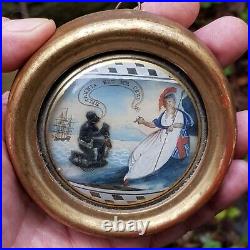
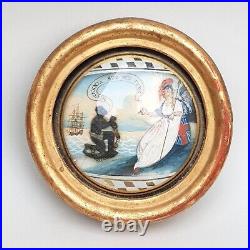
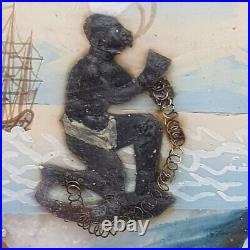
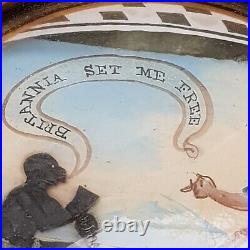
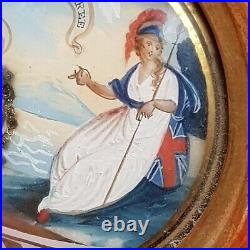
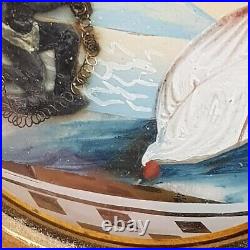
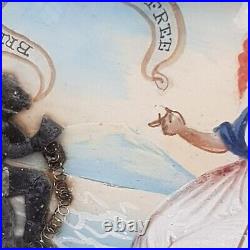
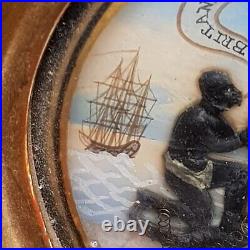
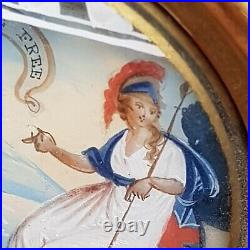
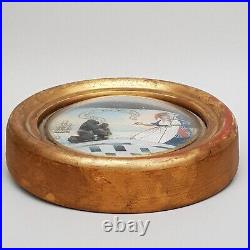
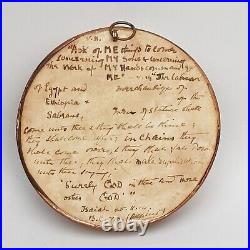
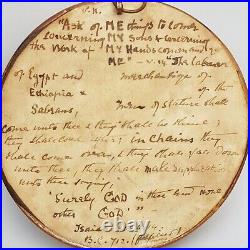
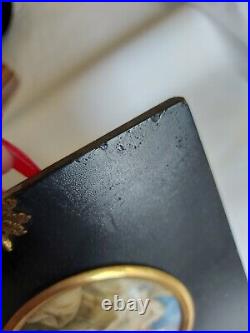
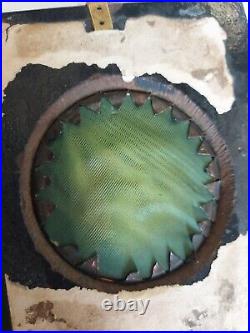
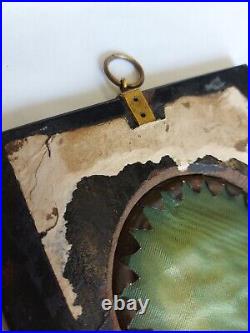
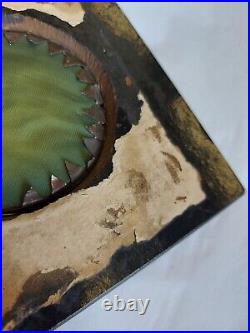
Antique Early 19th century Georgian Period, Rare example of a hand Painted Gouache likely on Alabaster Painting supporting the Abolition of Slavery, a movement which started at the latter end of the 18th Century in England, eventually passed through parliament to its fulfilment of the banning of Slavery in great Britain in the year circa 1833. The Painting is mounted in original period Gilded wooden Portal style frame with original Convex glaze intact preserving the painting within. The Image depicts the figure of a crouching slave in chains (real physical pieces of metal adding gravitas to the figure) appealing to the representation of Britannia with the legend above “Britannia set me free” on a scroll, Both the Slave and Britannia are forefront to an ocean scene where a Slave Galleon can be seen in the distance. Nice detailed in the traditional Naive style of the period the Negro slave is formed in Sooted wax with the metal chain attached to hands and ankles with the rest of the rendering being in pure gouache. Interestingly the image of the Kneeling Slave appeared on the title-page of works written in support of the abolitionist cause after Wilberforce’s Bill to abolish the slave trade finally passed in 1807, activists turned their attention to the abolition of slavery and the image of the of the enchained, crouching slave was adapted for a new use, the image came to symbolize slavery generally and allude to the earlier triumph of the campaign to abolish the slave trade and hint that a similar result awaits the anti-slavery campaign. The reverse to the frame retains original paper backing with provenance in the form of a hand written series of exerts from The Bible Isiah 45.11. The products of Egypt and the merchandise of Cush, and those tall Sabeans they will come over to you and will be yours, they will trudge behind you, coming over to you in chains, they will bow down before you and plead with you, saying’Surely God is with you and there is no other, there is no other god. This fine antique piece Makes for an interesting window into History, certainly Museum quality and pertaining to a Time Where England was still leading the way in Humanitarian capacities and indeed changing the world. The Frame measures 9 cm in diameter with a depth of roughly 2 cm, all in all well preserved and in undamaged condition. Weight : 93.6 grams.
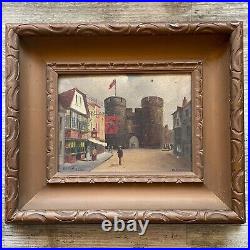
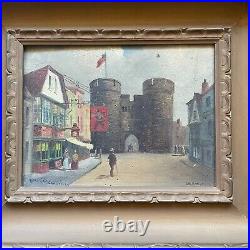
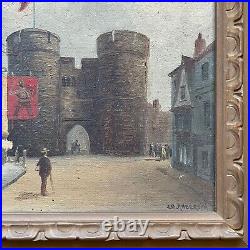
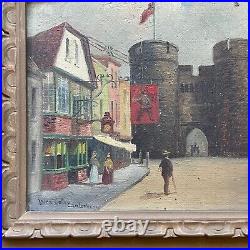
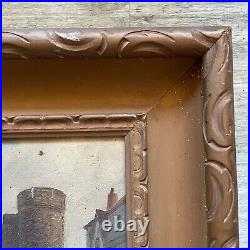
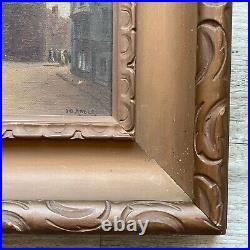
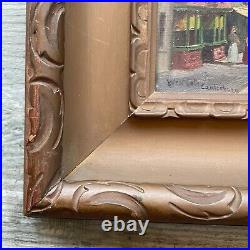
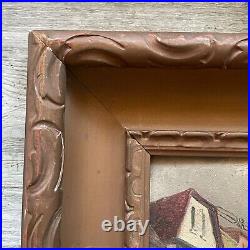
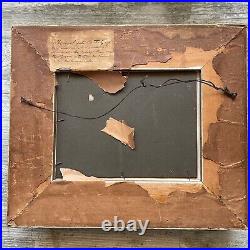
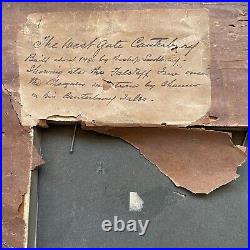
Step back in time with this charming early 20th-century oil painting by renowned British artist James Bell Anderson. This exquisite piece captures the historic West Gate of Canterbury, England, in Anderson’s signature atmospheric style. Title: “West Gate, Canterbury”. Medium: Oil on canvas. Size: 6″ by 8″ without frame, 12″ by 14″ with frame. This painting is in good vintage condition, consistent with its age and history. Here are the details. The board is intact with no tears or holes. The paint layer is stable with no significant flaking or loss. There is some minor craquelure (fine cracks in the paint), typical for oil paintings of this age. The colors are DARKER than they appear on the photographs. I was unable to take a photo which adequately shows the color. The frame is original and in good condition with some wear on the corners and edges. There are a few small spots and minor surface dirt, which add to its authentic vintage character. No signs of restoration or overpainting are visible. Overall, this painting has been well-preserved and displays beautifully, with its age-related imperfections adding to its charm and historical value. The painting beautifully depicts the medieval West Gate of Canterbury, with its imposing twin towers dominating the scene. Anderson’s skillful use of light and shadow brings the historic streetscape to life, showcasing quaint shops, period-dressed figures, and the bustling atmosphere of early 20th-century Canterbury. Born in Scotland, Anderson was known for his atmospheric depictions of British towns and landmarks. He exhibited regularly at the Royal Scottish Academy and the Royal Glasgow Institute of Fine Arts. Anderson’s works are prized for their historical value and artistic merit, offering a glimpse into the charm of pre-war Britain. This painting would make an excellent addition to any collection of British art or architectural studies. It’s a perfect conversation piece for history enthusiasts and anglophiles alike. Don’t miss this opportunity to own a piece of British artistic heritage. Add this James Bell Anderson original to your collection today! Note: Please examine all photos carefully and ask any questions before purchasing.
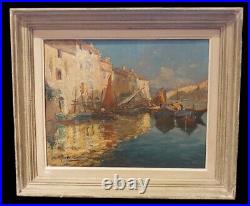
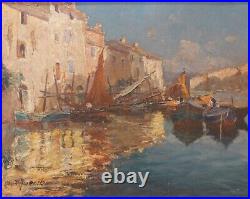
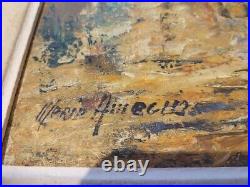
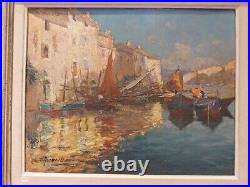
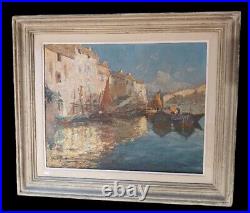
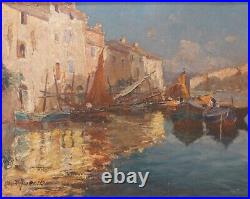
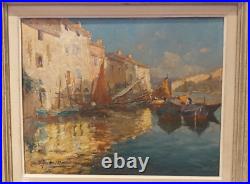
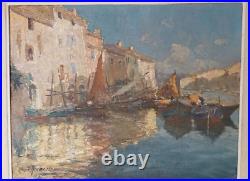
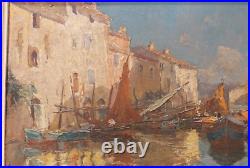
Welcome To My Store. Antique Painting Oil On Panel Merio Ameglio Port Martigues Boats Rare Old 20th. Dear Buyers & collectors, We are Pleased to offer you a Gorgeous Unique Antique Beautiful. Very beautiful art work jewelry. Material: Oil painting on wood. Height: 43,5 cm. View of boats moored at the port of Martigues. Nice pop of color. This painting perfectly represents the typical seascapes of the Mediterranean. 1 visible chip in the paint. Dimensions: with frame: 43.5 x 51 cm. At sight: 31.4 x 39 cm. Italian painter, engraver, lithographer and illustrator. Montmartre painter who is part of the School of Paris. He is mainly known for his landscapes, scenes of urban life and seascapes. Immerse yourself in the vibrant charm of the Mediterranean with “View of Martigues, ” an exquisite oil on panel painting by the talented Italian artist Merio Ameglio. Created during the 20th century, this captivating piece measures 51 cm in width and 43.5 cm in height, showcasing a picturesque scene of boats gently moored at the bustling port of Martigues. Ameglio, a distinguished member of the School of Paris and a celebrated painter, engraver, lithographer, and illustrator, masterfully captures the essence of coastal life. The painting is adorned with a delightful pop of color, bringing the serene seascape to life and inviting viewers to experience the tranquil beauty of the Mediterranean. Signed by the artist in the lower left corner, this artwork is in good condition, with only one visible chip in the paint, a testament to its age and history. The dimensions with the frame are 43.5 x 51 cm, while the sight dimensions are 31.4 x 39 cm, making it a perfect addition to any art collection or a stunning focal point in your home. Celebrate the legacy of Merio Ameglio and the enchanting allure of Martigues with this remarkable piece that beautifully encapsulates the spirit of Mediterranean seascapes. In good condition as on the photos. They look just gorgeous! Condition exactly as on the photo, please exam photos for details. This is lovley item own or to give as specail gift. Style: Louis Philippe, Charles 10th. 19th Century French School Saint Joseph. 19th century French School Saint Joseph Very beautiful oil on canvas mid 19th century Central and hole restorations (photos are authentic). This exquisite 19th Century French School painting of Saint Joseph, attributed to the artist Monogrammé, captures the essence of the Louis Philippe and Charles 10th styles of the period. Measuring 54 cm in width and 74 cm in height, this oil painting has been meticulously restored to its original glory. The artwork features a rare Christian religious theme, showcasing intricate details and a timeless aesthetic typical of the mid-19th century. With central and hole restorations authentically documented in photos, this antique piece is a true gem that adds a touch of history and elegance to any collection. Please view all photos alone with reading this description. If thers is anything I need to clarify, feel free to ask questions. I have other antique and vintage items for sale at the moment and shall be listing other over the following few days, so please keep checking my items for sale. This is a lovely item to own or to give as a special gift. This means they have the usual aspects of pre-owned jewellery. If there is a major dent, ding, flaw, or bend, it will be noted under the basic information. Please review all photos closely, since they are a large part of my item description. (all made with daylight, to show the colour as authentic as possible). I check myself each product and sell only the best quality products. In any case, if you are not satisfied with the product. Please contact me and I will do everything to your satisfaction. I accepted within 14 days, In its original packaging and on condition the item is its original condition as received. My customers are very important to me! Please, In case of any problem or question, please feel free to contact me and I will do everything. I can to make you be satisfied! In any case of problem contact me right away before leaving feedback so I will do my very best to resolve any problem. And to make you satisfied. Thank you for shopping.
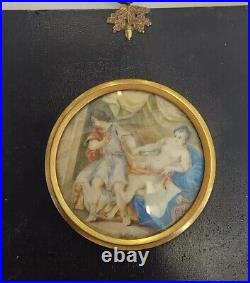
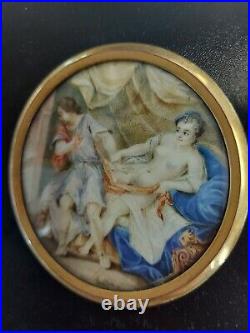
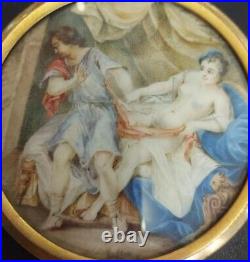
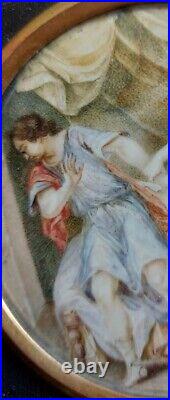
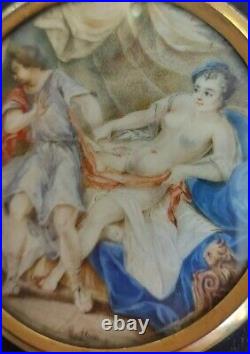
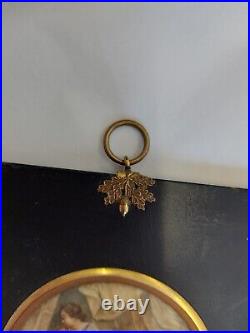
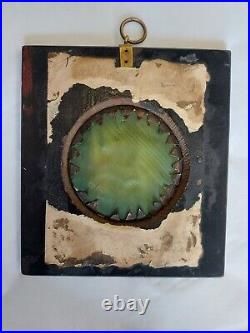
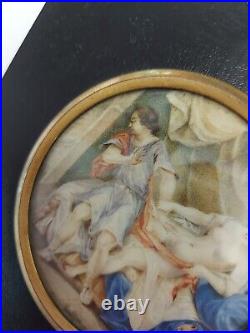
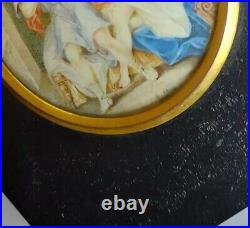
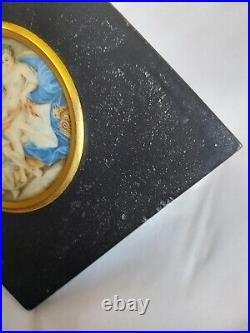
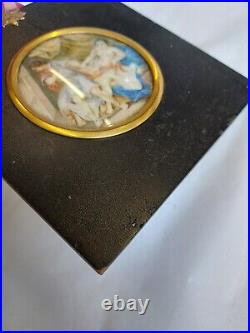
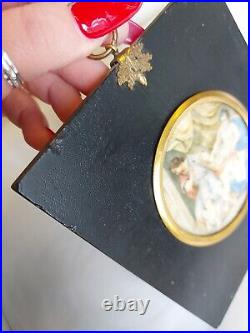
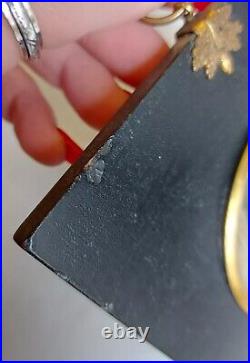
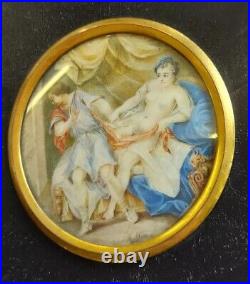
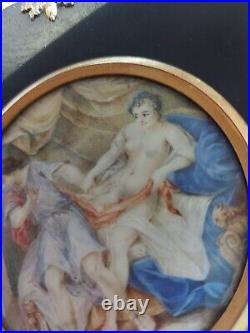
This small piece of art depicts a couple, featuring a woman and modest man in what can be described as a portrait with an erotic theme. The painting is done in gouache and made on paper with papier mache as its material. It is an original piece and comes framed. The painting, which is artistically done in the realism style, is in good condition for its age (see pics). The piece falls under the Art and Paintings category and is an ACEO, which is a miniature work of art. The item is a single piece and was created in France, the features of which are handmade. The frame is 13 cm by 14 cm. There are few of these and is a fantastic addition to anyone that collects early art work. Loading...X