
Tag: mesolithic

Very_Rare_Mesolithic_to_Early_Neolithic_Bone_Net_Making_Tool_Prehistoric_01_wr

Very Rare Mesolithic to Early Neolithic Bone Net Making Tool Prehistoric

Very Rare Mesolithic to Early Neolithic Bone Net Making Tool Prehistoric

Very Rare Mesolithic to Early Neolithic Bone Net Making Tool Prehistoric
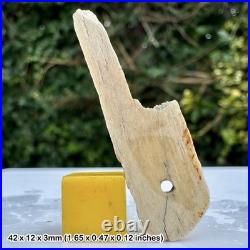
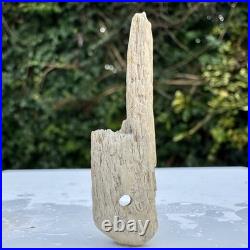
Very Rare Mesolithic to Early Neolithic Bone Net Making Tool – Prehistoric Fishing Artefact from Cromer Beach, Norfolk. This very rare Mesolithic to Early Neolithic bone net making tool is an authentic example of prehistoric ingenuity and craftsmanship, discovered on the Cromer Beach coastline in Norfolk, England. Crafted from animal bone over 6,000 years ago, this artefact represents an extraordinary survival from Britain’s ancient past-a tangible connection to the daily life and resourcefulness of early hunter-gatherer and farming communities. The photograph shows the exact specimen you will receive. All of our artefacts are 100% genuine specimens and come with a Certificate of Authenticity. Archaeological and Cultural Context. During this era, coastal and riverine resources were vital to survival. Fishing, shellfish gathering, and the construction of nets and traps were essential elements of prehistoric life along Britain’s waterways and shores. Bone tools such as this one were typically used in net making, weaving, and cord manipulation -vital technologies for constructing fishing nets and traps. These tools demonstrate not only the early development of fishing industries but also the sophisticated understanding of materials and tool use long before the advent of metalworking. The Cromer coast of Norfolk is renowned for its prehistoric heritage. Its eroding cliffs frequently reveal artefacts and fossils from ancient landscapes buried beneath layers of glacial and marine deposits. Finds from this region have included Mesolithic flints, animal bones, and wooden structures from submerged forests-making it one of Britain’s most important archaeological coastal sites. This particular bone tool was likely used by communities who lived near the ancient coastline, relying heavily on the sea for food and trade. Material Composition and Construction. This tool was carefully fashioned from animal bone, likely sourced from a large mammal such as red deer, aurochs, or wild cattle-species that were common in Mesolithic and Neolithic Britain. Bone was a favoured material for fine tools due to its durability, workability, and smooth finish once polished. The maker would have first shaped the bone blank through abrasion, grinding, and carving, gradually refining it to a slender, pointed, and smoothed form suitable for threading fibres. Under magnification, minute surface polish and wear marks are visible, consistent with contact against fibres or organic materials. The bone has developed a rich cream to honey-brown patina, a natural mineralisation process that occurs over millennia in coastal sediments. This colouring, along with its smooth texture, attests to its great age and authenticity. Function and Use in Prehistoric Life. Net making tools of this kind were indispensable in early fishing and trapping techniques. They were used to guide and tighten cords, repair netting, or form consistent loops in woven nets-crucial for creating durable fishing gear. Nets allowed Mesolithic and Neolithic communities to efficiently harvest fish and shellfish from rivers, lakes, and coastal shallows, providing a stable and renewable source of protein. In addition to fishing, similar tools were employed in textile production, basket weaving, and ropework, highlighting the multifunctional role of bone implements in prehistoric life. The creation of these tools required deep knowledge of both material properties and craftsmanship-skills passed down through generations within small, skilled communities. The transition from the Mesolithic to Neolithic marks a key moment in human history, where traditional hunting technologies like bone tools overlapped with newer agricultural and domestic innovations. This artefact embodies that pivotal moment, serving as both a tool of survival and a testament to the evolving ingenuity of early Britons. Recovered from Cromer Beach, Norfolk, this artefact originates from one of the most archaeologically significant coastal zones in Britain. The Cromer Forest Bed and nearby deposits have yielded numerous prehistoric remains, from mammoth bones to early human artefacts. The coastal sediments have preserved organic materials like bone exceptionally well, allowing remarkable objects such as this net-making tool to survive intact for millennia. Its discovery adds to our understanding of how early coastal peoples adapted to changing environments and harnessed natural resources with remarkable skill. As a Mesolithic-Neolithic transitional artefact, it bridges two defining periods of prehistory, representing one of the earliest forms of specialised fishing technology in Britain. Each artefact is authenticated and accompanied by a Certificate of Authenticity, confirming its identification, provenance, and cultural attribution. This is a museum-grade specimen of considerable rarity and educational value, ideal for collectors, historians, and anyone fascinated by the deep history of human craftsmanship. Artefact Type: Bone Net Making Tool. Cultural Period: Mesolithic to Early Neolithic c. Material: Animal Bone (likely Deer or Bovine origin). Function: Net making, weaving, or cordage tool for fishing. Origin: Cromer Beach, Norfolk, England. Condition: Excellent; polished surface with natural patina and visible wear. Authenticity: 100% genuine artefact – Certificate of Authenticity included.
Very Rare Mesolithic to Early Neolithic Bone Net Making Tool Prehistoric
Very_Rare_Mesolithic_to_Early_Neolithic_Fish_Shape_Stone_Tool_from_Red_Flint_01_nneh

Very Rare Mesolithic to Early Neolithic Fish Shape Stone Tool from Red Flint

Very Rare Mesolithic to Early Neolithic Fish Shape Stone Tool from Red Flint

Very Rare Mesolithic to Early Neolithic Fish Shape Stone Tool from Red Flint
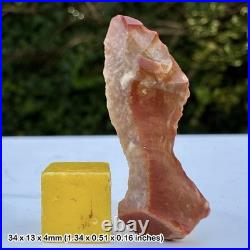
Very Rare Mesolithic to Early Neolithic Fish Shape Stone Tool – Red Flint Artefact from Cromer Beach, Norfolk. This very rare Mesolithic to Early Neolithic fish-shaped stone tool is an extraordinary and authentic prehistoric artefact discovered on Cromer Beach, Norfolk -one of Britain’s most significant archaeological coastlines. Hand-crafted from red flint over 6,000 years ago, it stands as a remarkable example of early human creativity and technological skill. The specimen’s unique shape and fine workmanship mark it as a rare and possibly symbolic tool from the transitional era between the Mesolithic and Neolithic periods. The photograph shows the exact artefact you will receive. All of our artefacts are 100% genuine specimens and come with a Certificate of Authenticity. Archaeological and Cultural Context. The Mesolithic saw hunter-gatherers adapting to post-glacial environments, while the Early Neolithic marked the emergence of farming, animal domestication, and more permanent settlements. Tools from this transitional era often combine practicality with artistry, reflecting both functional and symbolic purposes. The Cromer coast of Norfolk is world-renowned for its prehistoric heritage, with layers of ancient landscapes exposed along its cliffs and beaches. Artefacts recovered from the area-flint blades, scrapers, microliths, and other worked tools-provide vital evidence of continuous human occupation from the Ice Age onward. This particular piece, shaped from deep reddish-brown flint, was likely made by coastal or riverside communities who relied heavily on fishing and hunting for sustenance. Its fish-like form may have been intentionally designed, possibly symbolising the importance of marine life to early cultures in the region. Material Composition and Geological Origin. The artefact is fashioned from red flint, a variant of microcrystalline quartz (SiO?) formed naturally within Upper Cretaceous Chalk formations found across East Anglia. The distinctive reddish hue derives from iron oxide inclusions within the flint matrix, created through ancient geochemical processes in marine sediments. This rich colouration, combined with flint’s hardness and predictable fracture pattern, made red flint a prized material for early toolmaking. Flint was valued by prehistoric peoples for its sharpness, strength, and ability to hold a keen edge. It was collected from natural deposits along riverbeds and coastlines such as those at Cromer, where natural nodules eroded from the chalk cliffs provided an ideal source. This particular specimen displays a deep, warm patina-a smooth, weathered finish formed through mineralisation over thousands of years in the region’s chalky, iron-rich soils. Manufacture and Distinctive Features. This fish-shaped red flint tool was expertly crafted through flint-knapping, a process involving controlled strikes with a hammerstone or antler billet to shape and refine the stone. The maker skillfully removed flakes to form a symmetrical outline reminiscent of a fish’s body, tapering to a defined point and slightly rounded end. Distinct features of this artefact include. A clearly worked body with bilateral symmetry, suggesting intentional shaping. A smooth, curved “tail” section and tapering “head” edge, indicating both function and aesthetic consideration. Visible flake scars and ripples, typical of expertly knapped flint. A fine patina with iron-stained inclusions, providing the striking red coloration. Its shape suggests that it may have served a multi-functional purpose -potentially as a scraper, cutting implement, or symbolic object related to fishing or water. The craftsmanship required to create a piece of this refinement implies both technical mastery and cultural intent. Cultural and Symbolic Significance. Fish-shaped artefacts are exceptionally rare in the prehistoric record and are believed to hold cultural or ritual significance. The association between fish and sustenance, fertility, and water likely made such forms deeply meaningful within early societies. This artefact may have been used both practically and symbolically, embodying the connection between coastal communities and the sea that sustained them. In Mesolithic and Neolithic Britain, fishing was vital for survival, and tools associated with nets, hooks, and watercraft were central to daily life. The artistic shaping of a utilitarian object into the form of a fish could signify reverence toward this essential resource. Alternatively, it may have served as a personal or tribal totem, marking social identity or spiritual belief. This artefact was found on Cromer Beach, Norfolk, a region famous for prehistoric discoveries such as the Cromer Forest Bed fossils and Stone Age artefacts. The site’s unique combination of marine erosion and geological preservation provides unparalleled access to ancient materials. Professionally identified as a Mesolithic to Early Neolithic flint artefact, it has been authenticated and is consistent with typological examples from known prehistoric contexts. Its exceptional preservation, distinctive red coloration, and unusual fish-like shape make it an extremely rare and desirable addition to any collection of Stone Age artefacts. Each specimen is accompanied by a Certificate of Authenticity, verifying its age, provenance, and identification. This remarkable piece represents not only an extraordinary survival of early human craftsmanship but also a fascinating window into the artistry and symbolism of prehistoric life in coastal Britain. Artefact Type: Fish-Shaped Stone Tool. Cultural Period: Mesolithic to Early Neolithic c. Material: Red Flint (Iron Oxide-Rich Microcrystalline Quartz – SiO?). Function: Multi-purpose tool, scraper, or symbolic artefact. Origin: Cromer Beach, Norfolk, England. Condition: Excellent, with natural patina and clear worked edges. Authenticity: 100% genuine artefact – Certificate of Authenticity included.
Very Rare Mesolithic to Early Neolithic Fish Shape Stone Tool from Red Flint
Loading...
X