
Tag: flint

Very_Rare_Mesolithic_to_Early_Neolithic_Fish_Shape_Stone_Tool_from_Red_Flint_01_nneh

Very Rare Mesolithic to Early Neolithic Fish Shape Stone Tool from Red Flint

Very Rare Mesolithic to Early Neolithic Fish Shape Stone Tool from Red Flint

Very Rare Mesolithic to Early Neolithic Fish Shape Stone Tool from Red Flint
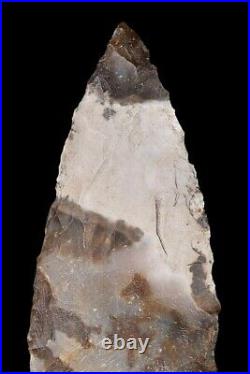
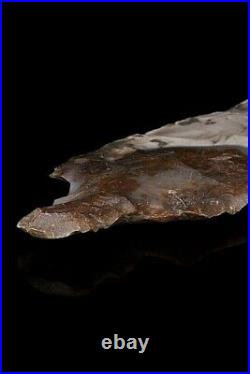
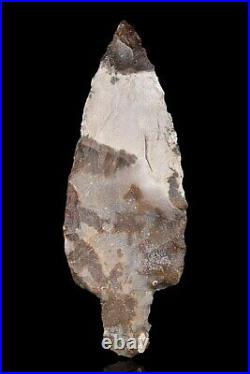
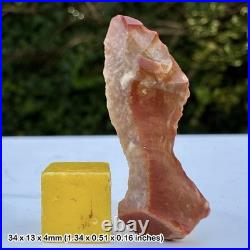
Very Rare Mesolithic to Early Neolithic Fish Shape Stone Tool – Red Flint Artefact from Cromer Beach, Norfolk. This very rare Mesolithic to Early Neolithic fish-shaped stone tool is an extraordinary and authentic prehistoric artefact discovered on Cromer Beach, Norfolk -one of Britain’s most significant archaeological coastlines. Hand-crafted from red flint over 6,000 years ago, it stands as a remarkable example of early human creativity and technological skill. The specimen’s unique shape and fine workmanship mark it as a rare and possibly symbolic tool from the transitional era between the Mesolithic and Neolithic periods. The photograph shows the exact artefact you will receive. All of our artefacts are 100% genuine specimens and come with a Certificate of Authenticity. Archaeological and Cultural Context. The Mesolithic saw hunter-gatherers adapting to post-glacial environments, while the Early Neolithic marked the emergence of farming, animal domestication, and more permanent settlements. Tools from this transitional era often combine practicality with artistry, reflecting both functional and symbolic purposes. The Cromer coast of Norfolk is world-renowned for its prehistoric heritage, with layers of ancient landscapes exposed along its cliffs and beaches. Artefacts recovered from the area-flint blades, scrapers, microliths, and other worked tools-provide vital evidence of continuous human occupation from the Ice Age onward. This particular piece, shaped from deep reddish-brown flint, was likely made by coastal or riverside communities who relied heavily on fishing and hunting for sustenance. Its fish-like form may have been intentionally designed, possibly symbolising the importance of marine life to early cultures in the region. Material Composition and Geological Origin. The artefact is fashioned from red flint, a variant of microcrystalline quartz (SiO?) formed naturally within Upper Cretaceous Chalk formations found across East Anglia. The distinctive reddish hue derives from iron oxide inclusions within the flint matrix, created through ancient geochemical processes in marine sediments. This rich colouration, combined with flint’s hardness and predictable fracture pattern, made red flint a prized material for early toolmaking. Flint was valued by prehistoric peoples for its sharpness, strength, and ability to hold a keen edge. It was collected from natural deposits along riverbeds and coastlines such as those at Cromer, where natural nodules eroded from the chalk cliffs provided an ideal source. This particular specimen displays a deep, warm patina-a smooth, weathered finish formed through mineralisation over thousands of years in the region’s chalky, iron-rich soils. Manufacture and Distinctive Features. This fish-shaped red flint tool was expertly crafted through flint-knapping, a process involving controlled strikes with a hammerstone or antler billet to shape and refine the stone. The maker skillfully removed flakes to form a symmetrical outline reminiscent of a fish’s body, tapering to a defined point and slightly rounded end. Distinct features of this artefact include. A clearly worked body with bilateral symmetry, suggesting intentional shaping. A smooth, curved “tail” section and tapering “head” edge, indicating both function and aesthetic consideration. Visible flake scars and ripples, typical of expertly knapped flint. A fine patina with iron-stained inclusions, providing the striking red coloration. Its shape suggests that it may have served a multi-functional purpose -potentially as a scraper, cutting implement, or symbolic object related to fishing or water. The craftsmanship required to create a piece of this refinement implies both technical mastery and cultural intent. Cultural and Symbolic Significance. Fish-shaped artefacts are exceptionally rare in the prehistoric record and are believed to hold cultural or ritual significance. The association between fish and sustenance, fertility, and water likely made such forms deeply meaningful within early societies. This artefact may have been used both practically and symbolically, embodying the connection between coastal communities and the sea that sustained them. In Mesolithic and Neolithic Britain, fishing was vital for survival, and tools associated with nets, hooks, and watercraft were central to daily life. The artistic shaping of a utilitarian object into the form of a fish could signify reverence toward this essential resource. Alternatively, it may have served as a personal or tribal totem, marking social identity or spiritual belief. This artefact was found on Cromer Beach, Norfolk, a region famous for prehistoric discoveries such as the Cromer Forest Bed fossils and Stone Age artefacts. The site’s unique combination of marine erosion and geological preservation provides unparalleled access to ancient materials. Professionally identified as a Mesolithic to Early Neolithic flint artefact, it has been authenticated and is consistent with typological examples from known prehistoric contexts. Its exceptional preservation, distinctive red coloration, and unusual fish-like shape make it an extremely rare and desirable addition to any collection of Stone Age artefacts. Each specimen is accompanied by a Certificate of Authenticity, verifying its age, provenance, and identification. This remarkable piece represents not only an extraordinary survival of early human craftsmanship but also a fascinating window into the artistry and symbolism of prehistoric life in coastal Britain. Artefact Type: Fish-Shaped Stone Tool. Cultural Period: Mesolithic to Early Neolithic c. Material: Red Flint (Iron Oxide-Rich Microcrystalline Quartz – SiO?). Function: Multi-purpose tool, scraper, or symbolic artefact. Origin: Cromer Beach, Norfolk, England. Condition: Excellent, with natural patina and clear worked edges. Authenticity: 100% genuine artefact – Certificate of Authenticity included.
Very Rare Mesolithic to Early Neolithic Fish Shape Stone Tool from Red Flint
Antique_Rare_Dog_figurative_Flint_Old_Strike_To_Fire_Early_Metal_Ware_G19_83_01_lznb

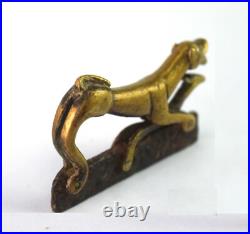
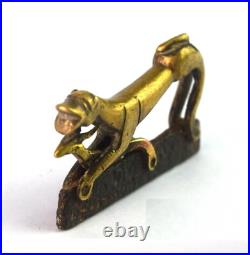
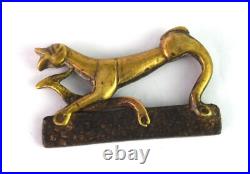
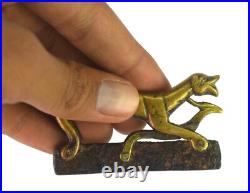
Antique Rare Dog figurative Flint Old Strike To Fire Early Metal Ware G19-83

Antique Rare Dog figurative Flint Old Strike To Fire Early Metal Ware G19-83

Antique Rare Dog figurative Flint Old Strike To Fire Early Metal Ware G19-83
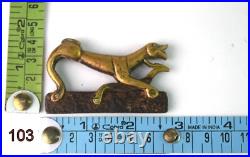
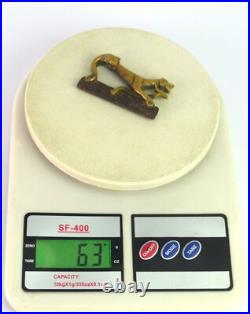
Antique Rare Dog figurative Flint Old Strike To Fire Early Metal Ware G19-83. This product data sheet is originally written in English. Welcome to Global Art Antiques. Very Unique Dog Shape Hand-Forged Strike To Fire Original Rare To Find Very Beautiful Style Antique Old Early Heavy Duty Metal Ware. What Is Flint Fire Strike? When Struck Against Steel\Iron, Flint Edge Will Produce Sparks. The Hard Flint Edge Shaves Off A Particle Of The Steel That Exposes Iron Which Reacts With Oxygen From The Atmosphere And Can Ignite The Proper Tinder. Great Piece To use!! Beautiful Décor, Personal Gifting. Beautiful Art Piece In Nice Decorative Shape. Ready To Be Part Of Your Collection. Treat For Vintage Art Lovers. Please Check Our Other Items Also!! New Items Being Listed Daily In Our Page!! 6.5 X 1 X 4 (L X B X H) Cms Approx. 2.5 X 0.4 X 1.5 (L X B X H) Inches Approx. 0.138 Lbs (Pounds) Approx. Note: We Provide Weight And Size In Digital Photos Also; Photos Are Major Part Of The Listing, So Please See All Images Carefully. Please contact me before you return it. Please do not leave a negative or neutral feedback or open case without the communication, because we will do our best to solve the problem for you. The Hard Flint Edge Shaves Off A Particle Of The Steel That Exposes Iron Which Reacts With Oxygen From The Atmosphere And Can Ignite The Proper Tinder Great Piece To use!! 6.5 X 1 X 4 (L X B X H) Cms.
Antique Rare Dog figurative Flint Old Strike To Fire Early Metal Ware G19-83
Pair_of_Rare_Antique_Early_American_Pattern_flint_Glass_EAPG_Goblets_Cardinal_01_tepk

Pair of Rare Antique Early American Pattern flint Glass (EAPG) Goblets Cardinal

Pair of Rare Antique Early American Pattern flint Glass (EAPG) Goblets Cardinal

Pair of Rare Antique Early American Pattern flint Glass (EAPG) Goblets Cardinal
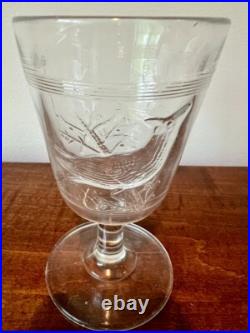
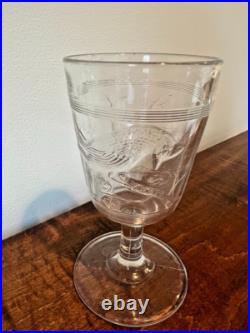
A pair of Rare Antique Early American Pattern flint Glass (EAPG) Goblets, featuring the distinctive Cardinal design. Crafted from clear flint glass. With the timeless charm of intricate patterns and classic silhouette, the goblet is a remarkable find for collectors and enthusiasts of antique glassware. Enjoy the beauty and craftsmanship of a bygone era with this Cardinal EAPG goblet.
Pair of Rare Antique Early American Pattern flint Glass (EAPG) Goblets Cardinal
Rare_Complete_Antique_18th_C_Brass_Tinder_Box_Striker_Flint_Early_American_01_ocx

Rare! Complete! Antique 18th C Brass Tinder Box Striker Flint Early American

Rare! Complete! Antique 18th C Brass Tinder Box Striker Flint Early American

Rare! Complete! Antique 18th C Brass Tinder Box Striker Flint Early American
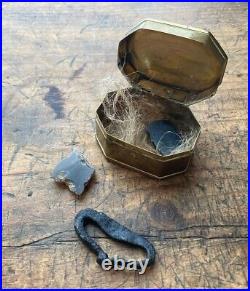
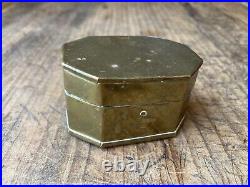
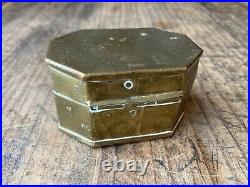
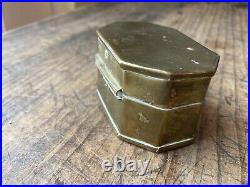
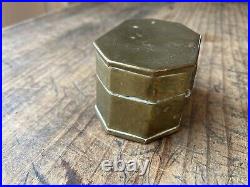
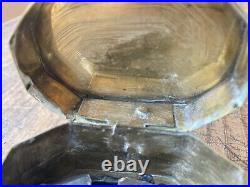
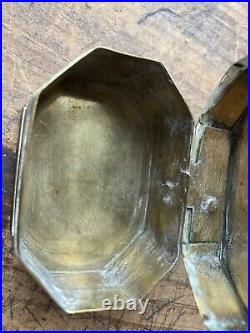
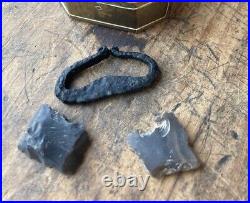
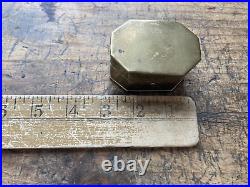
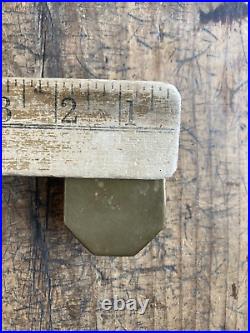
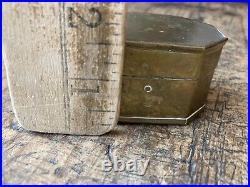
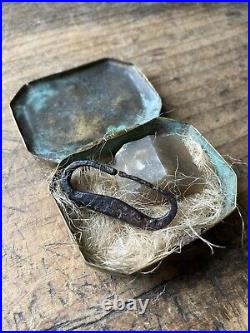
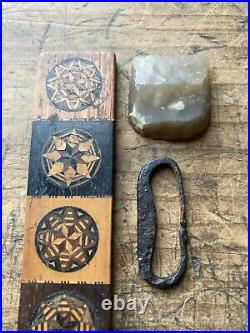
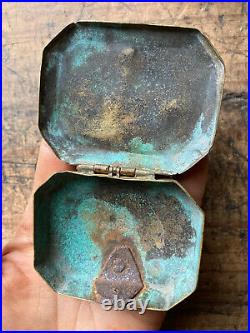
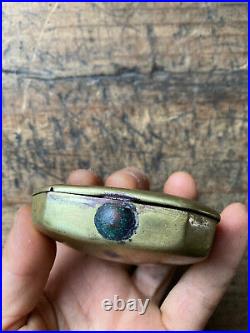
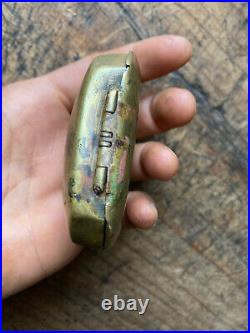
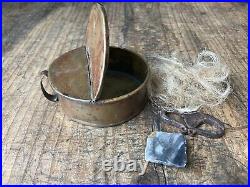
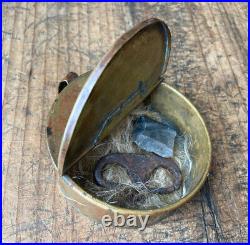
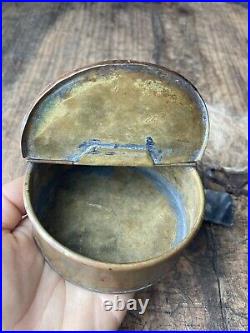
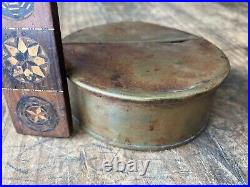
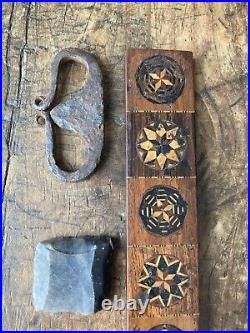
For sale is a RARE early American antique tinder box with its complete assembly of fire starting tools (2 flint rocks, an iron striker, and some tinder fiber). The box was hand hammered and formed with brass by highly skilled metal smith in the 1700s. This tinder box is a essential tool carried by colonial American pioneers to kindle fire in the wilderness and to start a fire for a primitive hearth. This particular box is in octagon form. It measures approximately 3″ by 2″, 1.5 thick. The lid shuts properly with all content inside. Nice The hinge is sturdy. Feel free to check out my other antique and collectible listings.
Rare! Complete! Antique 18th C Brass Tinder Box Striker Flint Early American
Rare_1850s_Early_Antique_Rooster_Pressed_Glass_Tumbler_3_Mold_Flint_Glass_01_ffb

Rare 1850s Early Antique Rooster Pressed Glass Tumbler 3-Mold Flint Glass

Rare 1850s Early Antique Rooster Pressed Glass Tumbler 3-Mold Flint Glass

Rare 1850s Early Antique Rooster Pressed Glass Tumbler 3-Mold Flint Glass
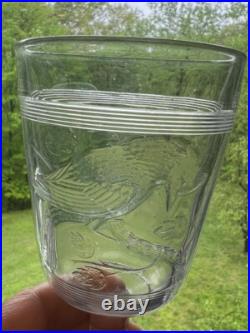
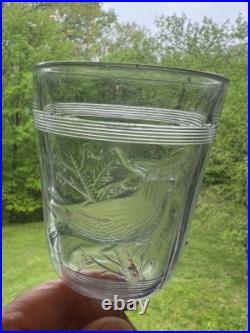
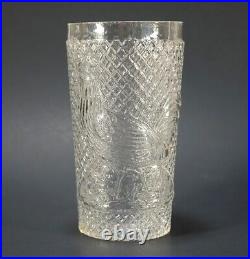
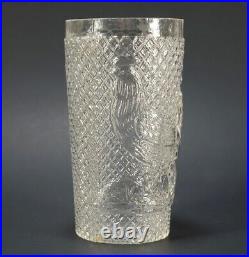
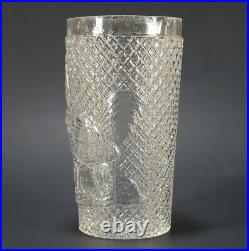
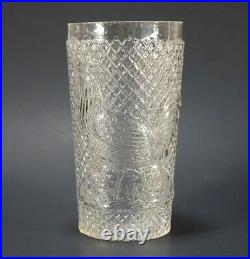
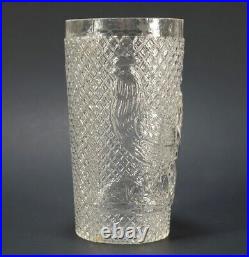
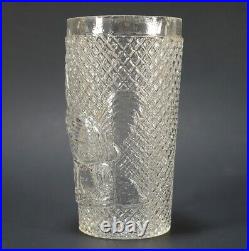
This is a very rare early glass tumbler that from my best research dates around the 1850s. It is a 3-mold pressed glass with a diamond or crosshatch pattern and a large rooster. When you hold the glass to the light, you can see many bubbles and imperfections. From what I was told, the glass would have been put into a mold and then the top edge would have been ground down flat. The edge is all original and has the typical ground technique that they used so much. Most likely this is what is considered flint glass. It is extremely light and fragile and almost hard to believe that it survived almost 170 years and has no cracks or chips. It is in amazing condition. There are some very fine flake chips on the top edge but this is most likely from when it was ground. It measures 4-3/8″ tall with an opening diameter of 2.25″ and bottom diameter of 1-7/8. A truly rare and early glass tumbler. This came out of a very old estate in Manheim, PA, which is in the same area as the famous Stiegel glass workshop. I have no idea who made this because I cannot find another anywhere and I have searched quite a bit. Please ask if you have any questions. Old antique vintage retro american history historic us usa united states of america collectibles memorabilia glassware kitchen drinking early american beverage chicken folk art primitive colonial founders pennsylvania bird animal child children jug juice container 1840s 1860s rare glass.


Rare 1850s Early Antique Rooster Pressed Glass Tumbler 3-Mold Flint Glass
Rare_1850s_Early_Antique_Rooster_Pressed_Glass_Tumbler_3_Mold_Flint_Glass_01_xy

Rare 1850s Early Antique Rooster Pressed Glass Tumbler 3-Mold Flint Glass

Rare 1850s Early Antique Rooster Pressed Glass Tumbler 3-Mold Flint Glass

Rare 1850s Early Antique Rooster Pressed Glass Tumbler 3-Mold Flint Glass
This is a very rare early glass tumbler that from my best research dates around the 1850s. It is a 3-mold pressed glass with a diamond or crosshatch pattern and a large rooster. When you hold the glass to the light, you can see many bubbles and imperfections. From what I was told, the glass would have been put into a mold and then the top edge would have been ground down flat. The edge is all original and has the typical ground technique that they used so much. Most likely this is what is considered flint glass. It is extremely light and fragile and almost hard to believe that it survived almost 170 years and has no cracks or chips. It is in amazing condition. There are some very fine flake chips on the top edge but this is most likely from when it was ground. It measures 4-3/8″ tall with an opening diameter of 2.25″ and bottom diameter of 1-7/8. A truly rare and early glass tumbler. This came out of a very old estate in Manheim, PA, which is in the same area as the famous Stiegel glass workshop. I have no idea who made this because I cannot find another anywhere and I have searched quite a bit. Please ask if you have any questions. Old antique vintage retro american history historic us usa united states of america collectibles memorabilia glassware kitchen drinking early american beverage chicken folk art primitive colonial founders pennsylvania bird animal child children jug juice container 1840s 1860s rare glass.
Rare 1850s Early Antique Rooster Pressed Glass Tumbler 3-Mold Flint Glass
Rare_Complete_Antique_18th_C_Brass_Tinder_Box_Striker_Flint_Early_American_01_jzt

Rare! Complete! Antique 18th C Brass Tinder Box Striker Flint Early American

Rare! Complete! Antique 18th C Brass Tinder Box Striker Flint Early American

Rare! Complete! Antique 18th C Brass Tinder Box Striker Flint Early American
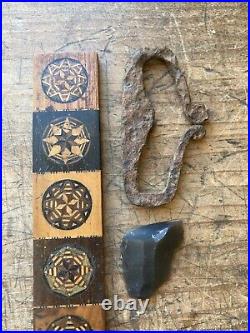
For sale is a RARE early American antique tinder box with its complete assembly of fire starting tools (a flint rock, a iron striker, and some tinder fiber). The box was hand hammered and formed with brass by highly skilled metal smith in the 1700s. This tinder box is a essential tool carried by colonial American pioneers to kindle fire in the wilderness and to start a fire for a primitive hearth. This particular box is in octagon form with domed sides. It measures approximately 2.5″ by 2″, 1.25 thick. The lid snaps shut properly with all content inside. Nice original wrought iron lock mechanism can be observed in the interior. The hinge is sturdy. The Initials “J B” are lightly scratched on the lid. Overall, a rare example of colonial American pioneer’s tinder box that should not be passed by any serious collectors of early Americana /colonial tools/ wrought iron antiquities. Some imperfection but certainly authentic! Feel free to check out my other antique and collectible listings.
Rare! Complete! Antique 18th C Brass Tinder Box Striker Flint Early American
Rare_Complete_Antique_18th_C_Tinder_Box_Striker_Flint_Early_American_01_qeu

Rare! Complete! Antique 18th C Tinder Box Striker Flint Early American

Rare! Complete! Antique 18th C Tinder Box Striker Flint Early American

Rare! Complete! Antique 18th C Tinder Box Striker Flint Early American
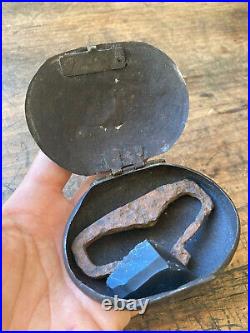
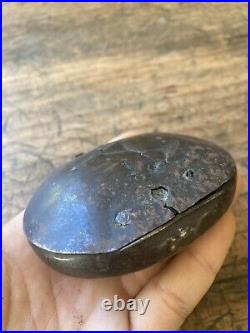
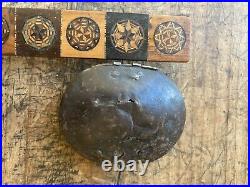
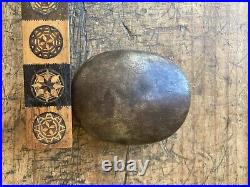
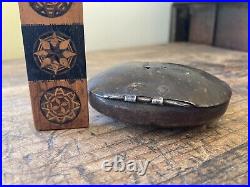
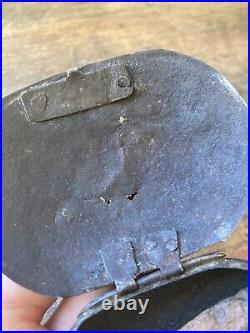
For sale is a RARE early American antique tinder box with its complete assembly of fire starting tools (a flint rock, a iron striker, and some tinder fiber). The box was hand hammered and formed with wrought iron by highly skilled blacksmith in the 1700s. This tinder box is a essential tool carried by colonial American pioneers to kindle fire in the wilderness and to start a fire for a primitive hearth. This particular box is in round form with domed sides. It measures approximately 3″ by 2.5″, 1.25 thick. The lid snaps shut properly with all content inside. The hinge is sturdy. There are two small holes on the lid and some metal wrinkles around. Did a bullet bounced off it and saves the owner’s life? We will never know. Overall, a rare example of colonial American pioneer’s tinder box that should not be passed by any serious collectors of early Americana /colonial tools/ wrought iron antiquities. Some imperfection but certainly authentic! Feel free to check out my other antique and collectible listings.
Rare! Complete! Antique 18th C Tinder Box Striker Flint Early American
Rare_Antique_18th_C_Brass_Tinder_Box_Striker_Flint_Candle_Holder_Early_Lighting_01_jjgm

Rare! Antique 18th C Brass Tinder Box Striker Flint Candle Holder Early Lighting

Rare! Antique 18th C Brass Tinder Box Striker Flint Candle Holder Early Lighting

Rare! Antique 18th C Brass Tinder Box Striker Flint Candle Holder Early Lighting
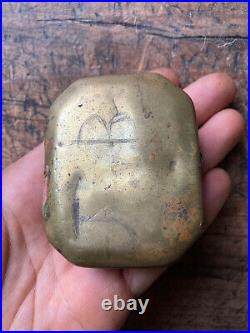
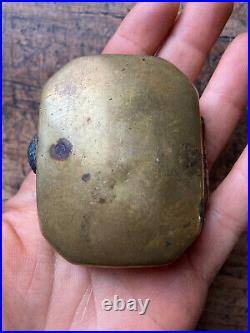
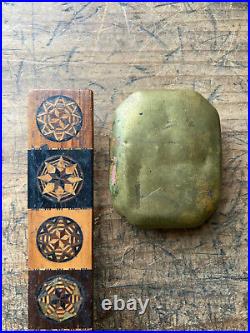
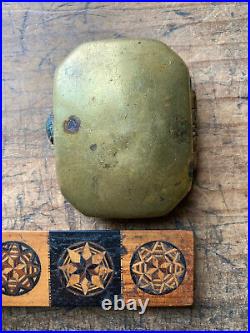
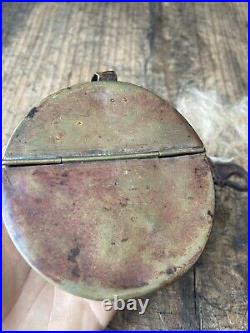
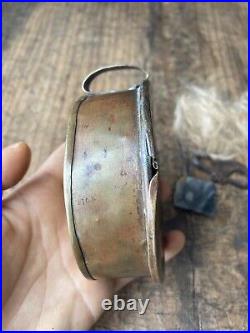
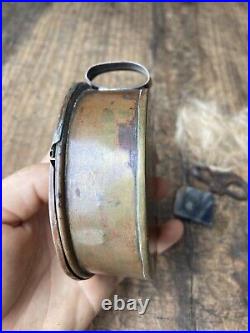
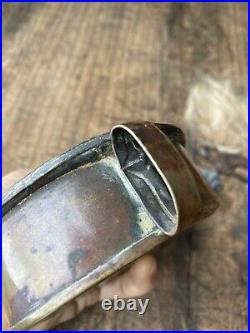
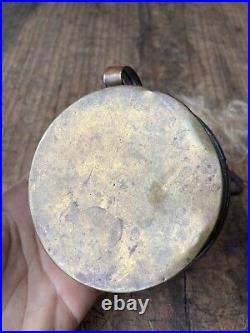
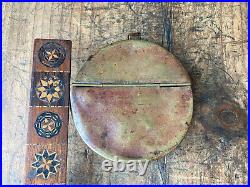
For sale is a RARE early antique tinder box with its complete assembly of fire starting tools (, a wrought iron striker, a piece of flint rock, and some tinder fiber). The box is made out of brass with a hinged lid and a flat finger loop, very solid and well made. Good old brass patina throughout. The box measures about 3.5″ in diameter and 1.25″ tall. The lid opens and shuts properly with all content inside. The iron striker measures about 2 long. It is in the classical bow form with two nicely curled tails. There are clearly visible early hammering and folding signs. Perfectly darkened iron surface and great antique patina. Along with a flint rock and some old tinder material, this assembly of fire starting tools is an essential early lighting device for colonial American home and pioneer travelers alike. You can see how it is used in the Jeremiah Johnson movie. Please feel free to check out my other antique and collectible listings.
Rare! Antique 18th C Brass Tinder Box Striker Flint Candle Holder Early Lighting
Very_Rare_9000_BC_Approx_Flint_Spearhead_By_Early_Homo_Sapiens_Museum_Quality_01_mod

Very Rare 9000 BC (Approx) Flint Spearhead By Early Homo Sapiens Museum Quality

Very Rare 9000 BC (Approx) Flint Spearhead By Early Homo Sapiens Museum Quality

Very Rare 9000 BC (Approx) Flint Spearhead By Early Homo Sapiens Museum Quality
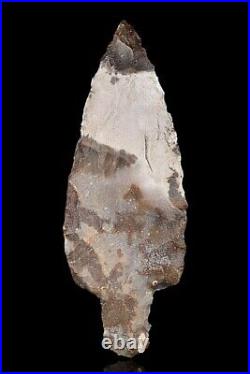
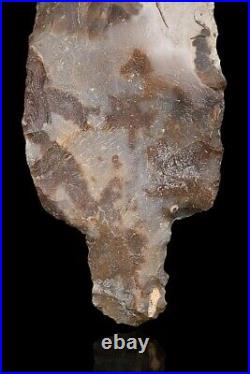
Flint Spearhead Formed By Early Homo Sapiens Museum Quality. Spearhead formed of flint formed by early modern man (Homo Sapiens) between 11000 years ago. Some of these very rare finely made arrow and spearheads, such as this example, have been found in a few sites as old as 11,000 years, usually associated with rare semi-intact burial sites from this period of the Stone Age, i. Grave-Goods’ or as offerings to some deity in order to attain good hunting in that particular area they were in. This is an exceptionally rare’offering’ or grave item, which never appears to have been used, as such is extremely sort after, very rare and is of Museum quality as a near perfect example of a flint spearhead from the early establishment of our ancient ancestors, Homo Sapiens. Size: Length is 105mm and Width is 40mm, being 35g. Originally found as part of an official and authorised archaeological dig, a grave item thought to be an offering to ensure good hunting for the dead in his’after-life’. Location of the’dig’ was on the border between the Netherlands & Germany. Formed part of a very large private collection; previously bought by Dolf Aaij, a highly respected collector/expert of such items, acquiring it from a gallery of ancient art in Amsterdam, 2005. How They Made Such Beautiful Spearheads. The prehistoric craftsmen removed small pieces of rock or flakes from the core using a technique called percussion flaking. This involved striking a portion of the core with a stone hammer. To make more elaborate tools such as arrow heads or spear points, the tool-maker had to do additional shaping and thinning. When the approximate shape was obtained, the final stage of thinning the point and sharpening the edges was accomplished by another technique known as pressure flaking. Here, small and thin flakes were pushed off the edges of the tool with an antler or bone punch. This technique required both skill and physical strength. The pictures do not do it justice at all, but are important to show the condition. Please be patient, we promise to get your item to you as soon as humanly possible. I cannot guarantee when this will be but it will be as soon as we can under the current circumstances & restrictions. This item is in the category “Antiques\Ethnographic Antiques\Other Ethnographic Antiques”. The seller is “curiouscatcollectables” and is located in this country: GB. This item can be shipped to United Kingdom, Austria, Belgium, Bulgaria, Croatia, Republic of, Cyprus, Czech Republic, Denmark, Estonia, Finland, France, Germany, Greece, Hungary, Ireland, Italy, Latvia, Lithuania, Luxembourg, Malta, Netherlands, Poland, Portugal, Romania, Slovakia, Slovenia, Spain, Sweden, Australia, United States, Bahrain, Canada, Japan, New Zealand, Israel, Hong Kong, Norway, Indonesia, Malaysia, Mexico, Singapore, Korea, South, Taiwan, Bangladesh, Bermuda, Bolivia, Barbados, Brunei Darussalam, Cayman Islands, Ecuador, Egypt, Guernsey, Gibraltar, Guadeloupe, French Guiana, Iceland, Jersey, Jordan, Cambodia, Liechtenstein, Sri Lanka, Macau, Monaco, Maldives, Martinique, Nicaragua, Oman, Pakistan, Peru, Paraguay, Reunion, Saudi Arabia, South Africa, United Arab Emirates, Chile, Bahamas, Colombia, Costa Rica, Guatemala, Honduras, Jamaica, Kuwait, Panama, Philippines, Qatar, Trinidad and Tobago, Uruguay, Vietnam.
  • Age #1: 9000 Years B.C.
  • Age #2: 11 Thousand Years Old
  • Era: Stone Age
  • Region of Origin: Europe
  • Made by:: Early European Homo Sapiens
  • Product: Antiquarian Spearhead
  • Age: Pre-1800
  • Primary Material: Flint
  • Original/ Repro: Original

Very Rare 9000 BC (Approx) Flint Spearhead By Early Homo Sapiens Museum Quality
Loading...
X